Home Upload Photo Upload Videos Write a Blog Analytics Messaging Streaming Create Adverts Creators Program
Bebuzee Afghanistan Bebuzee Albania Bebuzee Algeria Bebuzee Andorra Bebuzee Angola Bebuzee Antigua and Barbuda Bebuzee Argentina Bebuzee Armenia Bebuzee Australia Bebuzee Austria Bebuzee Azerbaijan Bebuzee Bahamas Bebuzee Bahrain Bebuzee Bangladesh Bebuzee Barbados Bebuzee Belarus Bebuzee Belgium Bebuzee Belize Bebuzee Benin Bebuzee Bhutan Bebuzee Bolivia Bebuzee Bosnia and Herzegovina Bebuzee Botswana Bebuzee Brazil Bebuzee Brunei Bebuzee Bulgaria Bebuzee Burkina Faso Bebuzee Burundi Bebuzee Cabo Verde Bebuzee Cambodia Bebuzee Cameroon Bebuzee Canada Bebuzee Central African Republic Bebuzee Chad Bebuzee Chile Bebuzee China Bebuzee Colombia Bebuzee Comoros Bebuzee Costa Rica Bebuzee Côte d'Ivoire Bebuzee Croatia Bebuzee Cuba Bebuzee Cyprus Bebuzee Czech Republic Bebuzee Democratic Republic of the Congo Bebuzee Denmark Bebuzee Djibouti Bebuzee Dominica Bebuzee Dominican Republic Bebuzee Ecuador Bebuzee Egypt Bebuzee El Salvador Bebuzee Equatorial Guinea Bebuzee Eritrea Bebuzee Estonia Bebuzee Eswatini Bebuzee Ethiopia Bebuzee Fiji Bebuzee Finland Bebuzee France Bebuzee Gabon Bebuzee Gambia Bebuzee Georgia Bebuzee Germany Bebuzee Ghana Bebuzee Greece Bebuzee Grenada Bebuzee Guatemala Bebuzee Guinea Bebuzee Guinea-Bissau Bebuzee Guyana Bebuzee Haiti Bebuzee Honduras Bebuzee Hong Kong Bebuzee Hungary Bebuzee Iceland Bebuzee India Bebuzee Indonesia Bebuzee Iran Bebuzee Iraq Bebuzee Ireland Bebuzee Israel Bebuzee Italy Bebuzee Jamaica Bebuzee Japan Bebuzee Jordan Bebuzee Kazakhstan Bebuzee Kenya Bebuzee Kiribati Bebuzee Kuwait Bebuzee Kyrgyzstan Bebuzee Laos Bebuzee Latvia Bebuzee Lebanon Bebuzee Lesotho Bebuzee Liberia Bebuzee Libya Bebuzee Liechtenstein Bebuzee Lithuania Bebuzee Luxembourg Bebuzee Madagascar Bebuzee Malawi Bebuzee Malaysia Bebuzee Maldives Bebuzee Mali Bebuzee Malta Bebuzee Marshall Islands Bebuzee Mauritania Bebuzee Mauritius Bebuzee Mexico Bebuzee Micronesia Bebuzee Moldova Bebuzee Monaco Bebuzee Mongolia Bebuzee Montenegro Bebuzee Morocco Bebuzee Mozambique Bebuzee Myanmar Bebuzee Namibia Bebuzee Nauru Bebuzee Nepal Bebuzee Netherlands Bebuzee New Zealand Bebuzee Nicaragua Bebuzee Niger Bebuzee Nigeria Bebuzee North Korea Bebuzee North Macedonia Bebuzee Norway Bebuzee Oman Bebuzee Pakistan Bebuzee Palau Bebuzee Panama Bebuzee Papua New Guinea Bebuzee Paraguay Bebuzee Peru Bebuzee Philippines Bebuzee Poland Bebuzee Portugal Bebuzee Qatar Bebuzee Republic of the Congo Bebuzee Romania Bebuzee Russia Bebuzee Rwanda Bebuzee Saint Kitts and Nevis Bebuzee Saint Lucia Bebuzee Saint Vincent and the Grenadines Bebuzee Samoa Bebuzee San Marino Bebuzee São Tomé and Príncipe Bebuzee Saudi Arabia Bebuzee Senegal Bebuzee Serbia Bebuzee Seychelles Bebuzee Sierra Leone Bebuzee Singapore Bebuzee Slovakia Bebuzee Slovenia Bebuzee Solomon Islands Bebuzee Somalia Bebuzee South Africa Bebuzee South Korea Bebuzee South Sudan Bebuzee Spain Bebuzee Sri Lanka Bebuzee Sudan Bebuzee Suriname Bebuzee Sweden Bebuzee Switzerland Bebuzee Syria Bebuzee Taiwan Bebuzee Tajikistan Bebuzee Tanzania Bebuzee Thailand Bebuzee Timor-Leste Bebuzee Togo Bebuzee Tonga Bebuzee Trinidad and Tobago Bebuzee Tunisia Bebuzee Turkey Bebuzee Turkmenistan Bebuzee Tuvalu Bebuzee Uganda Bebuzee Ukraine Bebuzee United Arab Emirates Bebuzee United Kingdom Bebuzee Uruguay Bebuzee Uzbekistan Bebuzee Vanuatu Bebuzee Venezuela Bebuzee Vietnam Bebuzee World Wide Bebuzee Yemen Bebuzee Zambia Bebuzee Zimbabwe
Blog Image

Japan's 1st-quarter GDP shrinks, hit by COVID restrictions, higher prices

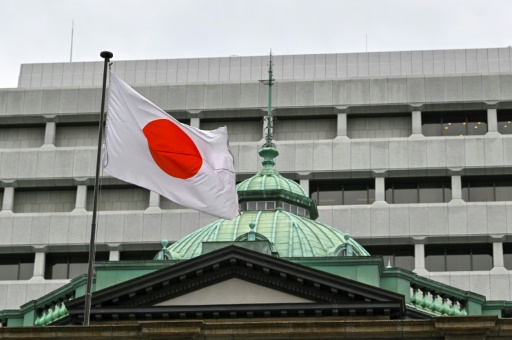
Japan's economy shrank slightly in the first quarter of 2022, official data showed Wednesday, hit by COVID-19 restrictions and higher prices.

Japan's economy shrank slightly in the first quarter of 2022, official data showed Wednesday, hit by COVID-19 restrictions and higher prices.

The world's third-largest economy shrank 0.2 percent quarter-on-quarter in the January-March period, slightly less than the market expectations of a 0.4 percent contraction.

It followed a modest rebound in the final three months of 2021 that proved short-lived after Japan put COVID restrictions in place as an outbreak fueled by the Omicron coronavirus variant took hold in January.

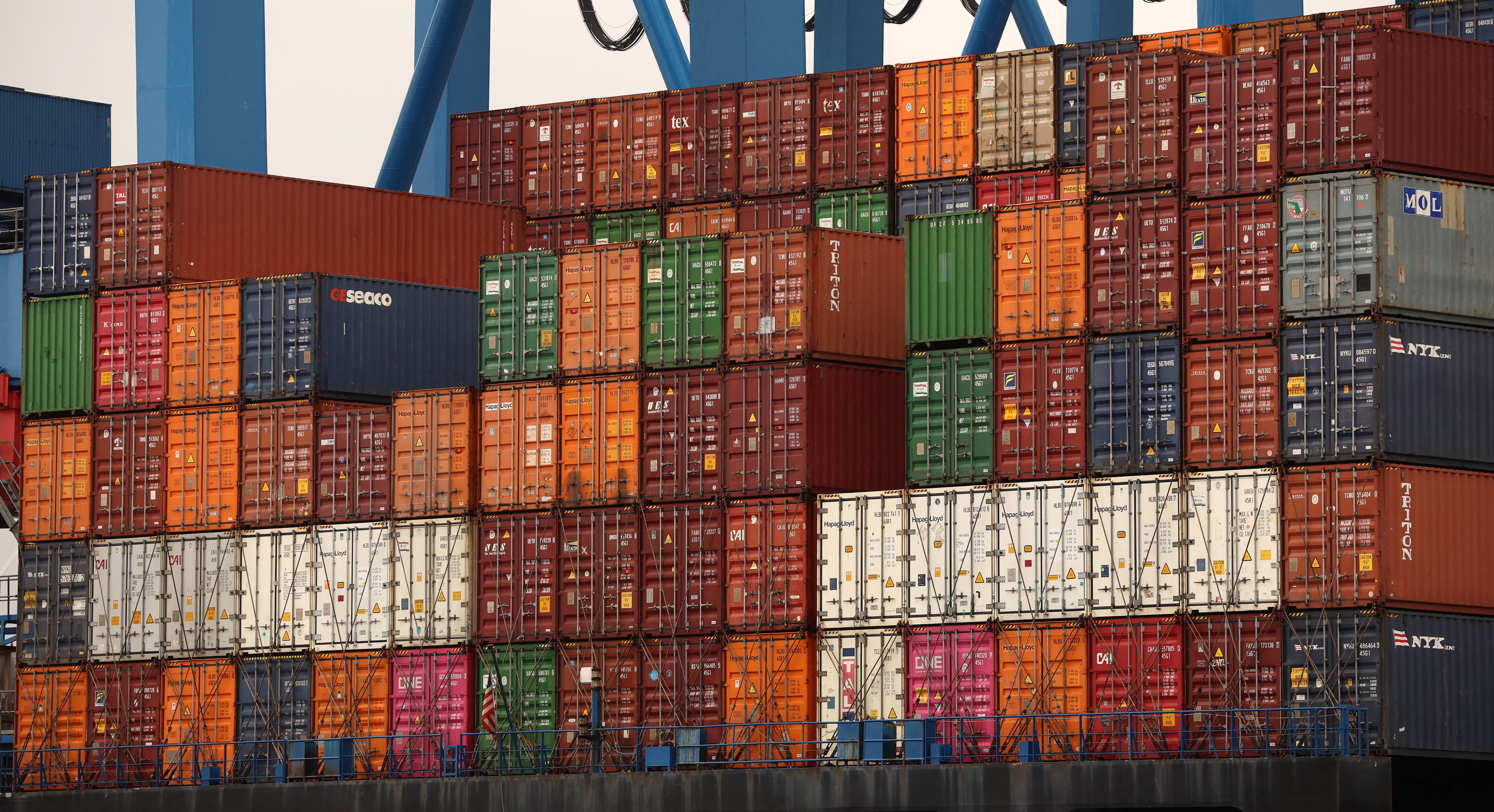
Growth was also hit by the rising cost of imports with energy prices surging and the yen falling to its lowest level against the dollar in 20 years.

Economists expect the economy to recover again in the April-June quarter now that virus restrictions have been lifted, but caution there are some caveats.

"We see three headwinds to this expected recovery," said UBS economists Masamichi Adachi and Go Kurihara in a note ahead of the GDP data release.

"First is a rise in food and energy prices. Second is a drag from the lockdown in China," and third is the risk of a potential resurgence in virus infections, they said.

Others point to ongoing uncertainties linked to "tensions in international relations and military conflicts", according to a survey among economists conducted by the Japan Center for Economic Research.

During the current earnings season, major Japanese firms such as Sony and Nissan have offered cautious forecasts because of the uncertainty, particularly over supply chain disruption and the effect of COVID lockdowns in China.

Wednesday's data showed the economy's rebound in the last quarter of 2021 was 0.9 percent, slightly weaker than an initial estimate of 1.1 percent growth.

Japan is battling a series of economic headwinds linked to the pandemic and Russia's invasion of Ukraine, which has sent energy costs soaring.

The yen has also slumped against the dollar, with a widening gap between Japan's ultra-loose monetary policy and tightening in the United States as the Federal Reserve attempts to combat inflation.

Rising energy prices and other hikes are squeezing Japanese consumers and businesses, with household spending dipping 2.3 percent in March from a year earlier.

Analysts have warned that the pace of nominal wage increases in Japan is unlikely to track rising prices, dampening spending appetites.

Last month, the government unveiled a 6.2 trillion yen (around $48 billion) economic package that included handouts for low-income families to help cushion the impact of rising prices and energy costs.

Looking ahead, "net trade will boost growth over the coming months as supply shortages ease and the weak yen boosts exports and softens demand for imports," Tom Learmouth, Capital Economics economist, said in a note.

"With coronavirus cases continuing to fall and nearly 60 percent of the population triple-jabbed, another round of restrictions looks unlikely for now."

"However, we expect GDP growth to disappoint across 2022 due to the hit to household income from higher inflation and signs that elderly consumers remain wary of catching the virus," he added. Read More...

Previous Post

2022 WTPO Conference: AfCFTA eyes continent's $450 million untapped SME market

Next Post

China records net inflow of cross-border capital in April

Comments