Japan’s Population Falls for the 15th Consecutive Year: Record Low Births and High Deaths
-
 Loading...
 - Mei Takehiko
- 25 Jul 2024
- 45 Views
- 0 Like
- 0 Comment
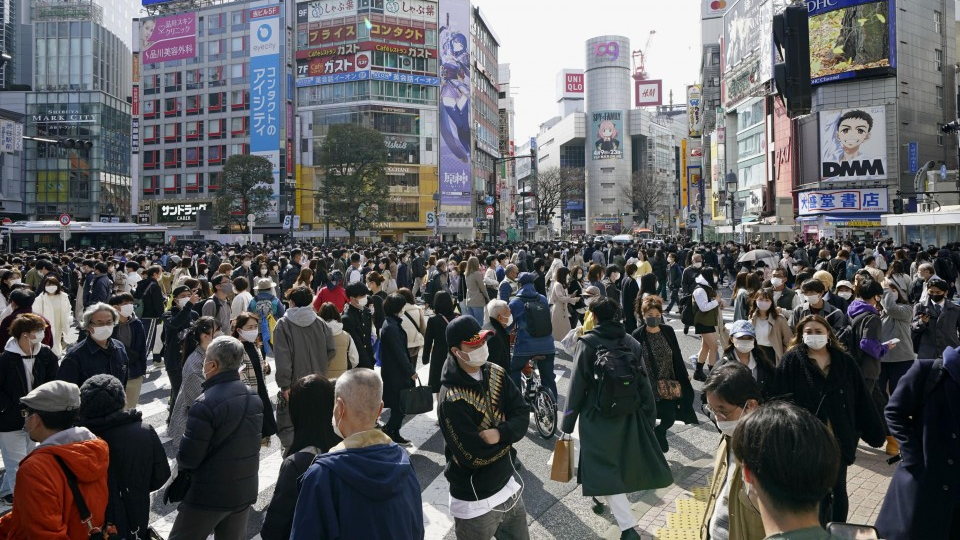
Japan’s total population has declined for the 15th straight year, according to data released by Japan’s Internal Affairs Ministry on Wednesday. As of January 1, 2023, the population stood at 124.9 million, marking a decrease of over half a million people. This decline is driven by a combination of an aging population and persistently low birth rates.
Record-Breaking Statistics
In 2023, Japan saw a record low of 730,000 births and a record high of 1.58 million deaths. The disparity between births and deaths is stark, highlighting the demographic challenges the country faces. While the total population continues to shrink, the population of foreign residents saw an 11% increase, surpassing 3 million for the first time and now comprising nearly 3% of the total population. These foreign residents are predominantly of working age, between 15 and 64.
Surveys indicate that younger Japanese are increasingly hesitant to marry or have children. Factors contributing to this trend include:
- Bleak Job Prospects: Uncertain employment opportunities discourage young people from starting families.
- High Cost of Living: Rising living expenses outpace salary increases, making it financially challenging to raise children.
- Gender-Biased Corporate Culture: The expectation for women to balance work and childcare adds an additional burden, making parenthood less appealing.
Government Initiatives
In response to the declining birth rate, the Japanese government has allocated 5.3 trillion yen ($34 billion) in the 2024 budget to encourage higher birth rates. Measures include:
- Subsidies for Childcare and Education: Increasing financial support for families.
- Incentives for Young Couples: Financial incentives aimed at encouraging young couples to have more children.
However, experts argue that these measures primarily target married couples who are already planning to have children or who already have them, and fail to address the core issue of young people’s reluctance to marry.
Japan's population is projected to fall by approximately 30% by 2070, potentially reaching 87 million. By then, it is expected that four out of every ten people will be 65 or older, significantly increasing the dependency ratio and placing additional strain on social services and the economy.
Japan’s ongoing population decline underscores the urgency for comprehensive policies that not only support existing families but also address the broader societal factors deterring marriage and childbirth. Without significant changes, the nation faces a future of continued demographic challenges and economic pressures.