Home Upload Photo Upload Videos Write a Blog Analytics Messaging Streaming Create Adverts Creators Program
Bebuzee Afghanistan Bebuzee Albania Bebuzee Algeria Bebuzee Andorra Bebuzee Angola Bebuzee Antigua and Barbuda Bebuzee Argentina Bebuzee Armenia Bebuzee Australia Bebuzee Austria Bebuzee Azerbaijan Bebuzee Bahamas Bebuzee Bahrain Bebuzee Bangladesh Bebuzee Barbados Bebuzee Belarus Bebuzee Belgium Bebuzee Belize Bebuzee Benin Bebuzee Bhutan Bebuzee Bolivia Bebuzee Bosnia and Herzegovina Bebuzee Botswana Bebuzee Brazil Bebuzee Brunei Bebuzee Bulgaria Bebuzee Burkina Faso Bebuzee Burundi Bebuzee Cabo Verde Bebuzee Cambodia Bebuzee Cameroon Bebuzee Canada Bebuzee Central African Republic Bebuzee Chad Bebuzee Chile Bebuzee China Bebuzee Colombia Bebuzee Comoros Bebuzee Costa Rica Bebuzee Côte d'Ivoire Bebuzee Croatia Bebuzee Cuba Bebuzee Cyprus Bebuzee Czech Republic Bebuzee Democratic Republic of the Congo Bebuzee Denmark Bebuzee Djibouti Bebuzee Dominica Bebuzee Dominican Republic Bebuzee Ecuador Bebuzee Egypt Bebuzee El Salvador Bebuzee Equatorial Guinea Bebuzee Eritrea Bebuzee Estonia Bebuzee Eswatini Bebuzee Ethiopia Bebuzee Fiji Bebuzee Finland Bebuzee France Bebuzee Gabon Bebuzee Gambia Bebuzee Georgia Bebuzee Germany Bebuzee Ghana Bebuzee Greece Bebuzee Grenada Bebuzee Guatemala Bebuzee Guinea Bebuzee Guinea-Bissau Bebuzee Guyana Bebuzee Haiti Bebuzee Honduras Bebuzee Hong Kong Bebuzee Hungary Bebuzee Iceland Bebuzee India Bebuzee Indonesia Bebuzee Iran Bebuzee Iraq Bebuzee Ireland Bebuzee Israel Bebuzee Italy Bebuzee Jamaica Bebuzee Japan Bebuzee Jordan Bebuzee Kazakhstan Bebuzee Kenya Bebuzee Kiribati Bebuzee Kuwait Bebuzee Kyrgyzstan Bebuzee Laos Bebuzee Latvia Bebuzee Lebanon Bebuzee Lesotho Bebuzee Liberia Bebuzee Libya Bebuzee Liechtenstein Bebuzee Lithuania Bebuzee Luxembourg Bebuzee Madagascar Bebuzee Malawi Bebuzee Malaysia Bebuzee Maldives Bebuzee Mali Bebuzee Malta Bebuzee Marshall Islands Bebuzee Mauritania Bebuzee Mauritius Bebuzee Mexico Bebuzee Micronesia Bebuzee Moldova Bebuzee Monaco Bebuzee Mongolia Bebuzee Montenegro Bebuzee Morocco Bebuzee Mozambique Bebuzee Myanmar Bebuzee Namibia Bebuzee Nauru Bebuzee Nepal Bebuzee Netherlands Bebuzee New Zealand Bebuzee Nicaragua Bebuzee Niger Bebuzee Nigeria Bebuzee North Korea Bebuzee North Macedonia Bebuzee Norway Bebuzee Oman Bebuzee Pakistan Bebuzee Palau Bebuzee Panama Bebuzee Papua New Guinea Bebuzee Paraguay Bebuzee Peru Bebuzee Philippines Bebuzee Poland Bebuzee Portugal Bebuzee Qatar Bebuzee Republic of the Congo Bebuzee Romania Bebuzee Russia Bebuzee Rwanda Bebuzee Saint Kitts and Nevis Bebuzee Saint Lucia Bebuzee Saint Vincent and the Grenadines Bebuzee Samoa Bebuzee San Marino Bebuzee São Tomé and Príncipe Bebuzee Saudi Arabia Bebuzee Senegal Bebuzee Serbia Bebuzee Seychelles Bebuzee Sierra Leone Bebuzee Singapore Bebuzee Slovakia Bebuzee Slovenia Bebuzee Solomon Islands Bebuzee Somalia Bebuzee South Africa Bebuzee South Korea Bebuzee South Sudan Bebuzee Spain Bebuzee Sri Lanka Bebuzee Sudan Bebuzee Suriname Bebuzee Sweden Bebuzee Switzerland Bebuzee Syria Bebuzee Taiwan Bebuzee Tajikistan Bebuzee Tanzania Bebuzee Thailand Bebuzee Timor-Leste Bebuzee Togo Bebuzee Tonga Bebuzee Trinidad and Tobago Bebuzee Tunisia Bebuzee Turkey Bebuzee Turkmenistan Bebuzee Tuvalu Bebuzee Uganda Bebuzee Ukraine Bebuzee United Arab Emirates Bebuzee United Kingdom Bebuzee Uruguay Bebuzee Uzbekistan Bebuzee Vanuatu Bebuzee Venezuela Bebuzee Vietnam Bebuzee World Wide Bebuzee Yemen Bebuzee Zambia Bebuzee Zimbabwe
Blog Image

Japan's prices are finally rising, but will it last?

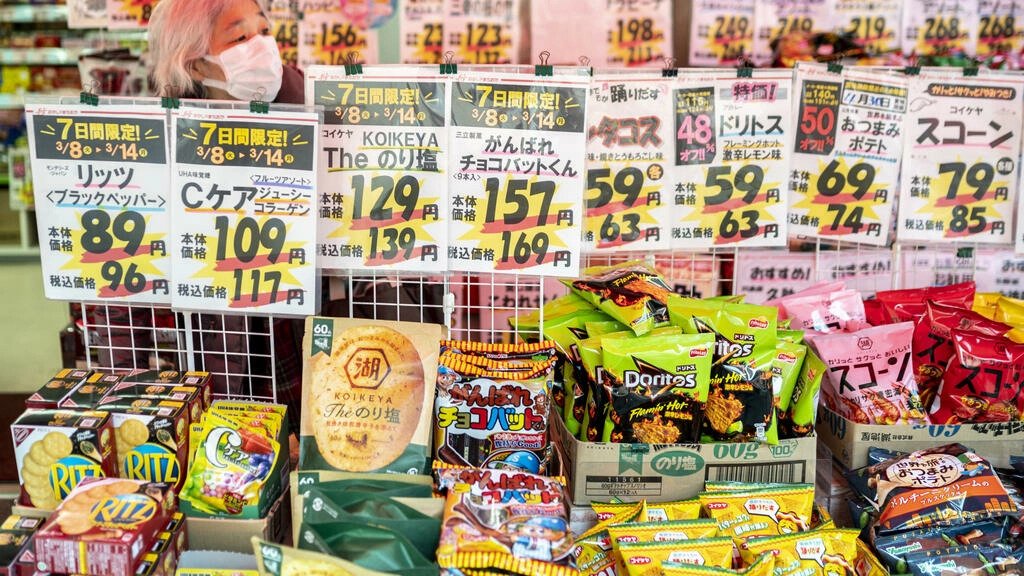
Tokyo (AFP) – From rice balls to nappies, prices are rising in Japan. But unlike inflation seen in many other places, the increases are long-sought but also unlikely to last, analysts say.

Since the 1990s, the country has swung between periods of sluggish inflation and deflation, where prices are falling -- both considered bad for growth.

The central bank has tried an array of policies including pushing interest rates to rock-bottom to encourage spending and reach a two-percent inflation target, seen as key to boosting prosperity in the world's third-largest economy.

It hasn't worked: in 2021, the price of goods, not including volatile fresh food, inched down by an average of 0.2 percent.

But pandemic recovery demand, as well as a surge in oil and other commodities linked to the Ukraine war, may finally be achieving what the Bank of Japan couldn't.

Major Japanese companies have started raising the price of goods in a previously unthinkable, and sometimes controversial, fashion.

The maker of beloved children's corn snack Umaibo was even forced to apologise for the "commotion" caused by rumours ahead of a price rise amounting to two US cents, the first increase since its 1979 debut.

Other hikes have also made headlines in a country where wages and prices have long been stagnant.

The increases have been tough to make, according to Shigeto Nagai of Oxford Economics.

The so-called lost decades that followed Japan's 1980s boom have "cemented a deflationary mindset" among consumers, he told AFP.

"People believe that wages and prices will not grow," and so companies fear losing ground to competitors if they price items higher, he explained.

On a narrow, bustling street in eastern Tokyo, shopkeepers said they felt squeezed by a pandemic downturn and higher costs for essentials such as cooking oil, flour and fuel.

But many prefer to absorb extra costs rather than pass them on.

"We have been in business for over 70 years... we are extremely close to our customers," said Satoshi Okubo, whose family shop sells sweets and chewy udon noodles.

"For now, I am swallowing the increased costs," he told AFP. "We will only decide to increase our prices when it becomes absolutely necessary."

Shrinkflation
Some companies have instead opted to reduce the size of products while leaving the price unchanged, a move dubbed "shrinkflation".

But this risks irritating customers like Masayuki Iwasa, 45, who since 2020 has documented shrinking goods and price increases on his website "Neage", which means "price hikes" in Japanese.

"Some companies clearly say what they are doing, and others don't. If they announce what they are doing, I think customers would understand," he told AFP.

Despite the challenges, prices have been climbing in Japan since the autumn, albeit at nowhere near the blistering pace seen in Europe or the United States, where inflation recently hit a 40-year high of 7.9 percent.

Core consumer prices, excluding fresh food, increased by 0.6 percent on-year in February, according to data released Friday, and some economists predict Japan could reach its two-percent inflation target in the coming months. Read More...

Previous Post

Economy will rebound – President Akufo-Addo

Next Post

What Role Do Translation Services NYC Play In Public Sector?

Comments