Japanese Adults Relearn Abacus to Improve Mental Arithmetic and Business Skills
-
 Loading...
 - Bulan Susilo
- 24 Jan 2023
- 79 Views
- 0 Like
- 0 Comment
The abacus, which is called soroban in Japanese and used to be one of popular out-of-school learning activities for children, is once again drawing attention, with some adults relearning it because it is useful for their work. In an age when all we have to do to calculate a sum is open our smartphone, is the abacus really necessary?
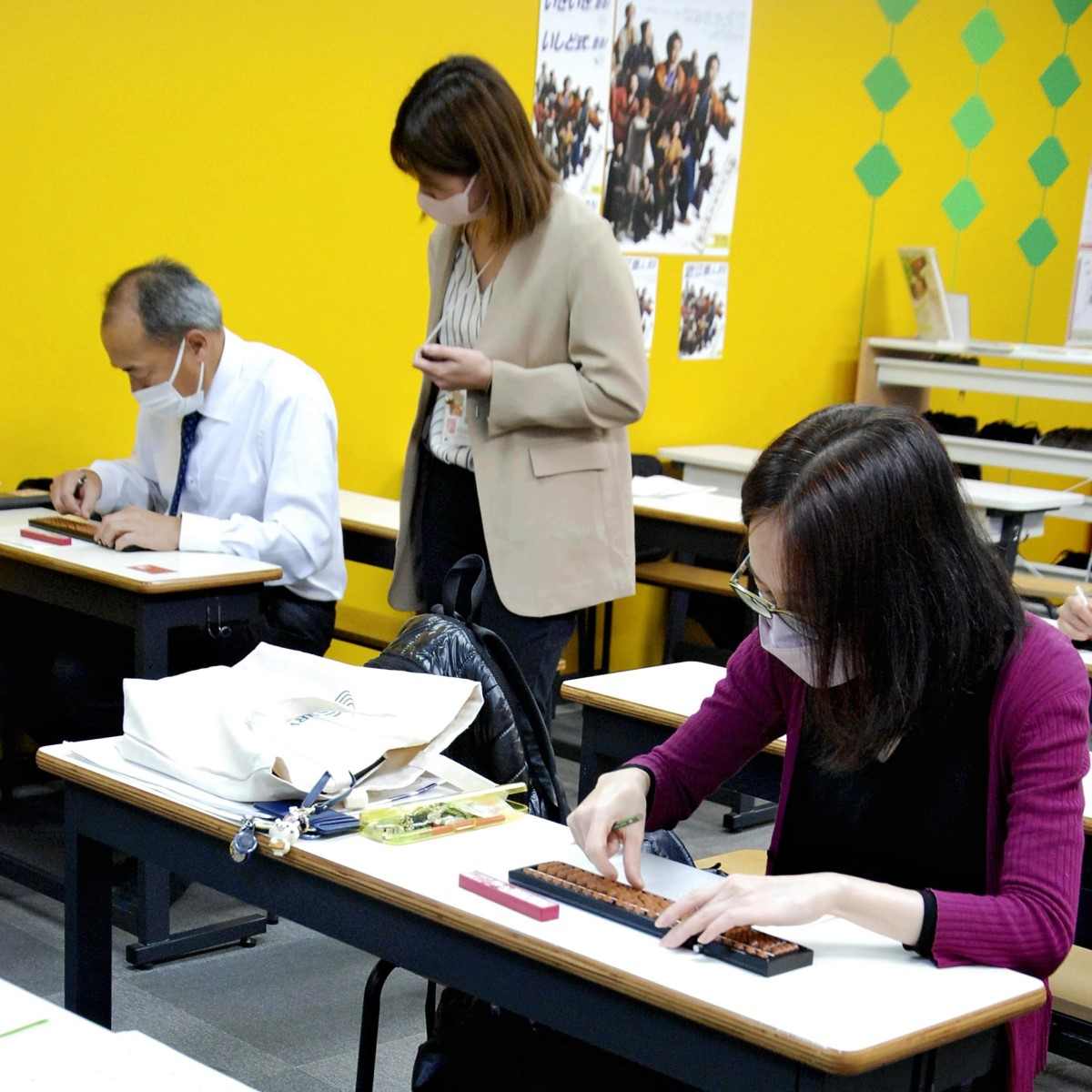
“Go!” At the teacher’s shout, students started operating their abacuses at Higashi-Nihonbashi School of Ishido Shuzan Gakuen in central Tokyo, shortly after 7 p.m. on Dec. 1 last year. They included office workers who had come after work.
They moved the beads to do multiplication and division, making tapping sounds. At the end of the class, the students did mental arithmetic as their teacher read figures aloud. “Now to begin: there is ¥671, there is ¥940, there is a subtraction of …” The students listened to the teacher’s voice, closing their eyes and moving their fingertips in the air.
Hidemi Kurohara, 58, who joined the class two years ago and works for a major manufacturer, said: “I can now calculate in my head while listening to what others are saying during discussions on budgets and other matters. I am the first to notice mistakes in the numbers on resumes,” he laughed.
This school in Higashi-Nihonbashi opened in 2014. According to Ishido, a Chiba Prefecture-based company that operates a chain of soroban schools, the initial classes were mainly for children, but the number of adult students who wanted to make use of soroban skills for their work increased, so the company began a class exclusively for adults in 2016. Read More…