Home Upload Photo Upload Videos Write a Blog Analytics Messaging Streaming Create Adverts Creators Program
Bebuzee Afghanistan Bebuzee Albania Bebuzee Algeria Bebuzee Andorra Bebuzee Angola Bebuzee Antigua and Barbuda Bebuzee Argentina Bebuzee Armenia Bebuzee Australia Bebuzee Austria Bebuzee Azerbaijan Bebuzee Bahamas Bebuzee Bahrain Bebuzee Bangladesh Bebuzee Barbados Bebuzee Belarus Bebuzee Belgium Bebuzee Belize Bebuzee Benin Bebuzee Bhutan Bebuzee Bolivia Bebuzee Bosnia and Herzegovina Bebuzee Botswana Bebuzee Brazil Bebuzee Brunei Bebuzee Bulgaria Bebuzee Burkina Faso Bebuzee Burundi Bebuzee Cabo Verde Bebuzee Cambodia Bebuzee Cameroon Bebuzee Canada Bebuzee Central African Republic Bebuzee Chad Bebuzee Chile Bebuzee China Bebuzee Colombia Bebuzee Comoros Bebuzee Costa Rica Bebuzee Côte d'Ivoire Bebuzee Croatia Bebuzee Cuba Bebuzee Cyprus Bebuzee Czech Republic Bebuzee Democratic Republic of the Congo Bebuzee Denmark Bebuzee Djibouti Bebuzee Dominica Bebuzee Dominican Republic Bebuzee Ecuador Bebuzee Egypt Bebuzee El Salvador Bebuzee Equatorial Guinea Bebuzee Eritrea Bebuzee Estonia Bebuzee Eswatini Bebuzee Ethiopia Bebuzee Fiji Bebuzee Finland Bebuzee France Bebuzee Gabon Bebuzee Gambia Bebuzee Georgia Bebuzee Germany Bebuzee Ghana Bebuzee Greece Bebuzee Grenada Bebuzee Guatemala Bebuzee Guinea Bebuzee Guinea-Bissau Bebuzee Guyana Bebuzee Haiti Bebuzee Honduras Bebuzee Hong Kong Bebuzee Hungary Bebuzee Iceland Bebuzee India Bebuzee Indonesia Bebuzee Iran Bebuzee Iraq Bebuzee Ireland Bebuzee Israel Bebuzee Italy Bebuzee Jamaica Bebuzee Japan Bebuzee Jordan Bebuzee Kazakhstan Bebuzee Kenya Bebuzee Kiribati Bebuzee Kuwait Bebuzee Kyrgyzstan Bebuzee Laos Bebuzee Latvia Bebuzee Lebanon Bebuzee Lesotho Bebuzee Liberia Bebuzee Libya Bebuzee Liechtenstein Bebuzee Lithuania Bebuzee Luxembourg Bebuzee Madagascar Bebuzee Malawi Bebuzee Malaysia Bebuzee Maldives Bebuzee Mali Bebuzee Malta Bebuzee Marshall Islands Bebuzee Mauritania Bebuzee Mauritius Bebuzee Mexico Bebuzee Micronesia Bebuzee Moldova Bebuzee Monaco Bebuzee Mongolia Bebuzee Montenegro Bebuzee Morocco Bebuzee Mozambique Bebuzee Myanmar Bebuzee Namibia Bebuzee Nauru Bebuzee Nepal Bebuzee Netherlands Bebuzee New Zealand Bebuzee Nicaragua Bebuzee Niger Bebuzee Nigeria Bebuzee North Korea Bebuzee North Macedonia Bebuzee Norway Bebuzee Oman Bebuzee Pakistan Bebuzee Palau Bebuzee Panama Bebuzee Papua New Guinea Bebuzee Paraguay Bebuzee Peru Bebuzee Philippines Bebuzee Poland Bebuzee Portugal Bebuzee Qatar Bebuzee Republic of the Congo Bebuzee Romania Bebuzee Russia Bebuzee Rwanda Bebuzee Saint Kitts and Nevis Bebuzee Saint Lucia Bebuzee Saint Vincent and the Grenadines Bebuzee Samoa Bebuzee San Marino Bebuzee São Tomé and Príncipe Bebuzee Saudi Arabia Bebuzee Senegal Bebuzee Serbia Bebuzee Seychelles Bebuzee Sierra Leone Bebuzee Singapore Bebuzee Slovakia Bebuzee Slovenia Bebuzee Solomon Islands Bebuzee Somalia Bebuzee South Africa Bebuzee South Korea Bebuzee South Sudan Bebuzee Spain Bebuzee Sri Lanka Bebuzee Sudan Bebuzee Suriname Bebuzee Sweden Bebuzee Switzerland Bebuzee Syria Bebuzee Taiwan Bebuzee Tajikistan Bebuzee Tanzania Bebuzee Thailand Bebuzee Timor-Leste Bebuzee Togo Bebuzee Tonga Bebuzee Trinidad and Tobago Bebuzee Tunisia Bebuzee Turkey Bebuzee Turkmenistan Bebuzee Tuvalu Bebuzee Uganda Bebuzee Ukraine Bebuzee United Arab Emirates Bebuzee United Kingdom Bebuzee Uruguay Bebuzee Uzbekistan Bebuzee Vanuatu Bebuzee Venezuela Bebuzee Vietnam Bebuzee World Wide Bebuzee Yemen Bebuzee Zambia Bebuzee Zimbabwe
Blog Image

Japanese Art and the Fading Dawn of Ukiyo-e

The Meiji Restoration (1868-1912) witnessed the fading dawn of ukiyo-e – to a connection with ukiyo-e during the Taisho Period (1912-1926) called shin-hanga (new prints).

The Meiji Restoration (1868-1912) witnessed the fading dawn of ukiyo-e – to a connection with ukiyo-e during the Taisho Period (1912-1926) called shin-hanga (new prints). However, the impact of modernization during the Meiji Period – to political and artistic elites focusing on various Western art forms – entailed that ukiyo-e would gradually become reduced to the fringes of art.

Ukiyo-e notably flourished between the late seventeenth century to the late nineteenth century before modernization took hold during the Meiji period. Despite this, many amazing ukiyo-e artists who overlapped the late Edo Period to the early Meiji Period continued to battle against the changing artistic sands that altered the art scene dramatically in Japan.
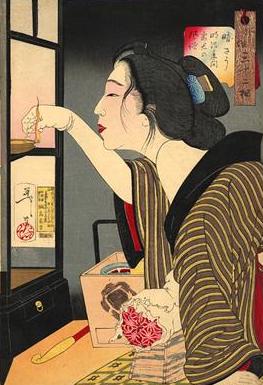
Potent Meiji era ukiyo-e artists include Ginko Adachi, Chikanobu, Kobayashi Kiyochika, Toyohara Kunichika, Kawanabe Kyosai, Mizuno Toshikata, Utagawa Yoshifuji, Yoshitoshi, and several others. Interestingly, Western artists including Pierre Bonnard, Mary Cassatt, Edgar Degas, Paul Gauguin, Toulouse-Lautrec, Claude Monet, Camille Pissarro, Pierre-Auguste Renoir, James Abbot McNeill Whistler, and Vincent Van Gogh were influenced to various degrees by ukiyo-e.

Vincent Van Gogh wrote to his brother, “My studio’s quite tolerable, mainly because I’ve pinned a set of Japanese prints on the walls that I find very diverting. You know, those little female figures in gardens or on the shore, horsemen, flowers, gnarled thorn branches.
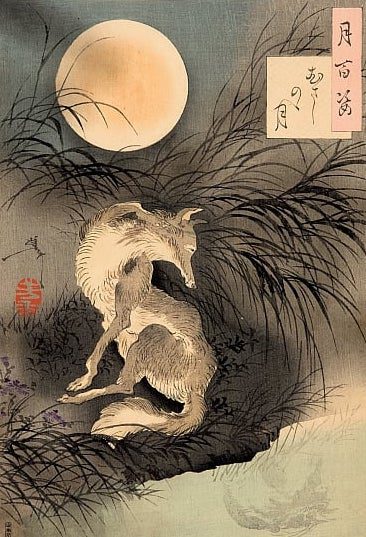
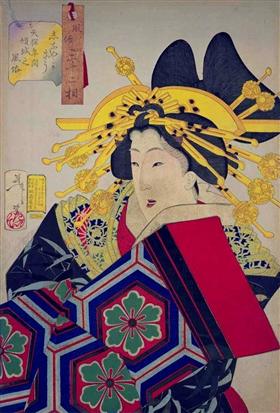
The artist Tsukioka Yoshitoshi (all art pieces in this article by Yoshitoshi) lived between 1839-1892. Many individuals deem Yoshitoshi to be the last great master of ukiyo-e. Hence, he witnessed the gradual demise of ukiyo-e.

Initially, Yoshitoshi was very open to the modernization of the Meiji Period and how internal art movements would develop. Yet, with each passing year, Yoshitoshi’s openness gradually turned to fear because political elites were focused on replacing internal artistic and cultural traits.
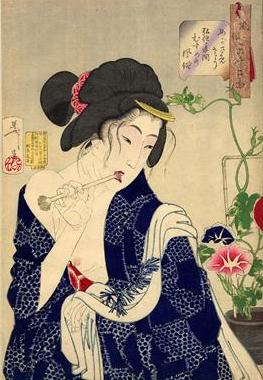
Kobayashi Kiyochika (1847-1915) – similar to Yoshitoshi – also battled against the shifting artistic sands. Hence, while Yoshitoshi is deemed the last great master of ukiyo-e, Kiyochika is deemed the last significant artist of this art form. Therefore, the fading dawn of ukiyo-e ultimately died with the death of Kiyochika.

The shin-hanga art movement during the Taisho and early Showa period kept the flag going to a lesser degree by connecting with the richness of ukiyo-e. However, the shin-hanga subject matter was limited in comparison to ukiyo-e. Read More...
Previous Post

South African artist makes traditional work boldly modern

Next Post

Japanese art on display at Kalwit

Comments