Japanese travel guide series successfully navigates closed borders.
-
 Loading...
 - Bojing Liu
- 21 Apr 2022
- 320 Views
- 0 Like
- 0 Comment
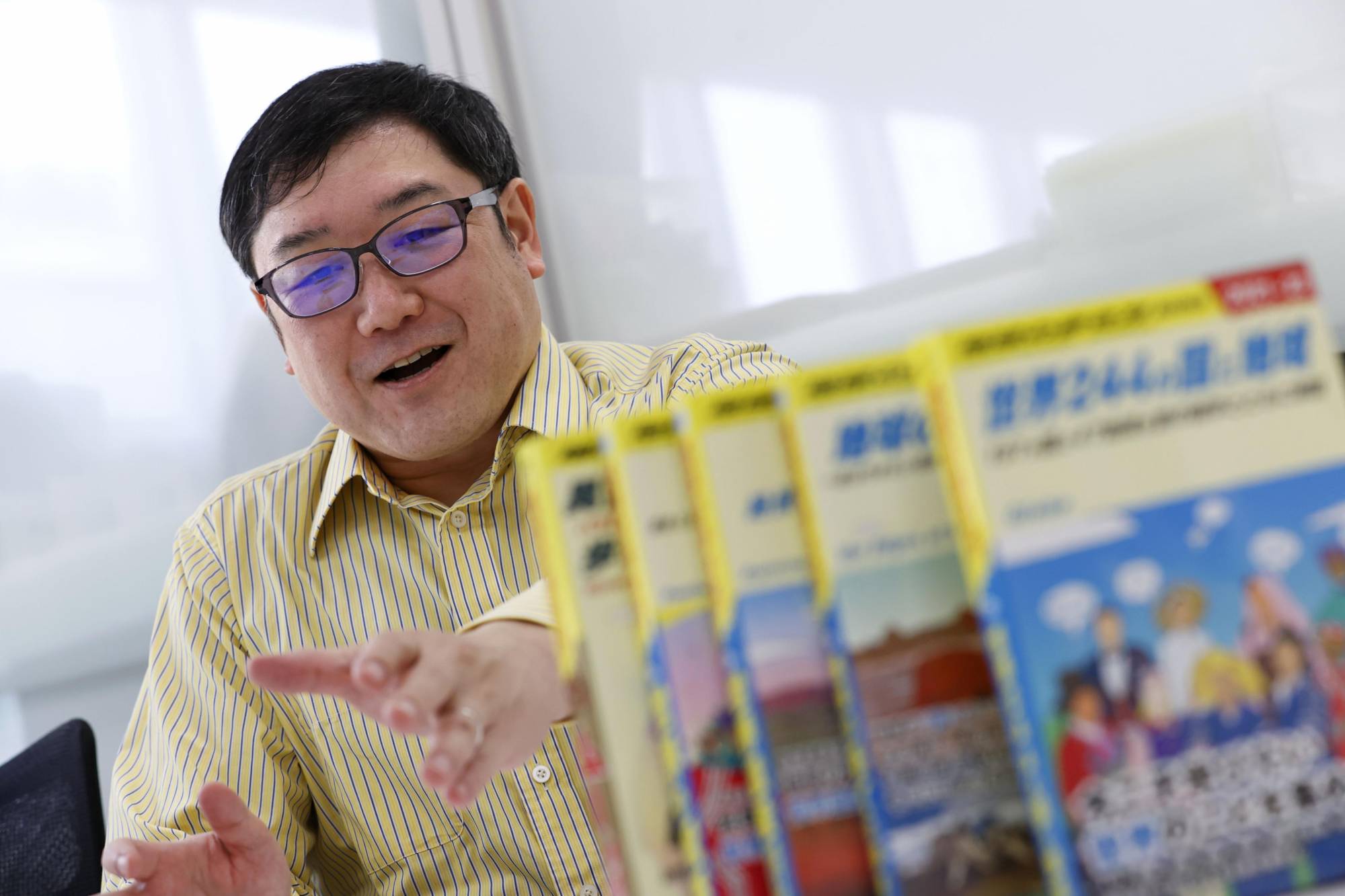
Takashi Miyata, 44, editor-in-chief of Japanese overseas travel guidebook series “Chikyu no Arukikata,” couldn’t believe his eyes when he saw sales data from bookstores across the country on the series’ first domestic edition, “Tokyo.”
After it hit the shelves in September 2020, the edition soon became a bestseller, offering the publisher a light at the end of the tunnel after its business was hit hard by the COVID-19 pandemic.
Initially, the Tokyo edition had targeted tourists who would be visiting the capital for the Tokyo Olympics and Paralympics.
But the pandemic changed everything — the Games were postponed for a year, foreign tourists were close to none due to the country’s closed border, and people in Japan were told to refrain from traveling domestically.
“I didn’t expect it would sell, not even for a second,” said Miyata, “but reporting and editing were already in progress, so we couldn’t just stop the publication.”
“Chikyu no Arukikata” (“Globe-Trotter Travel Guidebook”), Japan’s answer to the ubiquitous “Lonely Planet” travel guidebook series, has been a pioneer of international travel literature. But the pandemic prompted the publisher to shift its strategy as it struggled to survive.
Decline in sales
It was in January 2020 that Miyata was contacted by an editor in charge of the series’ China edition.
“I can’t enter Wuhan because of the spread of pneumonia,” the editor said.
Miyata decided to temporarily suspend reporting activities in China, having remembered the confusion over SARS, or Severe Acute Respiratory Syndrome, which emerged in China in 2002 and spread to 26 countries, mainly in Southeast Asia.
“I thought (the suspension) would only be until the summer,” he said.
Little did he know, however, that this was just the start of the COVID-19 pandemic.
The publisher has released 122 titles covering around 160 countries and regions, with staff members visiting each area they are in charge of every year to revise the content.
Each guidebook is designed to cover a region from the traveler’s point of view. But the entire operation to revise and update the series had to be suspended, leaving hundreds of staff members out of work.
With travel restrictions in place worldwide, sales dropped 90%.
“If we stopped thinking what we could do, that’s a dead end for the editorial department. So we kept thinking about new options,” Miyata said.
Miyata and about 10 editorial staff came up with the idea of utilizing the vast amount of visual content that had been gathered since the series was launched in 1979.
Instead of publishing a guidebook, the editors decided to issue “244 Countries and Regions of the World,” a book containing information about each country, which was unexpectedly well received. And then came the “Tokyo” edition, which became a bestseller.
Miyata was convinced that people’s desire to travel remained unchanged.
From backpacker to publisher
Miyata became a backpacker after a trip to India at the end of his first year of college. During his trips, he has always relied on “Chikyu no Arukikata” books.
When he was job hunting before he graduated university, he turned down a job offer from a trading company — an ideal job for students — to join the publisher of the guidebook. He entered the editorial department the following year.
At that time, the guidebook series had already covered most parts of the world.
Thinking how he could contribute, Miyata decided to dig deep on India — a travel destination on which people have mixed opinions due to its sometimes harsh environment.
Miyata focused on southern India, which is often considered more peaceful and quiet. Miyata also created an “East Africa” edition, due to his love for Ethiopia.
The guidebook series has been closely intertwined with the world’s changes over time. It has not been unusual for the publisher to halt revisions due to military conflicts or other factors affecting travel safety. Syria was dropped from the lineup in 2014 when the civil war there escalated.
Information on Syria remained in the Jordan edition, however, reflecting Miyata’s intention to share its charm.
While clearly stating that it was too dangerous to travel in the country, the guidebook included a detailed description of Syria’s landscape and its culture. There was a note at the end reading “We hope the civil war will end soon.”
It is often said that young people no longer travel as much. Miyata, who became the seventh editor in chief in July 2017, believes that the proportion of people who travel has — in fact — not changed.
“It’s just that the population of the younger generation has decreased due to the declining birth rate,” he said.
‘France in Tokyo’
The publishing company was hit by the pandemic just as it was seeking new strategies.
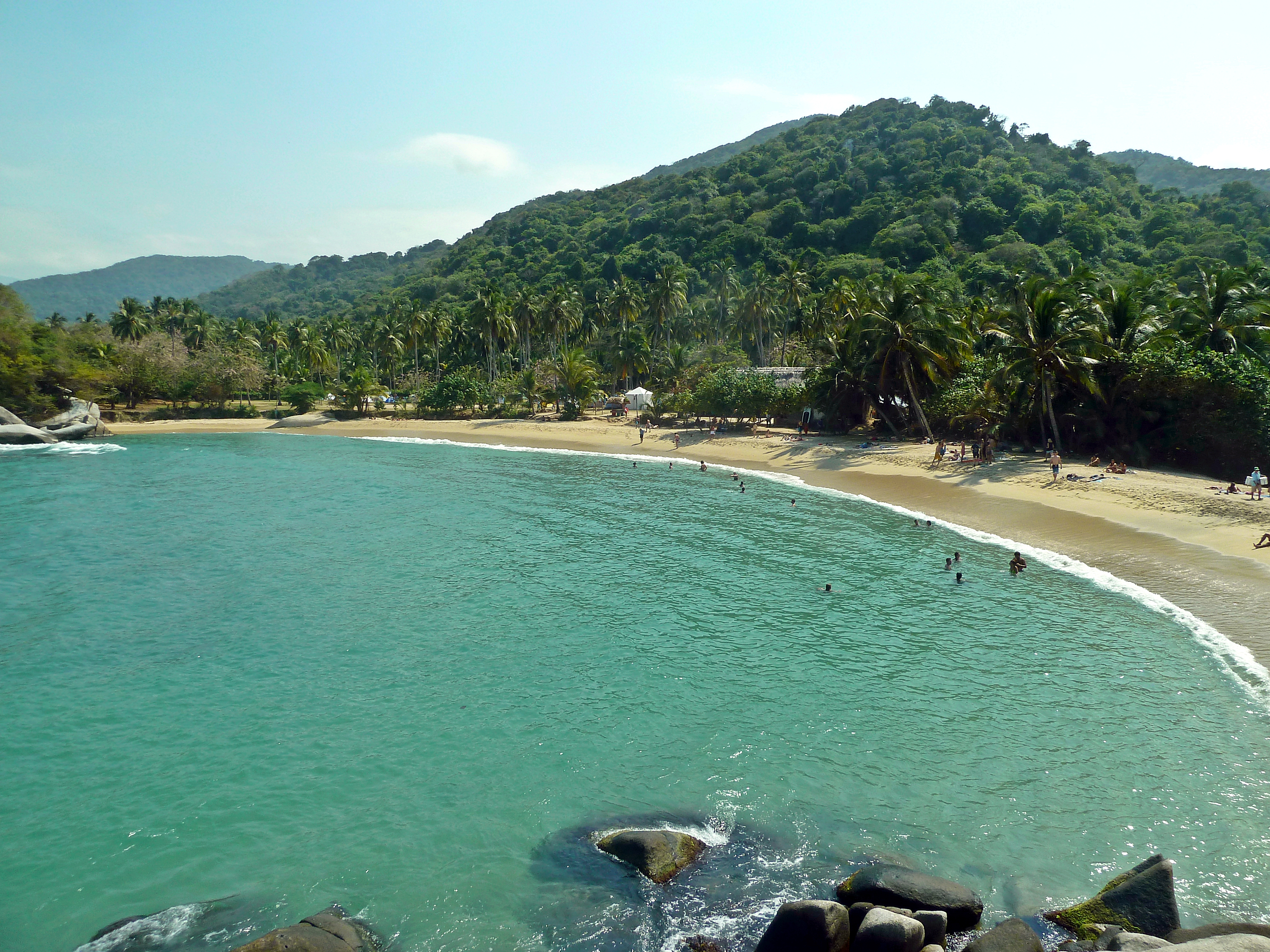
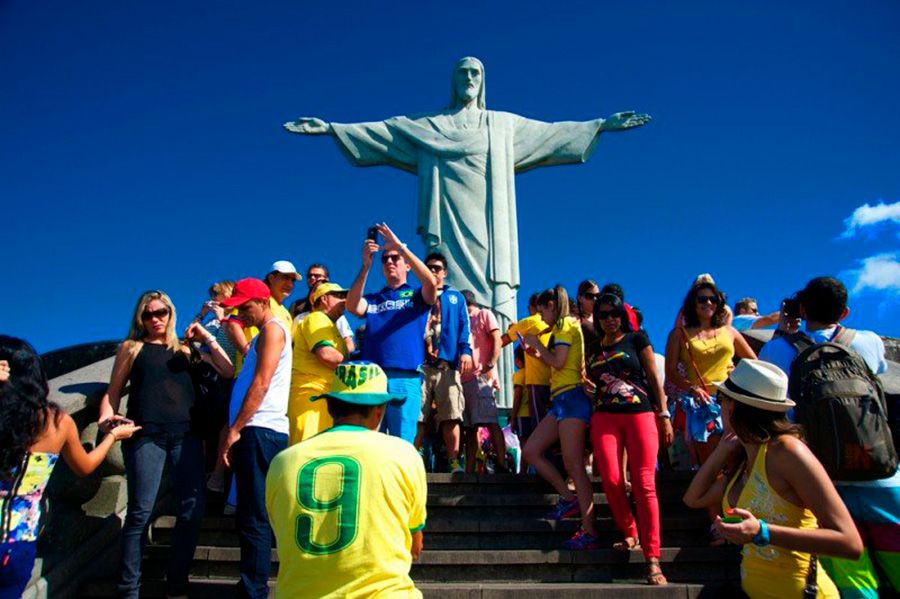
With no prospect of resuming overseas travel, the firm diversified its lineup, launching a new series in July 2020 called “Tabi no Zukan,” loosely translated as “travel photo books,” featuring the world’s most picturesque destinations, such as gigantic statues and palaces.
The series has gone viral online with people commenting that the company “is seriously trying to survive.”
Another series that has also attracted attention is one that focuses on restaurants and other venues in Tokyo where people can experience other countries.
“France in Tokyo” and “South Korea in Tokyo” are among the editions, targeting female readers with editing and reporting entirely conducted by female editorial staff.
For the Asian edition, reporters covered a restaurant in Tokyo’s Roppongi district that serves cuisine from southern Vietnam — a place only known to insiders.
“Before the pandemic, I used to think that if I wanted to experience the atmosphere of a foreign country, I had to go abroad,” said Yukari Fukui, 43, an editorial worker in charge of the edition. Read More...