John Major warns Universal Credit will trigger Poll Tax-style 'danger'
-
 Loading...
 - Kasia Johnson
- 11 Oct 2021
- 861 Views
- 0 Like
- 0 Comment
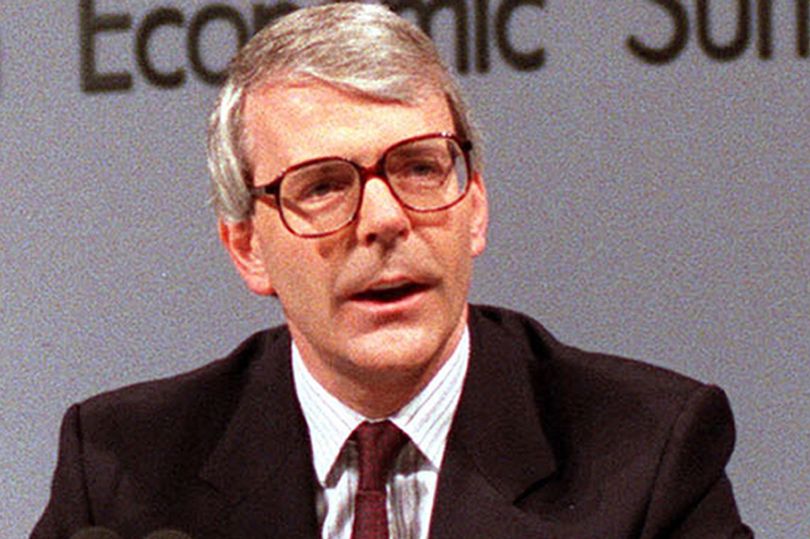
Sir John Major today warned Universal Credit could trigger a "danger" reminiscent of the Poll Tax.
The former Tory Prime Minister warned of dire consequences when the six-in-one benefit - which slashes millions of families' payments - is rolled out to 3.95million more claimants from July next year.
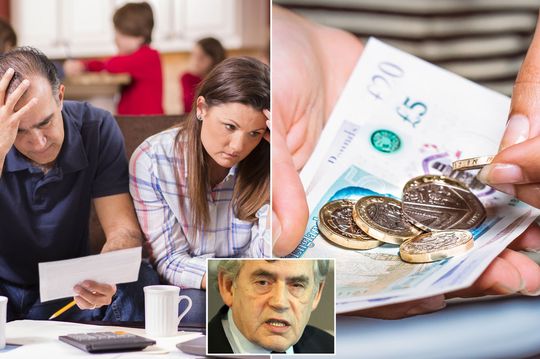
Mirroring yesterday's comments by fellow ex-PM Gordon Brown, the grandee warned it could cause "the sort of problems that the Conservative Party ran into with the poll tax".
The Poll Tax triggered riots and civil disobedience and toppled Margaret Thatcher in 1990 before it was scrapped and replaced with Council Tax.
Sir John told the BBC he was not specifically predicting riots.
But he said the Government should rethink its national roll-out of the benefit after its initial rollout to 1.1million people left people in rent debt and using food banks.
Sir John told the BBC that Universal Credit was "impeccable" and "entirely logical" in theory, but called for its implementation to be reconsidered.
"I don't oppose the principle of Universal Credit, I think there is a real danger it will be introduced too soon and in the wrong circumstances," he said.
"So I do think we need to look very carefully at how it is introduced."
Speaking on the Corporation's Political Thinking podcast, Sir John - PM from 1990 to 1997 - said people who faced losing out in the short term had to be protected.
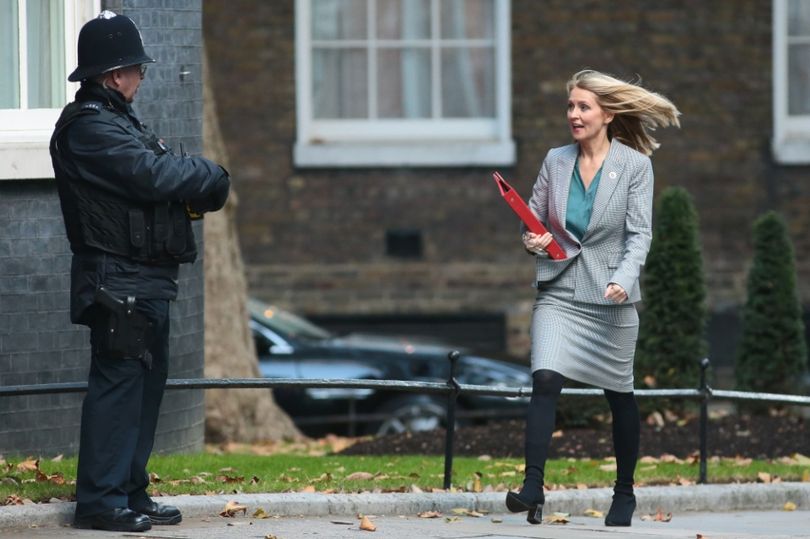
And he slammed the system after reports that Work and Pensions Secretary Esther McVey has admitted millions face losing £200 a month.
He said: "I am saying that if you have people who have that degree of loss, that is not something that the majority of the British population would think of as fair.
"And if people think you have to remove yourself from fairness, then you are in deep political trouble."
Downing Street has insisted it is making £3billion of transitional payments to stop people receiving less than they do now.
But it has not commented on whether people will receive less than they would have done under the continuing old system.
And some of these transitional protections are only temporary.
Universal Credit has already been delayed eight times and will only finish rolling out in March 2023.