Kampala Real Estate Market Stabilises Despite Low Economic Activity
-
 Loading...
 - Angelina Etulo
- 20 Feb 2023
- 70 Views
- 0 Like
- 0 Comment
According to a survey by Knight Frank, one of Uganda’s leading commercial real estate advisory firms, the real estate market remained steady in the third quarter of 2022 despite muted economic growth.
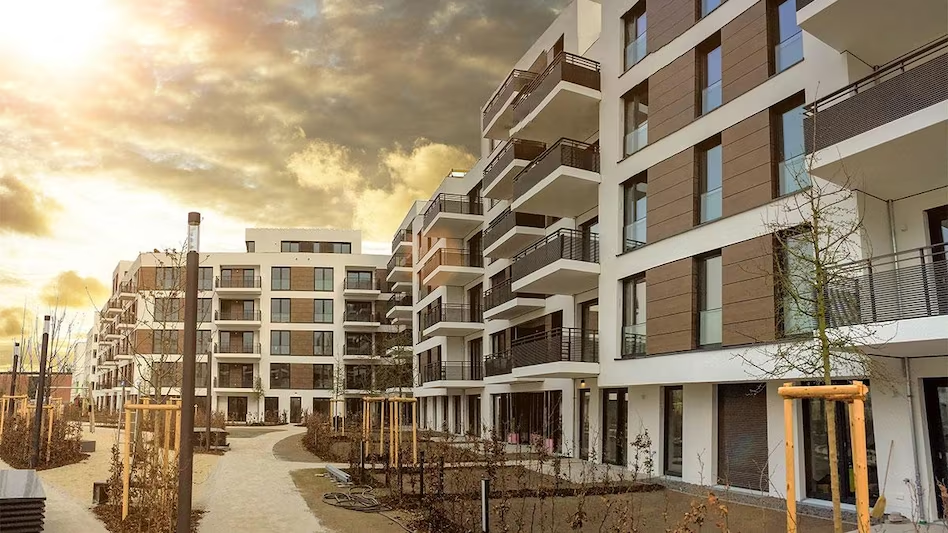
According to the research which analyzed the performance of residential, office, retail, and industrial properties, there was an overall increase in demand for all property types over time, owing to increased activity in the banking and oil sectors.
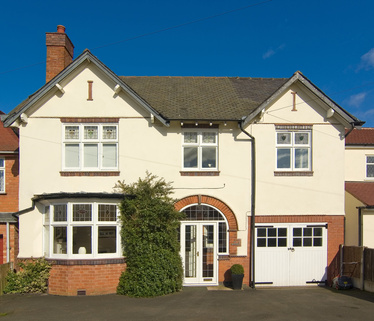
For instance, Knight Frank reported an increase in the demand for unoccupied land as a result of a rise in developer requests ready to fulfil the increased demand for affordable housing, as well as an increase in the number of rental inquiries for flats and bungalows in desirable areas.
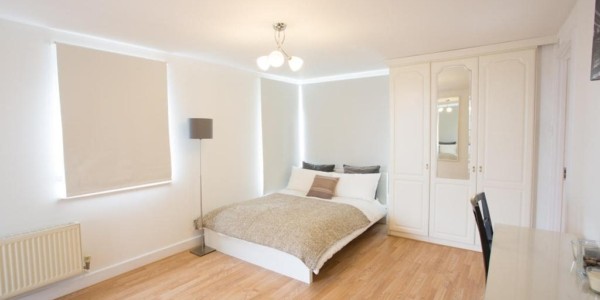
The survey found that rental asking prices remained relatively stable, while prime average occupancy rates increased slightly by 2%, particularly for two- and three-bedroom apartments.
Buyers took advantage of the increased number of foreclosed homes for sale at this time to “bargain for lower offers.”
Because of the weak economic activity, which is characterised by high inflation, erratic foreign exchange, and high commodity prices, the real estate market has remained mostly steady but with muted growth.
According to Knight Frank, average prime office rent remained steady, while banks and oil-related businesses’ demand caused occupancies to rise marginally, by 1% to 3%.
The survey did observe a decrease in lease durations, with occupiers choosing shorter terms of one to two years.
Knight Frank also reported increasing foot traffic and turnover, which surged by 13% and 7%, respectively, due to rising consumer confidence in the retail environment. However, because of the high cost of doing business brought on by growing inflation, general food store turnover remained muted.
In comparison to the main location for retail in downtown Kampala, there was also a discernible rise in retail activity in the suburbs during this time, fueled by subsidised venues.
The research stated that in addition to a preference for modern retail locations with better exhibit layouts and sizes, abundant parking, and a move to online marketing and sales, these factors also contributed to the change. Read More…