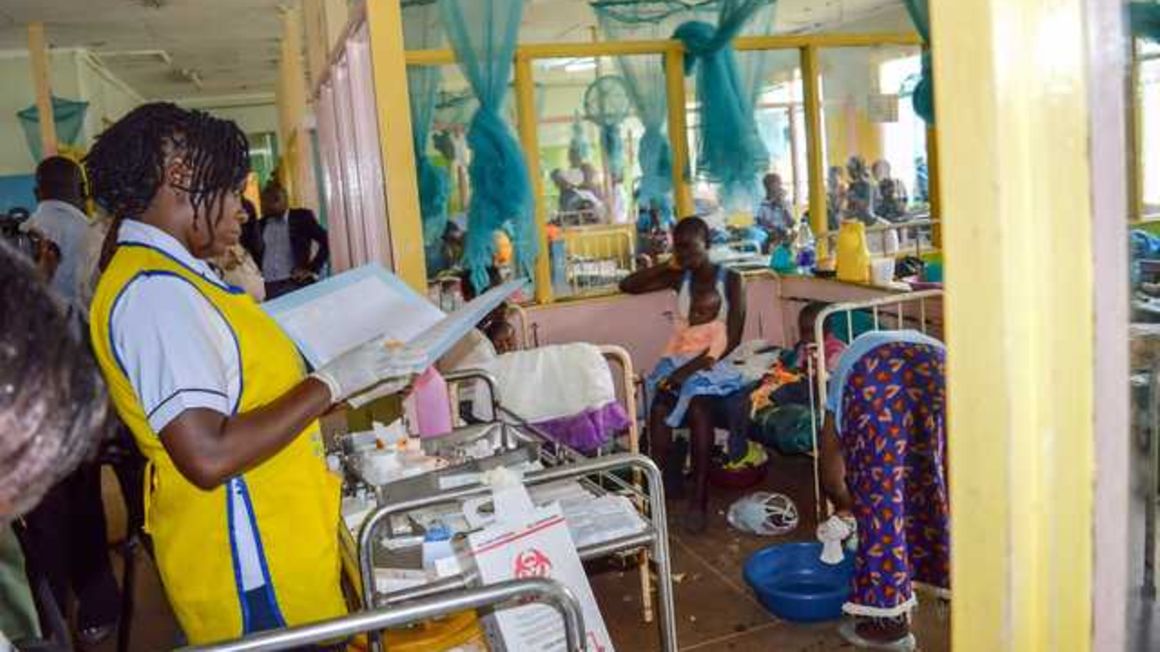
Kenya conducts study on two antimalarial drugs to confirm efficacy
-
 Loading...
 - Omondi Jelimo
- 28 Apr 2022
- 320 Views
- 0 Like
- 0 Comment
The antimalarial Therapeutic Efficacy Study began in March 2021 in Siaya and Bungoma counties in western Kenya. The study checked whether the first-line medicine for uncomplicated malaria (Artemether Lumefantrine, AL) and second-line (Dihydroartemisinin-Piperaquine, DHP) are still effective.
In the studies, clinicians evaluated how patients with uncomplicated malaria respond to treatment by observing and analysing their blood for the presence and quantity of parasites. The last study done in Kenya was in 2016.
George Githuka, the head of the Division of the National Malaria Programme (DNMP), said the country is following the World Health Organisation (WHO) recommendation to governments to run therapeutic studies once every two years.
No record of resistance
Dr Githuka said that Kenya has not recorded any resistance yet. However, scientists in other parts of the world have said that antimalarial medication is becoming less effective.
"Kenya has used Artemether-Lumefantrin and Dihydroartemisinin-piperaquine to treat malaria since 2006. We continue monitoring to ensure the drugs we are using are effective," he said.
Maureen Mabiria, a technical adviser and physician from PMI-Impact Malaria, said they chose the timing and the place for collecting the blood samples.
"We picked Siaya County because of the high drug pressure, in which a person can have as many as four to six bouts of malaria infections in a year and would be put on antimalarials," Dr Mabiria said.
Bungoma has low drug pressure, where people get less than two bouts of infections in a year.
Whenever a person gets malaria, a blood check would show the presence of parasites in the blood.
Dr Mabiria said an effective medication against malaria would clear the parasites in the blood; ineffective medication to which the parasite has developed resistance would not.
However, a patient exhibiting the presence of parasites after the treatment does not automatically mean that there is resistance.
"The Artemether Lumefantrine stays in the body for about 28 days, but patients leave the hospital and get bitten by mosquitoes and are re-infected," Dr Mabiria said.
She said it would be essential to know whether the parasites found in the blood a few weeks after treatment are due to a new infection, or if the antimalarial did not clear them due to resistance.
Other parts of the world, such as South East Asia, started reporting the first signs of resistance to artemisinin in the early 2000s. Read More…