King Charles III Faces a Reckoning on Empire in Africa
-
 Loading...
 - Lawrence Botchway
- 14 Sep 2022
- 76 Views
- 0 Like
- 0 Comment
What King Charles III Means for Africa
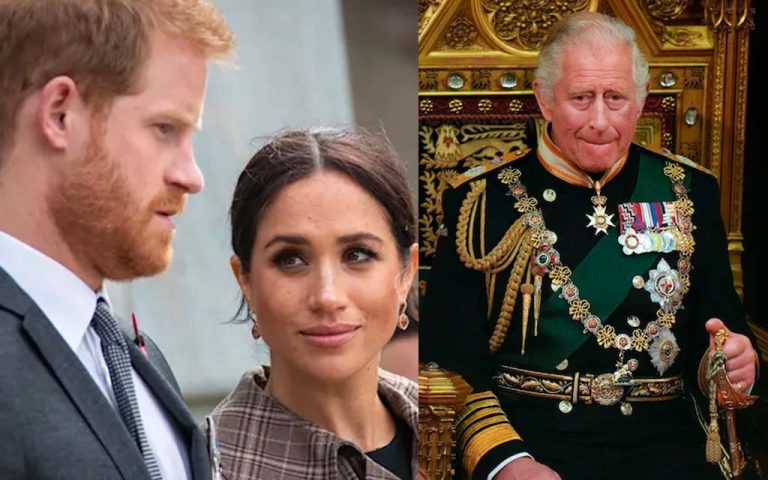
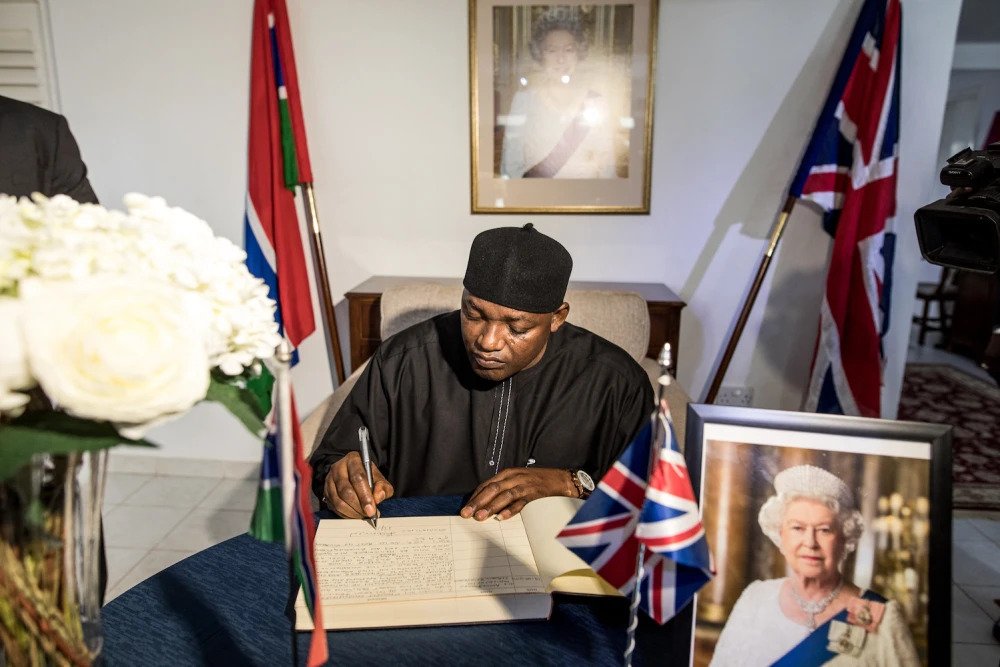
King Charles III was officially proclaimed Britain’s new monarch last Saturday in a ceremony laden with ancient pomp as many in former British colonies and elsewhere noted that the late Queen Elizabeth II had never spoken out or apologized for crimes committed under the British Empire.
Unlike Elizabeth, Charles has not always toed the line of neutrality in British politics. His “black spider” handwritten notes to government ministers from 2004 onward drew accusations that he would be a “meddling” monarch. In the documents, Charles lobbied on issues including expanding what is taught in English and history courses, supplying more equipment for troops in Iraq, and the plight of the Patagonian toothfish.
In contrast to his mother, Charles found it hard not to let slip comments that revealed his personal opinions. In June, Charles represented the queen at the Commonwealth summit in Rwanda’s capital of Kigali. Two weeks prior to his visit, the Times of London reported that he had called the British government’s plan to send asylum-seekers to Rwanda “appalling.” His alleged comments drew furor from British politicians because under the country’s modern constitution the monarch, as head of state, is ceremonial and royals must be impartial on state affairs.
Charles’s involvement in proceedings also marked the first time the Commonwealth had publicly acknowledged the legacy of slavery or, as he put it, “the roots of our contemporary association.” (The Commonwealth’s 56 member states consist of former British colonies, but others such as Rwanda have since opted to join.) “I cannot describe the depths of my personal sorrow at the suffering of so many, as I continue to deepen my own understanding of slavery’s enduring impact,” Charles said.
“If we are to forge a common future that benefits all our citizens, we too must find new ways to acknowledge our past. Quite simply, this is a conversation whose time has come,” he added. It was not the first time that Charles had remarked on Britain’s imperial past. In 2018, when visiting Ghana, he said the country’s role in the trans-Atlantic slave trade was an “atrocity.”
Making that statement in Ghana—the first African country (excluding North Africa) to gain its independence from colonial rule—is laden with symbolism. It was at the Fifth Pan-African Congress, held in England in 1945, that delegates such as Jomo Kenyatta, who would become Kenya’s first president, and Kwame Nkrumah, later Ghana’s first president, set the era of decolonization in motion, declaring that “if the Western world is still determined to rule mankind by force, then Africans, as a last resort, may have to appeal to force in the effort to achieve Freedom. … We are determined to be Free.”
Of course, the most talked-about point of Ghana’s history among British politicians is the queen’s iconic dance with Nkrumah, during a post-independence state visit in 1961, when posters advising “No blacks, no dogs, no Irish” were still being posted on doors in her own country. Read More...