Kiss Trawling In Tunisia Is Destroying Livelihoods, Culture And Important Marine Ecosystems”: New Report
-
 Loading...
 - Jude Baker
- 06 Apr 2023
- 65 Views
- 0 Like
- 0 Comment
The Gulf of Gabès in Tunisia has exceptional cultural, environmental and socio-economic importance, but its local traditions, economies and rich marine habitats are disappearing. A form of illegal bottom trawling, known locally as kiss trawling, is responsible. To protect this vital region, immediate action is needed to end kiss trawling, according to new investigations by the Environmental Justice Foundation (EJF) and FishAct.
Kiss trawling is causing sustained, severe damage to this biologically diverse ecosystem, say the NGOs. The gulf houses one of the largest remaining expanses of Posidonia oceanica. This seagrass, native to the Mediterranean, sequesters carbon at up to 70 times the rate of tropical forests, absorbing around 15-20% of Tunisia’s CO2 emissions. Additionally this vital seagrass is subject to regional protection under the Barcelona and Bern Conventions.
This seagrass also protects Tunisia’s coast from erosion, enhances water quality and serves as an important nursery area and habitat for many marine species, including endangered sharks, sea turtles and commercially-important fish. Consequently, this illegal kiss-trawling which endangers the meadows also poses a direct threat to the climate, to wildlife and to sustainable ocean economies, according to the report.
Bottom trawling is one of the most unselective and destructive forms of fishing, say the NGOs, and kiss trawling is no exception. Kiss trawlers are small vessels commonly under 10 metres in length operating in shallow waters. They use small mesh nets with bycatch levels of up to 95%, much of which is discarded.
Despite being illegal under Tunisian law, kiss trawling is practised openly with little effort to hide these operations. The practice has multiplied over the past decade, with the number of trawlers increasing by over a third between 2018-2022, the investigations find. EJF investigators documented kiss trawling at around one nautical mile from the shore, in apparent contravention of regional management measures aimed at conserving vulnerable sharks and rays implemented by the General Fisheries Commission for the Mediterranean (GFCM).
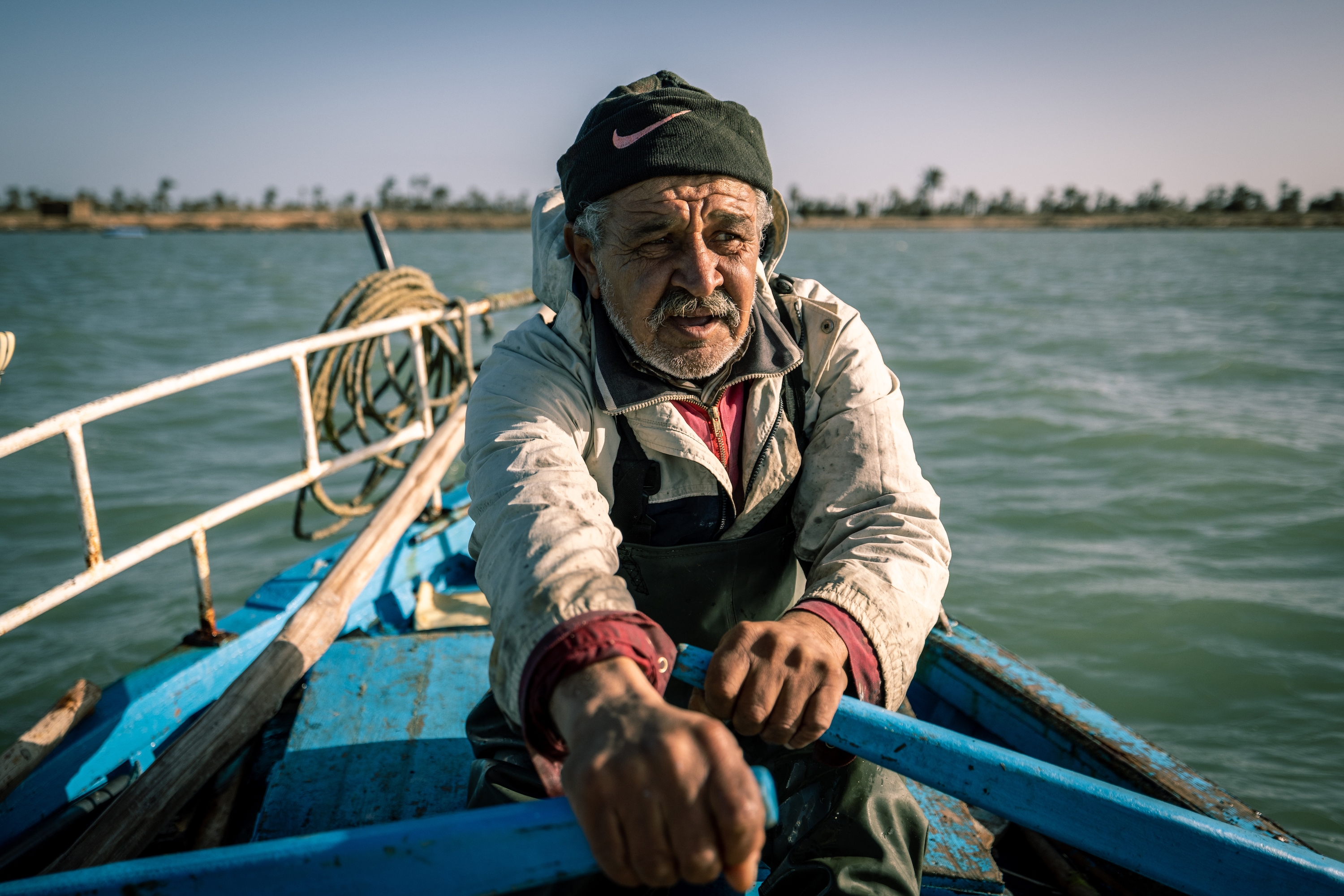
Artisanal fishers report that they cannot compete with kiss trawlers. Charfia fishing, a traditional method unique to the Kerkennah Islands which was included in the UNESCO Representative List of Intangible Cultural Heritage of Humanity in 2020, is a low-impact form of fishing which has been passed from generation to generation. Read More…