Home Upload Photo Upload Videos Write a Blog Analytics Messaging Streaming Create Adverts Creators Program
Bebuzee Afghanistan Bebuzee Albania Bebuzee Algeria Bebuzee Andorra Bebuzee Angola Bebuzee Antigua and Barbuda Bebuzee Argentina Bebuzee Armenia Bebuzee Australia Bebuzee Austria Bebuzee Azerbaijan Bebuzee Bahamas Bebuzee Bahrain Bebuzee Bangladesh Bebuzee Barbados Bebuzee Belarus Bebuzee Belgium Bebuzee Belize Bebuzee Benin Bebuzee Bhutan Bebuzee Bolivia Bebuzee Bosnia and Herzegovina Bebuzee Botswana Bebuzee Brazil Bebuzee Brunei Bebuzee Bulgaria Bebuzee Burkina Faso Bebuzee Burundi Bebuzee Cabo Verde Bebuzee Cambodia Bebuzee Cameroon Bebuzee Canada Bebuzee Central African Republic Bebuzee Chad Bebuzee Chile Bebuzee China Bebuzee Colombia Bebuzee Comoros Bebuzee Costa Rica Bebuzee Côte d'Ivoire Bebuzee Croatia Bebuzee Cuba Bebuzee Cyprus Bebuzee Czech Republic Bebuzee Democratic Republic of the Congo Bebuzee Denmark Bebuzee Djibouti Bebuzee Dominica Bebuzee Dominican Republic Bebuzee Ecuador Bebuzee Egypt Bebuzee El Salvador Bebuzee Equatorial Guinea Bebuzee Eritrea Bebuzee Estonia Bebuzee Eswatini Bebuzee Ethiopia Bebuzee Fiji Bebuzee Finland Bebuzee France Bebuzee Gabon Bebuzee Gambia Bebuzee Georgia Bebuzee Germany Bebuzee Ghana Bebuzee Greece Bebuzee Grenada Bebuzee Guatemala Bebuzee Guinea Bebuzee Guinea-Bissau Bebuzee Guyana Bebuzee Haiti Bebuzee Honduras Bebuzee Hong Kong Bebuzee Hungary Bebuzee Iceland Bebuzee India Bebuzee Indonesia Bebuzee Iran Bebuzee Iraq Bebuzee Ireland Bebuzee Israel Bebuzee Italy Bebuzee Jamaica Bebuzee Japan Bebuzee Jordan Bebuzee Kazakhstan Bebuzee Kenya Bebuzee Kiribati Bebuzee Kuwait Bebuzee Kyrgyzstan Bebuzee Laos Bebuzee Latvia Bebuzee Lebanon Bebuzee Lesotho Bebuzee Liberia Bebuzee Libya Bebuzee Liechtenstein Bebuzee Lithuania Bebuzee Luxembourg Bebuzee Madagascar Bebuzee Malawi Bebuzee Malaysia Bebuzee Maldives Bebuzee Mali Bebuzee Malta Bebuzee Marshall Islands Bebuzee Mauritania Bebuzee Mauritius Bebuzee Mexico Bebuzee Micronesia Bebuzee Moldova Bebuzee Monaco Bebuzee Mongolia Bebuzee Montenegro Bebuzee Morocco Bebuzee Mozambique Bebuzee Myanmar Bebuzee Namibia Bebuzee Nauru Bebuzee Nepal Bebuzee Netherlands Bebuzee New Zealand Bebuzee Nicaragua Bebuzee Niger Bebuzee Nigeria Bebuzee North Korea Bebuzee North Macedonia Bebuzee Norway Bebuzee Oman Bebuzee Pakistan Bebuzee Palau Bebuzee Panama Bebuzee Papua New Guinea Bebuzee Paraguay Bebuzee Peru Bebuzee Philippines Bebuzee Poland Bebuzee Portugal Bebuzee Qatar Bebuzee Republic of the Congo Bebuzee Romania Bebuzee Russia Bebuzee Rwanda Bebuzee Saint Kitts and Nevis Bebuzee Saint Lucia Bebuzee Saint Vincent and the Grenadines Bebuzee Samoa Bebuzee San Marino Bebuzee São Tomé and Príncipe Bebuzee Saudi Arabia Bebuzee Senegal Bebuzee Serbia Bebuzee Seychelles Bebuzee Sierra Leone Bebuzee Singapore Bebuzee Slovakia Bebuzee Slovenia Bebuzee Solomon Islands Bebuzee Somalia Bebuzee South Africa Bebuzee South Korea Bebuzee South Sudan Bebuzee Spain Bebuzee Sri Lanka Bebuzee Sudan Bebuzee Suriname Bebuzee Sweden Bebuzee Switzerland Bebuzee Syria Bebuzee Taiwan Bebuzee Tajikistan Bebuzee Tanzania Bebuzee Thailand Bebuzee Timor-Leste Bebuzee Togo Bebuzee Tonga Bebuzee Trinidad and Tobago Bebuzee Tunisia Bebuzee Turkey Bebuzee Turkmenistan Bebuzee Tuvalu Bebuzee Uganda Bebuzee Ukraine Bebuzee United Arab Emirates Bebuzee United Kingdom Bebuzee Uruguay Bebuzee Uzbekistan Bebuzee Vanuatu Bebuzee Venezuela Bebuzee Vietnam Bebuzee World Wide Bebuzee Yemen Bebuzee Zambia Bebuzee Zimbabwe
Blog Image

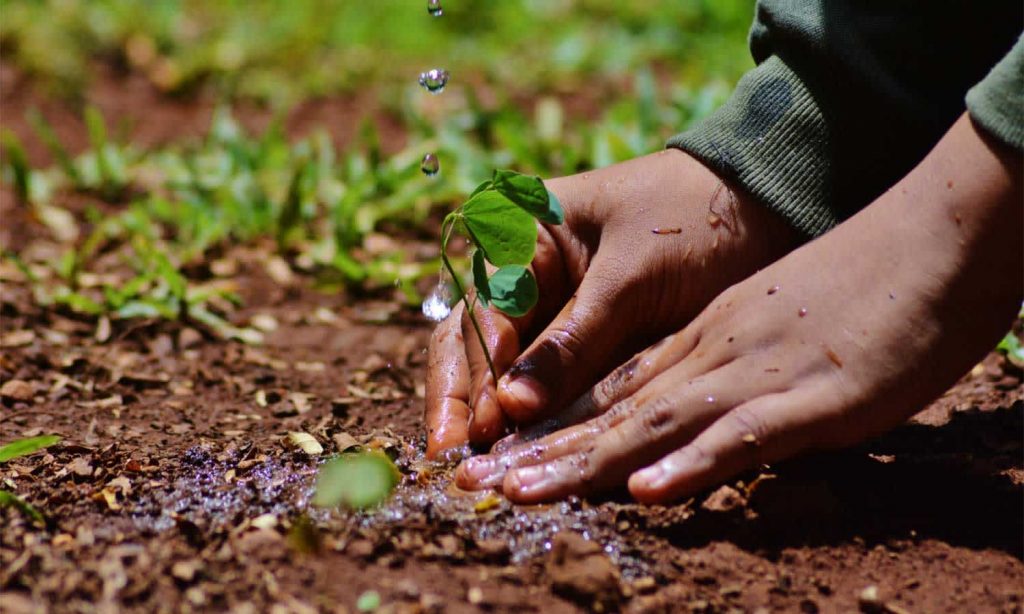
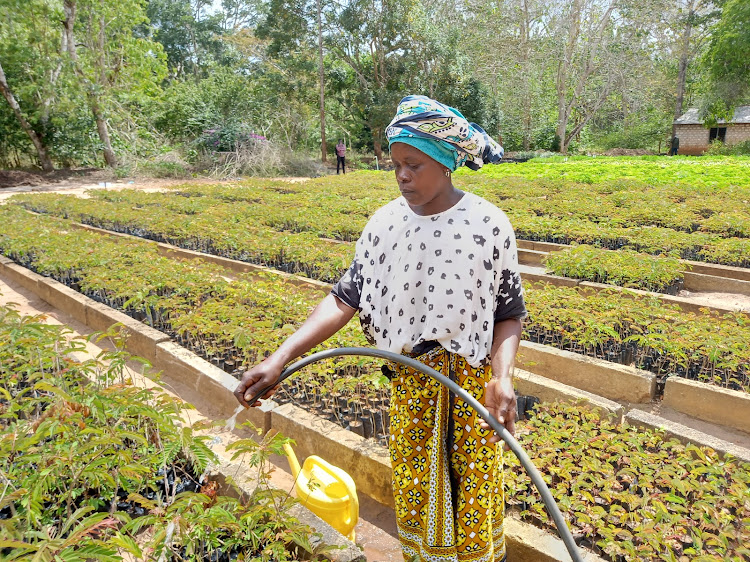
Kwale women plant trees, long for benign climate

It's the little things citizens do. That's what will make the difference. My little thing is planting trees, Nobel laureate Wangari Maathai said. 

Planting trees is also the little thing of a group of eight volunteers in Kwale.

It is 8am and a number of women are busy watering seedlings and weeding them at the Kenya Forest Service station in Kwale county.

Some are carrying babies on their backs.

Occasionally, one or two stand upright, hold their hands akimbo and take deep breaths. 

The air is fresh and they are surrounded by greenery. One would be forgiven for thinking the area receives adequate rains. 

But the sad reality is that outside the station, drought is wreaking havoc.

And the women have taken a step to fight it. 

Nunu Hassan, one of the eight women volunteering at Kwale KFS, says she started to conserve the environment following the increased effects of climate change.

Hassan says has chosen to sacrifice her time planting tree nurseries to avert more disasters.

"Climate change is threatening our existence. That's why I decided to do something before it's too late," she says.

We are already grappling with climate change, Hassan points out.

Take Kwale town, for instance, it used to have a benign climate but nowadays the coolness is no more, she adds. 

Illegal logging and charcoal burning have wiped out most of the county's forests. Charcoal burning thrives in Samburu, Kinango and Lunga Lunga subcounties.

Kwale KFS Ecosystem Conservator Maghanga Blessington says the region's forest coverage is at 5.2 per cent. 

Hassan and the other women believe they have an obligation to protect the environment and restore Kwale's once beautiful forests.

What they do

In partnership with KFS and Worldwide Fund for Nature - Kenya, the women are growing tree seedlings and managing tree nurseries.

They grow exotic and indigenous trees for the restoration of Shimba Hills Forest.

By December last year, they had grown 250,000 seedlings, says station manager Edwin Misachi.

The women developed a passion for environmental conservation while engaged in Kazi Mtaani where their task was tree planting.

When the programme ended, they chose to stay on as volunteers.

The women spend three hours daily taking care of the tree nurseries. 

This is a huge sacrifice as most of them are married and have school-going children to look after.

Fatuma Saidi says they wake up early to prepare their children for school before reporting to the station.

They prepare seedling beds and mix manure. "We inspect the seedlings each day to ensure the trees are growing correctly and healthy," Saidi says.

Some of the seedlings are sold to potential buyers to avoid losses.

Indigenous seedlings go for Sh15 each while the exotic species are sold for Sh10.

The remaining seedlings are planted in public and private forestland to help achieve 10 per cent forest cover.

The women are not the only ones involved in conservation. 

Mbodze Nyawa from Dzombo Adjacent Forest Community Association says they grow seedlings to fight climate change and generate income.

In 2018 they planted 6,000 seedlings, which earned them Sh221,000.

They sold the seedlings to WWF who gave them to Kwale forest communities to plant.

Currently, they are restoring Dzombo, Shimba Hills and Mangrove forests. Read More…

Previous Post

Timber traffic: The Missirah forest in controlled cutting

Next Post

How Austria banned everyone from the forest for 123 years

Comments