Learn How to Photograph Birds of Prey With These 5 Top Tips
-
 Loading...
 - Kesse Anim
- 16 May 2023
- 70 Views
- 0 Like
- 0 Comment
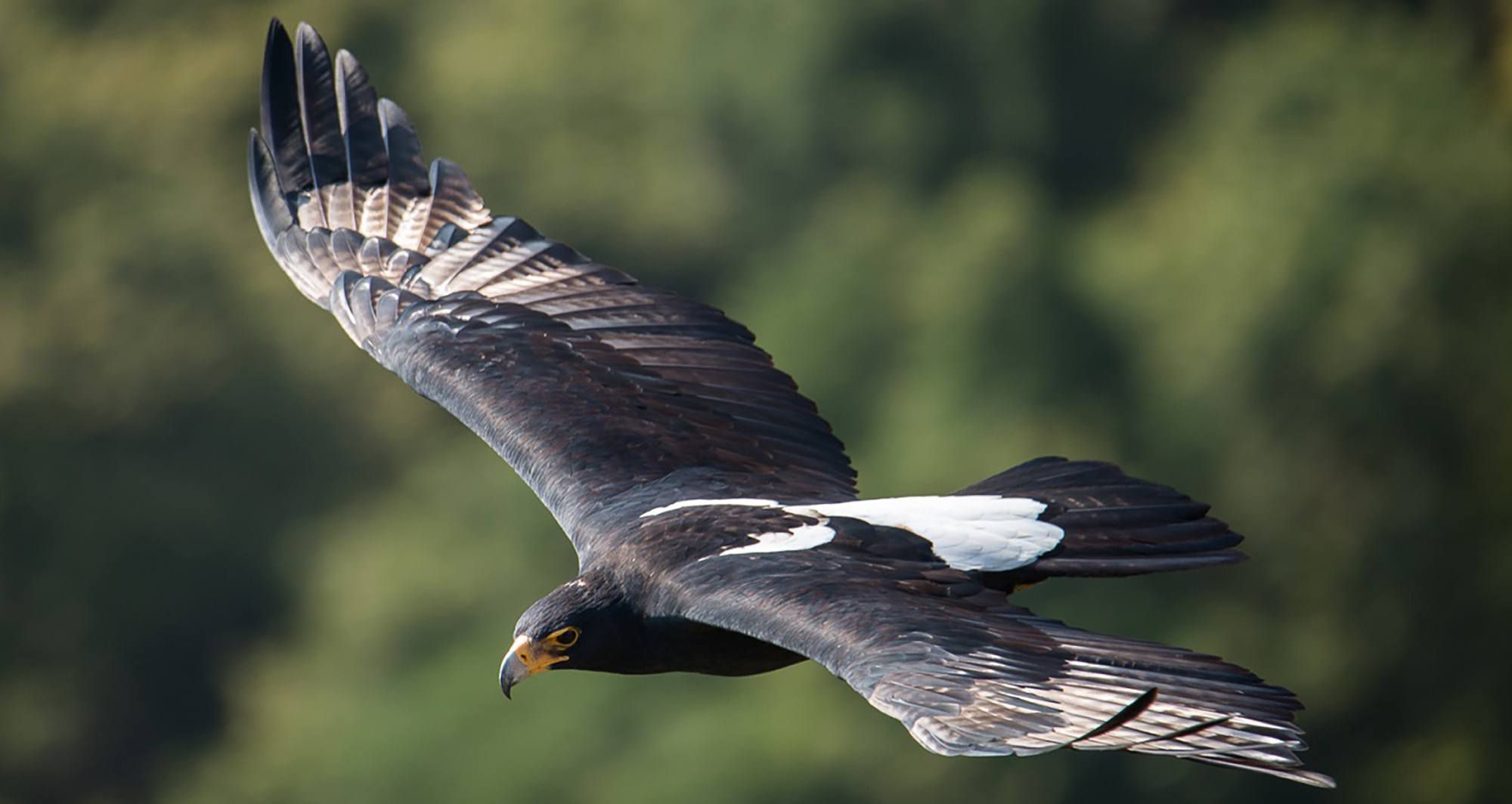
Photographing birds of prey can be a thrilling and rewarding experience for any wildlife photographer. Capturing the majesty and grace of these magnificent creatures requires a combination of patience, skill, and the right techniques. In this article, we will explore five top tips that will help you improve your bird of prey photography. So grab your camera and get ready to take flight!
1. Understand the Behavior of Birds of Prey
Birds of prey, such as eagles, hawks, and owls, have distinct hunting and flying patterns. To capture stunning photographs, it's essential to familiarize yourself with their behavior. Spend time observing them in their natural habitat, noting their flight patterns, perching spots, and feeding habits. By understanding their behavior, you can anticipate their movements and position yourself for the perfect shot.
2. Choose the Right Equipment
To photograph birds of prey effectively, you'll need the right gear. Here are some key equipment considerations:
- Camera and Lens
Invest in a camera with a high burst rate to capture fast movements. A DSLR or mirrorless camera with a fast autofocus system is ideal. Pair it with a telephoto lens to get closer to your subjects without disturbing them. A lens with a focal length between 300mm and 600mm will allow you to capture detailed shots from a distance.
- Tripod and Gimbal Head
Using a tripod with a gimbal head is essential for stability when photographing birds in flight. It allows smooth panning and tracking movements, keeping your images sharp and clear.
3. Master the Art of Patience
Photographing birds of prey requires patience and perseverance. These birds can be elusive and unpredictable, so it's crucial to be prepared to wait for the perfect moment. Find a comfortable spot, set up your equipment, and observe. Patience will reward you with incredible opportunities to capture stunning shots of birds of prey in their natural environment.
4. Study Lighting and Composition
Lighting plays a vital role in bird of prey photography. Golden hour, the period shortly after sunrise or before sunset, offers warm and soft light that enhances the beauty of your subjects. Position yourself with the light source behind you to illuminate the birds and bring out their vibrant colors.
When composing your shots, consider the rule of thirds. Place the bird of prey off-center to create a visually pleasing and balanced composition. Experiment with different angles and perspectives to add depth and interest to your images.
5. Practice and Experiment
Photography, like any skill, requires practice to improve. Spend time honing your techniques and experimenting with different settings and compositions. Try different shutter speeds to capture the motion of the birds' wings or freeze them in mid-air. Use a wide aperture to create a shallow depth of field, isolating the bird from the background for a stunning effect.
Frequently Asked Questions
Q: What is the best time of day to photograph birds of prey?
A: The best time of day for bird of prey photography is during the golden hour, shortly after sunrise or before sunset. The soft, warm light enhances the colors and adds a touch of magic to your images.
Q: Should I use a tripod when photographing birds of prey?
A: Yes, using a tripod is highly recommended, especially when photographing birds in flight. It provides stability and helps maintain sharpness in your images.
Q: How can I improve my autofocus for bird of prey photography?
A: To improve autofocus performance, use the continuous autofocus mode (AF-C) and select a single focus point. This allows you to track the bird's movements more accurately.