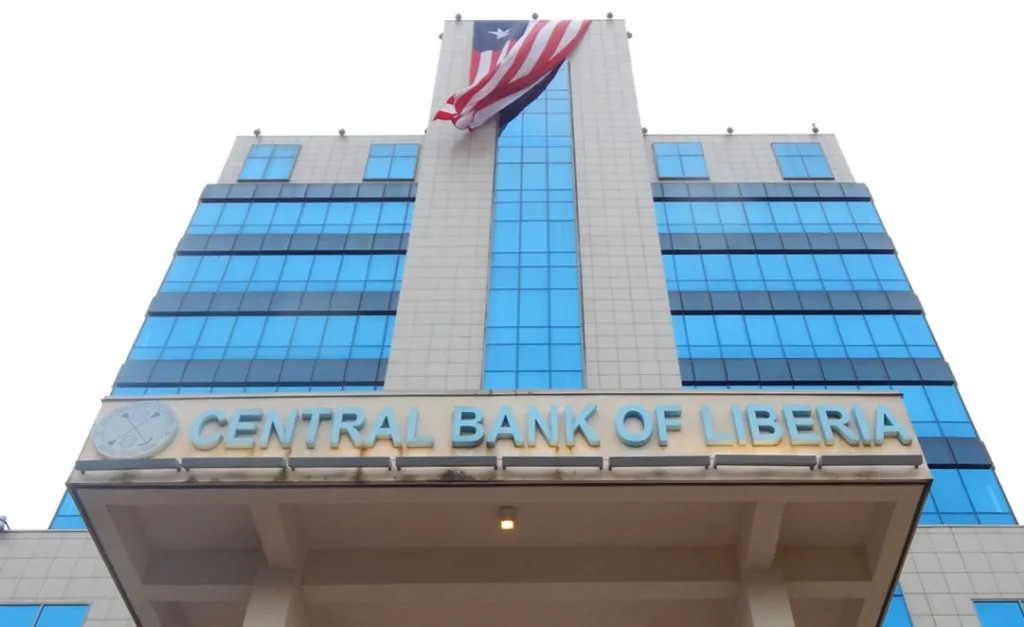
Liberia's Economy On Stable Course With Mixed Sectoral Performance
-
 Loading...
 - Sam Kwadwo
- 20 Dec 2024
- 67 Views
- 0 Like
- 0 Comment
Liberia's economy is on a stable trajectory, with a projected growth rate of 4.8% for 2024, an increase from 4.6% in 2023. This growth is primarily driven by robust performance in the primary sector, particularly in agriculture and fisheries, with notable increases in the production of staple crops such as rice, rubber, and cassava. The Central Bank of Liberia (CBL) attributes this positive trend to ongoing investments and government initiatives aimed at enhancing productivity and food security.
While the primary sector shows strong growth, the secondary and tertiary sectors have exhibited mixed performances. Nevertheless, the overall economic outlook remains optimistic, with expectations of a further increase to 5.6% growth in 2025. This anticipated growth is expected to be bolstered by continued investments in critical infrastructure, including electricity access, rural road development, and social programs under the government's ARREST Agenda.
The CBL has effectively managed inflation, keeping it within single digits. Inflation rates were recorded at 7.4% in Q2 and 6.8% in Q3 of 2024, with projections for Q4 at 7.6%. This moderation in inflation can be attributed to declining costs in essential sectors such as clothing, health, transportation, and education. To further stabilize the economy, the CBL has reduced the policy rate from 20% to 17%, fostering greater public confidence in the Liberian dollar and encouraging its use in business transactions.
The banking sector in Liberia has shown resilience, with total deposits surpassing L$200 billion and profits after tax reaching L$7 billion by October 2024. The presence of nine commercial banks, along with various microfinance and fintech institutions, underscores the sector's growth. Additionally, remittance inflows have increased by 14.7%, and the trade deficit has narrowed, indicating improvements in the external sector.
The CBL has also secured a $6 million credit line from the World Bank through the Liberia Investment Finance and Trade (LIFT) project, aimed at supporting Micro, Small, and Medium Enterprises (MSMEs). This initiative is expected to enhance job creation and stimulate private-sector growth, with disbursements commencing in October 2024.
In September 2024, the CBL implemented operational reforms to streamline costs, including a reduction in personnel expenses. The Bank has also introduced L$32.56 billion in newly printed banknotes to ensure liquidity and reduce reliance on outdated currency. The CBL's commitment to transparency is reflected in its proactive response to audit recommendations from the General Auditing Commission, addressing 55% of the issues raised.
Despite the positive economic indicators, Liberia faces several challenges, including global geopolitical tensions stemming from the Russia-Ukraine conflict and the Israel-Hamas crisis, as well as unfavorable commodity price trends. Additionally, international reserves remain below the recommended three months' import coverage, necessitating ongoing efforts to rebuild these reserves.
The CBL's proactive policies, including digitization initiatives and reforms to the CBL Act, are expected to strengthen financial governance and improve service delivery. The Bank's efforts in 2024 have played a crucial role in maintaining economic stability and fostering growth in Liberia. With a strategic plan for 2025-2029 aligned with the national development agenda, the CBL is well-positioned to navigate challenges and seize opportunities in the medium term, ensuring continued progress for Liberia's economy.