Living on the edge: Small mammals in threatened, biodiverse hotspot hold clues for conservation
-
 Loading...
 - Colman Gilsel
- 13 Feb 2023
- 82 Views
- 0 Like
- 0 Comment
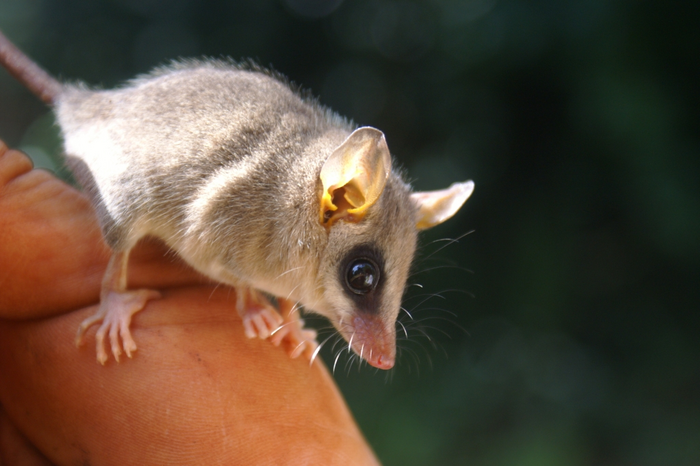
Rapid deforestation in eastern Paraguay is changing the region’s subtropical ecosystems, creating a fragmented landscape of forest remnants. Along the edges between the disappearing forests and new soy farms, species from both habitats collide in novel interactions. A study from DePaul University researcher Noé de la Sancha models new dimensions of biodiversity among small mammal populations, as a function of how far they dwell from the forest’s edge. The research is published in the journal Diversity and Distributions.
The findings could be important for conservationists and epidemiologists following disease risks as humans, livestock and exotic animals interact along these border areas. “It’s more important than ever, as people are living closer to these forest patches, that we understand what is happening to small mammal populations,” said de la Sancha, an assistant professor of environmental science and studies.
The study includes models that compare several diversity metrics for small mammals, all related to distance to the edge of the forest (DTE). The team charted phylogenetics (comparing how closely species are related); functions (what an animal does, such as eating); richness (the number of different species found in one area); and abundance (the prevalence of a single species).
“Edge-effects have been widely studied, but not as much is known about small mammal populations in eastern Paraguay. We are still discovering why ecological changes favor some species over others, particularly related to functional and phylogenetic differences,” said de la Sancha.
Researchers sampled a gradient from the interior of mature forest remnants towards their edges. They established replicated trapping grids and used high-resolution satellite imagery to measure the distance of each trap from the edge of the forest. Studying small, non-flying mammals has its advantages, explained de la Sancha. They are easier to trap and trace, measure and gather. They have short lifespans, high levels of diversity and importance within an ecosystem. Read More…