Long-necked dinosaur fossil found by Argentine scientists is one of biggest ever
-
 Loading...
 - Anton Hikipaa
- 18 May 2023
- 88 Views
- 0 Like
- 0 Comment
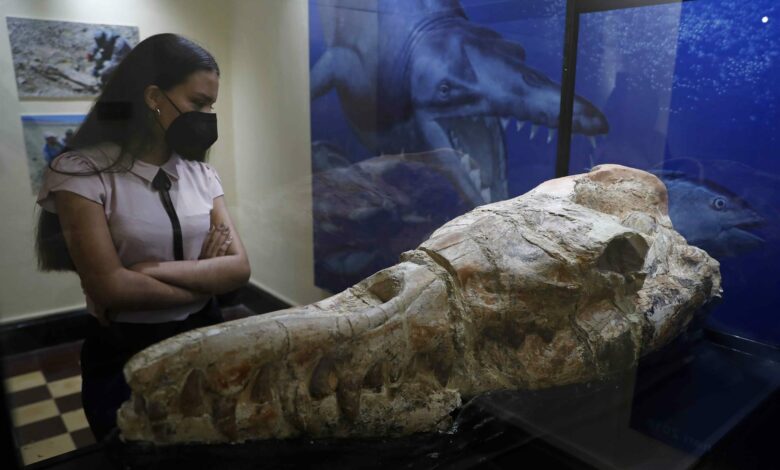
Argentinian paleontologists have made an extraordinary finding in the southern Patagonia region. They have unearthed the remains of a colossal new species of herbivorous dinosaur with an impressively long neck, ranking it among the largest ever discovered. The discovery took place in the Pueblo Blanco Nature Reserve and was initially made by scientists back in 2018. The dinosaur's bones were so enormous that they caused the van transporting them to tip over on its way to a laboratory in Buenos Aires. Thankfully, no injuries occurred, and the remains remained intact.
The paleontologist in charge, Nicolas Chimento, shared that they decided to name the dinosaur "Chucarosaurus Diripienda," which translates to "hard-boiled and scrambled." This choice was inspired by the fact that the bones had tumbled and survived the accident. Weighing an astonishing 50 tonnes and measuring 30 meters in length, the Chucarosaurus is the largest dinosaur ever found in the mountainous Rio Negro province. This magnificent creature inhabited the Earth during the Late Cretaceous period, coexisting with predators, fish, and sea turtles.
The femur bone of the Chucarosaurus was an extraordinary piece, spanning 1.90 meters in length. It had to be split into three parts, each weighing over 100 kilograms. Lifting such a massive bone required the effort of at least three individuals. According to scientists, Patagonia was a habitat for the world's largest plant-eating dinosaurs, including the colossal Patagotitan mayorum, the largest dinosaur ever discovered. However, the reason behind the rapid growth and continuous growth throughout their lives of these species remains a mystery.

Matias Motta, another paleontologist involved in the study, mentioned that while the Chucarosaurus shares its immense size and weight with other Patagonian giants, its hip structure, forelimbs, and hindlimbs indicate a more slender and graceful physique. Argentina has proven to be a treasure trove of dinosaur discoveries, with around 140 different species identified. The country ranks among the top three nations globally for dinosaur research and discoveries, alongside China and the United States.
The research was conducted by scientists from the Bernardino Rivadavia Museum of Natural Sciences, the Azara Foundation, and the national research council Conicet, with support from the National Geographic Society.