Luxury Design Ideas To Elevate Your Space
-
 Loading...
 - Kelly Jones
- 06 May 2022
- 300 Views
- 0 Like
- 0 Comment
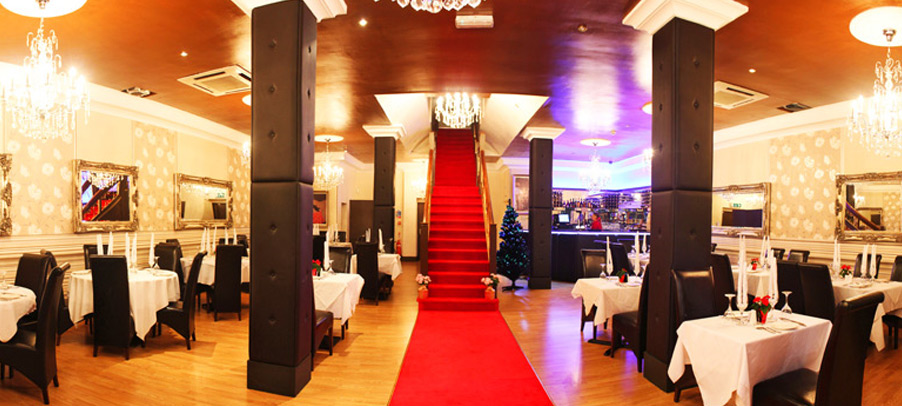
Perfectly designed layers of light are the ultimate essential finishing touch to define the mood of your space. But how do designers achieve the goal of luxury lighting? The quality of the fixtures themselves have major impact on whether or not you achieve the impression of luxury and elevated design. A sophisticated look requires full attention not only to the quality of light that plays out over your well chosen surfaces and the shapes of your space but also to the lines, placements, styles, and materials of the fixtures themselves.
Six Principals Behind Luxury Light Design
Luxury is not just about the expense of your fixtures. A coordinated and well-thought-through lighting design is a must when it comes to luxury interior design. The proper lighting scheme will effectively bring out the desired ambiance of the space. The following five guiding principles of luxury lighting will help you infuse luxury into your lighting design:
1. Prioritize Material Selection
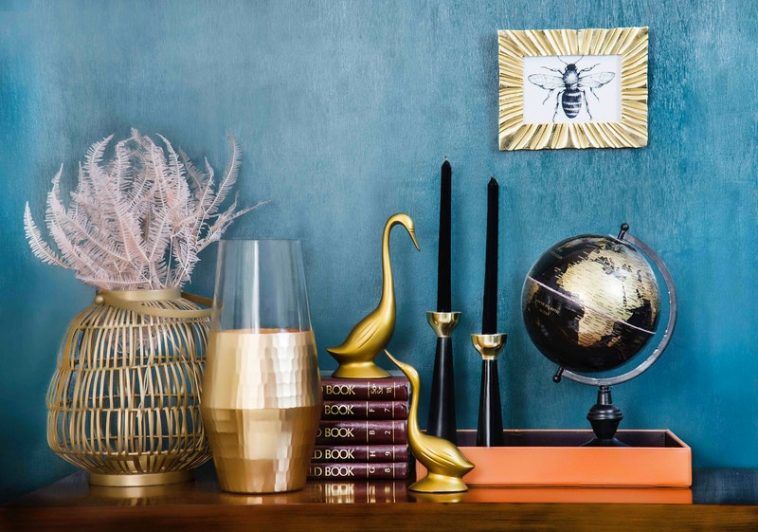
Luxury interior lighting employs high-quality, refined materials. Look for high value metals – the sleek and flawless finishes of highly polished surfaces such as gold, brass, chrome, copper, silver speak to top flight classic luxury, while the stark intensity of industrial gauge stainless steel imparts fittings with a more futuristic look.
Decorative details like crystal, precious jewels, and crafted glass add a sensory level speaking of affluence and lavishness into the décor. Obviously, the nature of crystal and glass is that light is enhanced and refracted throughout, which calls attention from across the room to the fixture itself. Therefore, luxury lighting often incorporates glass shades or baubles in the embellishment of the fixtures, not only to disperse the light.
2. Search for Unique Pieces
Luxury interior fixtures looks for exceptional design, with a premium for handcrafted pieces from small foundries run by crafters. One sense of luxury is uniqueness. Bespokeness. Luxury is assumed when fixtures are unique or seldom seen.
Here are some guidelines for working with unique pieces:
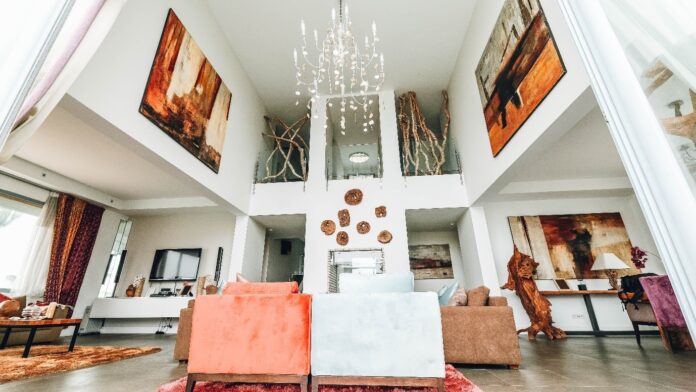
Go Big – a fixture of outstanding size can catch the eye.
Go Vintage – a rare, ornate design – whether as a contrast or because it enhances.
Go Pure – a simple and classic look that is not plain works well in minimal or modern design.
Go Glitz – even on a budget, sometimes the best splurge can be that one exclusive and timeless piece rather than many ordinary and insipid or substandard fixtures.

3. Focus on Aesthetics, Mood, and Style
Layers of light and illumination are mandatory considerations in lighting design. But the wow factor of luxury lighting requires that the fixtures fit into the decorating scheme, or even serve as the crowning element. Choices of luminaire must always be made with an overall goal of aesthetic seamlessness.
What fixture will complement your overall design style? Luxury can be classical, contemporary, modern, minimalistic, cultural, or traditional; your light fittings and fixtures must fit your style without looking invasive. Light fixtures can add harmony in the décor, and this goal is fundamental to fixture choice.
4. Coordinate Artificial with Natural Daylight
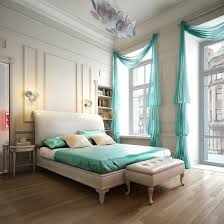
Luxury interior design also depends largely on the architectural fundamentals of a room. Luxury in large part depends on space: large spaces, filled with daylight give a fresh and airy feel. Large windows and glazed doors characterize luxurious interior architecture. Lighting design needs to account for natural light, but also needs to calculate the different times of day, site location, climate, and orientation of the building. Designers need to understand how much and what type of adjustable artificial lighting will be required to supplement the natural daylight to the required illuminance levels of the space.
Remember it is the correct use of artificial light in accent lighting also affects the mood and experience of the space. Read More...