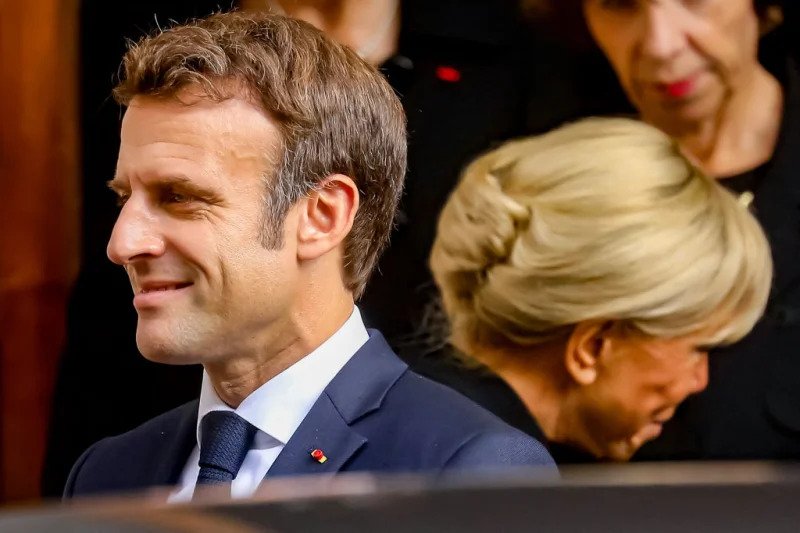
Macron Faces a Serious Political Struggle in France
-
 Loading...
 - Ervin Sera
- 03 Nov 2022
- 74 Views
- 0 Like
- 0 Comment
This is not an easy time to lead a government. Right-wing challengers have taken power in Italy and Sweden. Brazil’s Jair Bolsonaro was defeated by a leftist former President. Rishi Sunak is Britain’s third Prime Minister in seven weeks. Joe Biden’s Democrats are bracing for a tough election night next month. All over the world, democracies face anti-incumbent anger.
In France, meanwhile, President Emmanuel Macron had hoped to buck this trend. In April, he became the first chief executive to win re-election in his country in 20 years. Last year’s retirement of German Chancellor Angela Merkel provided him an opportunity to act as Europe’s lead statesman. His idea for a 44-nation “European Political Community,” which held its first meeting in October, is meant to give Europe a strategic unity (and independence of action from Washington) that Macron and many of his French predecessors have dreamed of for decades—even in the face of Russia’s invasion of Ukraine.
Yet once again Macron finds himself bogged down with domestic political resentments. Right-wing parties point an accusatory finger at his globalist vision of France’s future. Politicos and activists on the left say he’s a king who cares nothing for the struggles of working people.
The most recent confrontation comes from strikes called by the militant trade group Confédération Générale du Travail (CGT), the second largest of France’s trade federations. The CGT has called a one-day strike, with more to follow in coming weeks, across multiple economic sectors, to protest the government’s unwillingness to help the public cope with the country’s high cost of living. The CGT is especially furious that the government used a constitutional maneuver to force striking oil-refinery workers back on the job earlier in October. Read More...