Maha Shivaratri: The Night of Divine Awakening

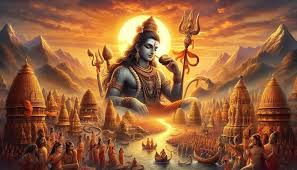
Maha Shivaratri, the grand festival dedicated to Lord Shiva, is one of the most significant Hindu festivals celebrated across India and beyond. Observed on the 14th night of the lunar month of Phalguna (February-March), this sacred night is a time of deep devotion, fasting, meditation, and spiritual awakening.
The Significance of Maha Shivaratri
Maha Shivaratri, which translates to "The Great Night of Shiva," holds immense spiritual significance. According to Hindu mythology, this is the night when Lord Shiva performed the cosmic dance of creation, preservation, and destruction. It is also believed to be the night when Shiva married Goddess Parvati, symbolizing the union of the divine forces.
Rituals and Traditions
Devotees observe Maha Shivaratri with great reverence and devotion. The day is marked by fasting, temple visits, and special prayers. Some of the major rituals include:
Fasting: Many devotees observe a strict fast, consuming only fruits, milk, and water. Some even observe a Nirjala Vrat (fast without water).
Night-long Vigil (Jagaran): Devotees stay awake throughout the night, chanting mantras, singing bhajans, and meditating upon Lord Shiva.
Rudra Abhishekam: The Shiva Lingam is bathed with holy offerings such as milk, honey, curd, ghee, and sacred water while chanting Vedic hymns.
Offering Bilva Leaves: The sacred Bilva (Bael) leaves are offered to Lord Shiva, as they are believed to be his favorite.
Chanting of Om Namah Shivaya: The powerful Panchakshari mantra (Om Namah Shivaya) is recited to invoke Shiva’s blessings.
Visiting Shiva Temples: Devotees flock to temples like Kashi Vishwanath (Varanasi), Somnath (Gujarat), Kedarnath (Uttarakhand), and many others to seek divine blessings.
Spiritual Significance
Maha Shivaratri is not just about rituals; it is a night of introspection, self-discipline, and spiritual elevation. It is believed that sincere prayers on this night cleanse one of past sins, leading to liberation (moksha). Many spiritual seekers and yogis meditate deeply on this occasion, considering it an auspicious time to connect with higher consciousness.
Celebrations Across India
Different regions of India have unique ways of celebrating Maha Shivaratri. In Tamil Nadu, grand celebrations take place at the Thillai Nataraja Temple in Chidambaram. In Kashmir, Shaivite traditions are deeply observed. In Varanasi, the ghats and temples come alive with magnificent festivities. Devotees across Nepal, Sri Lanka, and Mauritius also celebrate this festival with devotion.
Conclusion
Maha Shivaratri is more than just a festival—it is a spiritual journey. Whether through fasting, meditation, or offering prayers, this night offers an opportunity for devotees to seek divine grace and inner transformation. As the chants of "Har Har Mahadev" resonate in the air, devotees immerse themselves in the divine energy of Lord Shiva, embracing peace, wisdom, and devotion.
May this Maha Shivaratri bring peace, prosperity, and enlightenment to all! Om Namah Shivaya!