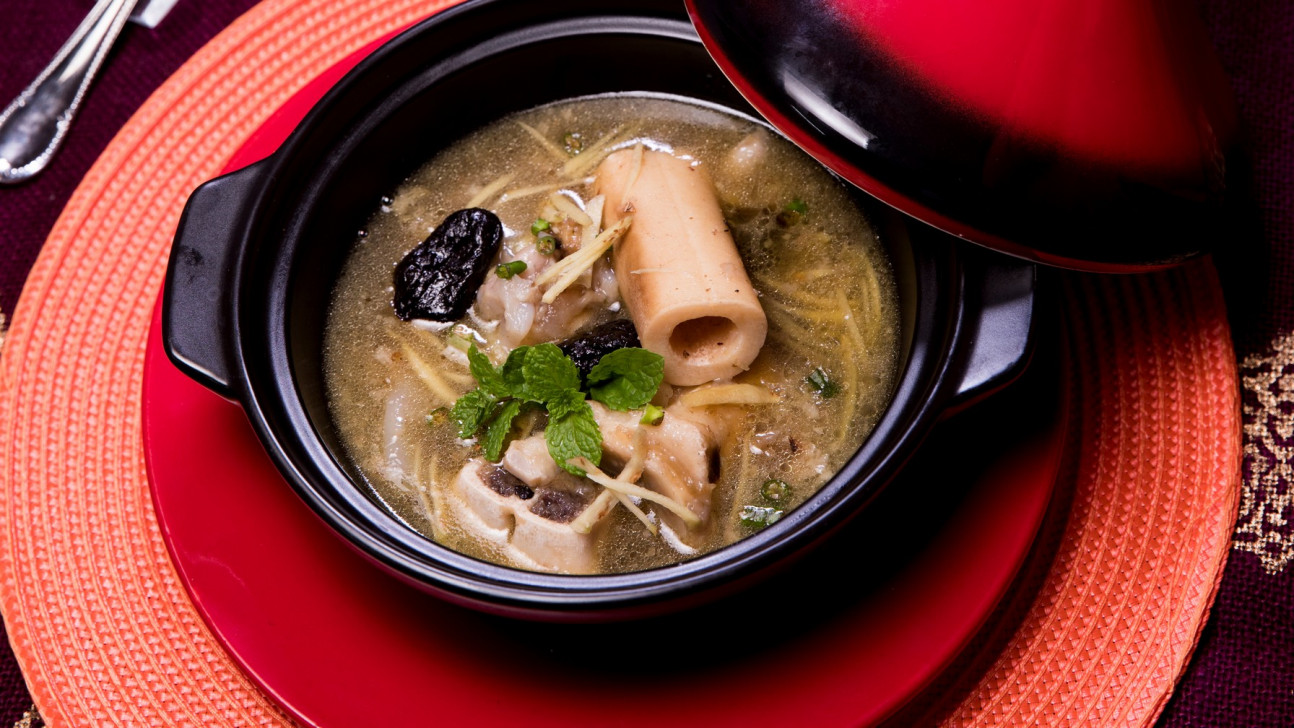
Make simple but traditional beef dishes this Eid
-
 Loading...
 - Aarvi Chakma
- 05 Aug 2022
- 87 Views
- 0 Like
- 0 Comment
Asadgate New Colony woke up to a festive buzz every Shab-e-Barat from 1975 to the mid 80's, but a large part of this excitement was not about the expected halwa-rotis, rather for beef. Portions of cow meat were sold at the large field of the colony very early in the morning, the entire thing organised by the boys of the colony. Most families would buy meat from there, and families enjoyed that mixed meat preparation with rice flour rotis; the delicious taste still fresh in my memory.
My father would say "Jhal e jhosh-e ranna koro" or to cook it with a lot of red masala and oil. Actually, when beef is cooked with various parts of the animal mixed together, like that from the head, rump, leg, ribs and lungs, it was a very different taste from the usual curries.
The roasted spleen
This one time, we had gone to the village to celebrate Eid with family. After all the Qurbani meat was portioned, my cousin came up, holding something odd and said, "Tillikhan pora ewar nageche," meaning that the spleen had to be burnt. I was quite surprised at what sort of food was this!
Then I saw my grandmother take the tilli, or spleen, wash and clean it, and then put it inside the earthen stove to roast, along with some green chillies and garlic cloves. Once roasted, she mashed all the ingredients along with coriander leaves on a mortar and pestle. Then, adding some freshly cut onions and mustard oil, and gave it to us to eat. There I learned that spleen could be prepared like that, and since then have been roasting it on a pan to make something similar for myself.
Not just the bhorta
That's not the only way spleen is prepared though. It can also be cooked as a "bhuna." For that, it has to be cut into small pieces and boiled, and the water discarded after. You can add liver into the mix too. Once boiled, it has to be sauteed in a little bit of oil, salt and bit of turmeric. Add ginger, garlic, and cumin, and keep stirring until the oil separates, when you need to add a lot of whole garlic cloves. Cook on low heat so that the garlic cloves cook through. Add it some freshly chopped onions right before taking off the heat.
A lot of people don't like cow intestines, but there are many others who find it delicious. A lot of hotels also serve it now. The longer it is cooked, the tastier it becomes. I had its tastiest preparation in Rajshahi, with the locally famous Kalai ruti. Digging into steaming fresh kalai ruti and delicious hot intestines sat on wooden benches by the roadside remains unforgettable.
People even cook dishes with the meat from the cow's teats. Most kabab shops sell "Khiri kabab," but in the northern regions like Rangpur and Dinajpur, people make bhuna with this type of meat cut into small pieces, and it is much tastier than kababs, I found.
The same applies to cow brains. Brain kababs and cutlets are more popular commercially, but at home, usually brains are also cooked as bhunas. The brain bhuna from Najirabazar remains fresh on our minds, just as we ate it as students in the 80s.
Buffalo is meat too
Most people do not like buffalo meat, but it is being sold in many butcher shops, and we end up eating it without knowing the difference. It is also favoured for Eid-ul-Azha sacrifice in the northern regions. It is also sold commercially plainly, without deception. But aunties say that there is a trick to cooking buffalo meat well— the pieces should be small, and cooked for longer than beef. The longer it boils over a flame, the tastier it becomes.
I got proof of this at some hotel in Karwan Bazaar. The meat is put to cook in the pot in the morning, and stays on the low flame all through the day. At night, truckers with their vehicles full of goods stop by for dinner, and enjoy that meat with the rice or paratha served at the hotel. The menu openly states that it is, in fact, buffalo meat. This preparation is also quite delicious!. Read More...