Malaysia travel guide: the true Asia, two ways

Malaysia's "Malaysia, Truly Asia" tourism slogan lives up to the hype by combining a city break in Kuala Lumpur with island relaxation on Langkawi for the best of multicultural Malaysia. To say that one country encompasses the world's largest continent is quite an assertion. The sheer vibrancy of this multicultural peninsula, where worshippers pray in temples dotted among towering skyscrapers and mischievous "mafia" monkeys prey on tourists who don't intend to, is something that no tagline could possibly convey.
Why you should go to Malaysia Malaysia is known as "Asia's Melting Pot" because it is where the Indian Ocean and the South China Sea meet. The population is made up of three main ethnic groups because of centuries of trade and colonization: Malays, Chinese, and Indians
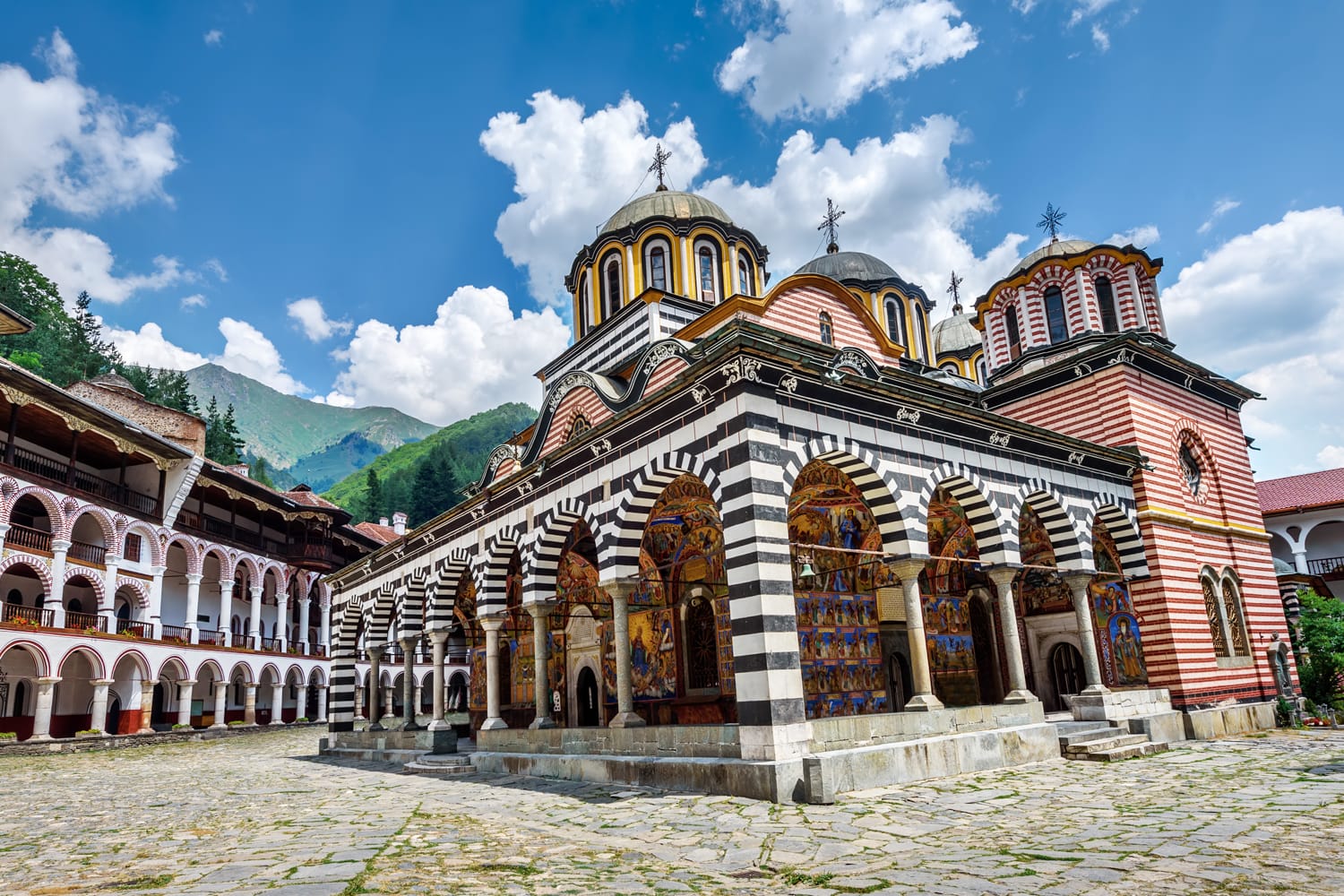
Head to Kuala Lumpur for a concentrated taste of the resulting rich cultural stew. The Malaysian capital, which was ranked sixth on the world's most visited places list last year, is a jumble of Michelin-starred restaurants and street food stands, elegant malls and outdoor markets, and famous landmarks like the Petronas Twin Towers.
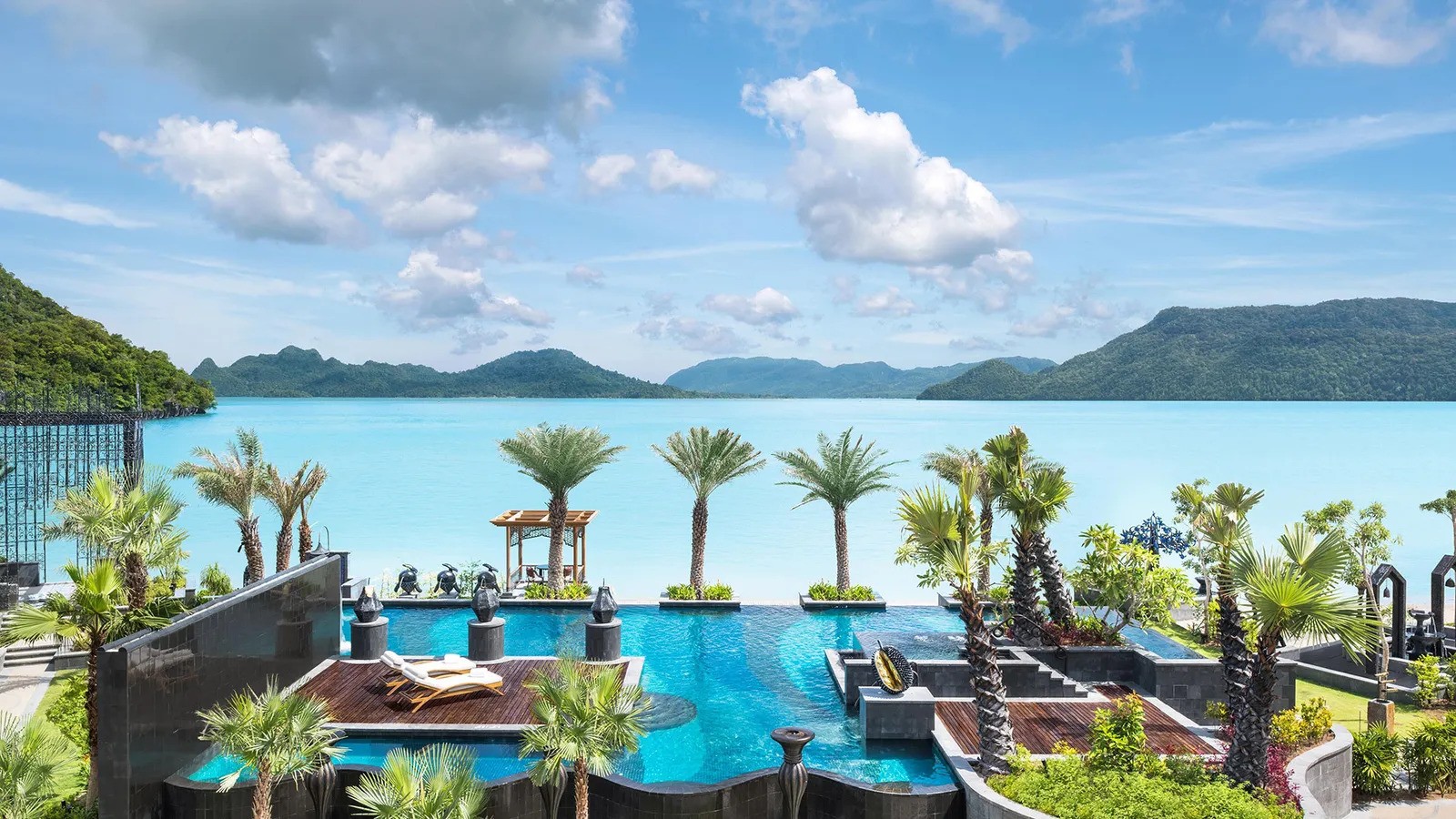
While Kuala Lumpur has its share of beautiful green spaces, you'll need to travel further afield to see Malaysia's golden beaches and tropical rainforests. Langkawi, an archipelago of 99 islands off the northwest coast of the country, can be reached by plane in an hour from the capital. There are approximately 100,000 people living on the main island, which is also known as Langkawi. These numbers are rising as a growing number of tourists visit.
However Langkawi isn't over-created: In 2007, it was made a Unesco Global Geopark, which encouraged geotourism. The island's ancient jungles, mangrove labyrinth, sea caves, and millions-year-old rock formations provide the island's local tour guides with a wealth of information.
Naturally, there is also the wildlife. The reddish-brown (kawi) sea eagles (lang) that dominate the sky above are the inspiration for the island's name. Langkawi's gangs of long-tailed brown macaques, dubbed the "monkey mafia" by locals for their propensity to steal phones and food, are another less obvious threat. A point of advice for tourists: To get the gangster macaque to give up the loot, serve them food with both hands.
What to see and do
Both Langkawi and Kuala Lumpur have a lot of Instagram-worthy sights, assuming visitors don't use their phones.
Nature lovers can find peace and quiet in the 227-acre Lake Gardens in the heart of the capital, which has a lot to offer. Kuala Lumpur's Bird Park is just a short walk away. It is an enclosed aviary with more than 3,000 birds from over 200 species. In addition, the nearby Butterfly Park, which boasts more than 5,000 butterflies and is billed as the world's largest, offers additional attractions that are sure to delight visitors.
Kuala Lumpur claims one more record with the Petronas Twin Pinnacles, the world's tallest twin high rises at 1,483ft (452 meters). The pinnacles' Perception Deck offers incredible perspectives on the city's mixed engineering and neighborhoods, every one of which have an unmistakable energy.
Among the most environmental is Brickfields, otherwise known as Little India, a bright labyrinth of shops and slows down selling saris, flavors, bloom festoons and that's just the beginning, in the midst of stuffed sanctuaries, holy places and mosques. Low-key restaurants serving high-quality food, such as Malaysia's national dish, nasi lemak, a spicy coconut rice, provide plenty of opportunities to nourish the body and soul here as well.
On Langkawi, floating fish farms double as restaurants where diners can select their still-flapping meal from containment nets and aquariums, cater to foodies in equal measure. These fish farms are a must-see stop on mangrove river cruise tours and are a popular destination.
Hand-feeding stingrays and exploring limestone caves where hundreds of bats hang overhead are two of the highlights of a cruise through Kilim Karst Geoforest Park, one of the island's three main conservation areas. Visitors are advised to close their mouths when looking up to prevent unwanted feeding of droppings.
Cruise passengers are also assisted by knowledgeable guides in getting as close as possible to the park's numerous other inhabitants, including otters, snakes, crocodiles, and kingfishers. Mangrove trees, which can store up to ten times more carbon than forests, can also be planted by visitors to contribute to conservation efforts.
A sunset cruise around the archipelago is also a must-do, albeit slightly less virtuous. In the Andaman Sea, which has a bath temperature, guests can sip cocktails and escape the heat of the tropical region. In addition to participating in water sports, you can watch the dogs of local fishermen living their best lives as they swim to nearby island shores for playdates with other dogs.