Mali political transition: Is the junta manipulating ECOWAS?
-
 Loading...
 - Evans Boafo
- 13 May 2022
- 307 Views
- 0 Like
- 0 Comment
The Mali junta would seem to have won Togo’s President Faure Gnassingbe to its side, thereby threatening the ECOWAS solidarity, and further compounding the regional bloc’s faltering attempts to ensure early return to constitutional order in three of its military-governed member States.
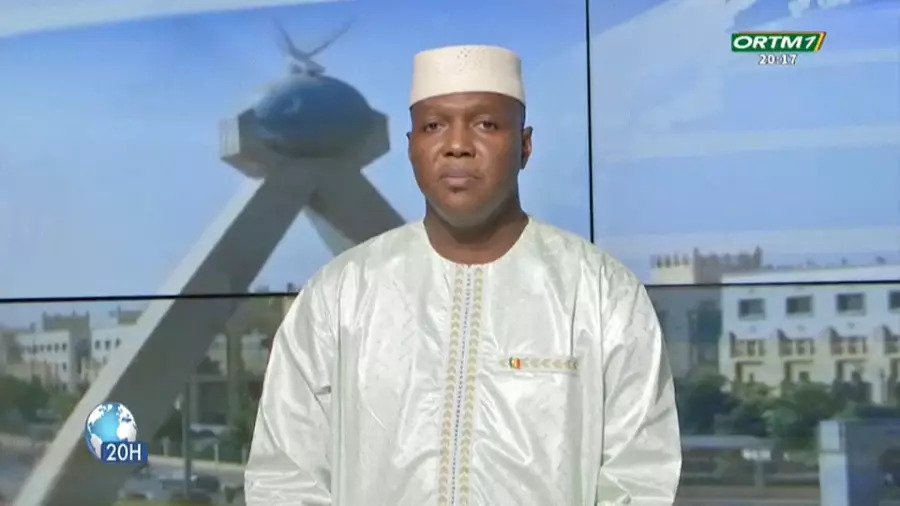
Malian Foreign Minister Abdoulaye Diop and his Togolese counterpart, Robert Dussey, announced in Lomé last week, after two days of talks that President Faure Gnassingbe has agreed “to facilitate dialogue with international and regional institutions in order to sort out the Malian crisis.”
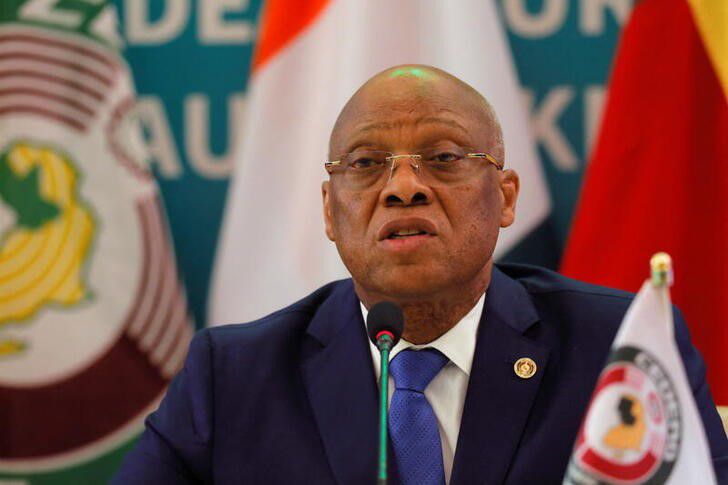
Former Nigerian President Goodluck Jonathan, the ECOWAS officially designated mediator on the Mali crisis has undertaken more than half a dozen mediation missions to Bamako with little progress.
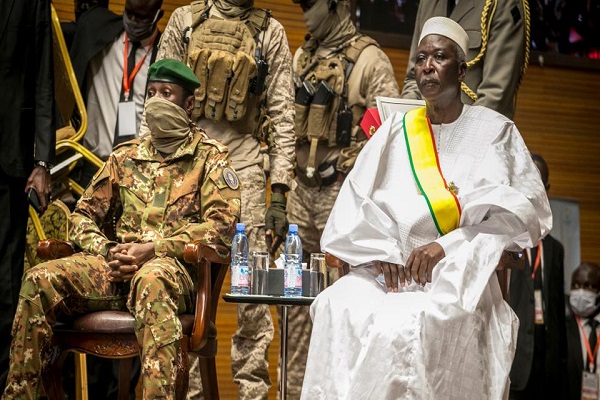
Goita shunned an invitation to attend an ECOWAS summit in March and his government has instead, announced a 24-month revised transition timetable.
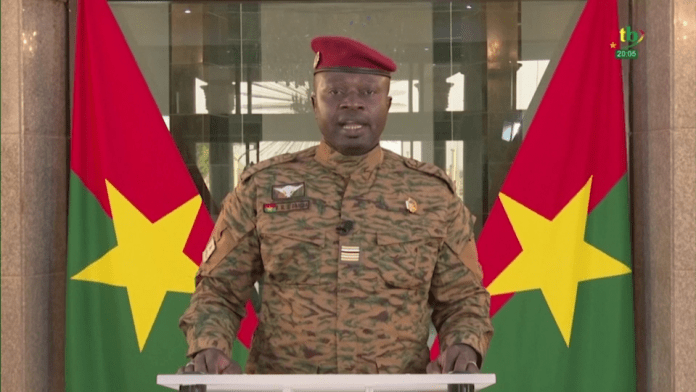
The military juntas in Guinea and Burkina Faso have not only followed Mali’s example in toppling elected governments, but are also similarly delaying political transitions in both countries. The Guinea junta has announced a 36-month timetable, while their counterparts in Burkina Faso have unveiled a 39-month programme.
ECOWAS has suspended the three countries from its fold, but the juntas in Guinea and Burkina Faso have refused to apply the regional sanctions against Mali.
Togo’s alignment with the Bamako junta, which could be interpreted as breaking the ECOWAS ranks, is not surprising. Lomé has maintained a flexible position toward the Malian military in power, by refusing to impose heavy sanctions.
It is also instructive to note that Faure Gnassingbé assumed power in controversial circumstances, described as a military coup by critics following the sudden death of his authoritarian father President Gnassingbé Eyadéma in February 2005. After weeks of domestic protests and international condemnation, he stepped down and a presidential election was held in April, in which he claimed victory. The opposition rejected results of that poll, resulting in more violent street protests, but the young Eyadéma has since won re-elections and consolidated his hold on power.
He reportedly visited Bamako secretly in January for talks with the Mali junta officials.
Malian Foreign Minister Diop said after the Lomé meeting last week, that his country urged President Gnassingbe to use his “good offices missions to mobilize again,” actors such as ECOWAS, “whose essential aim remains the organization of free, transparent and credible elections and the return to constitutional order.” Read More...