Managing Arthritis
-
 Loading...
 - Richard Moore
- 12 Jul 2024
- 279 Views
- 0 Like
- 0 Comment
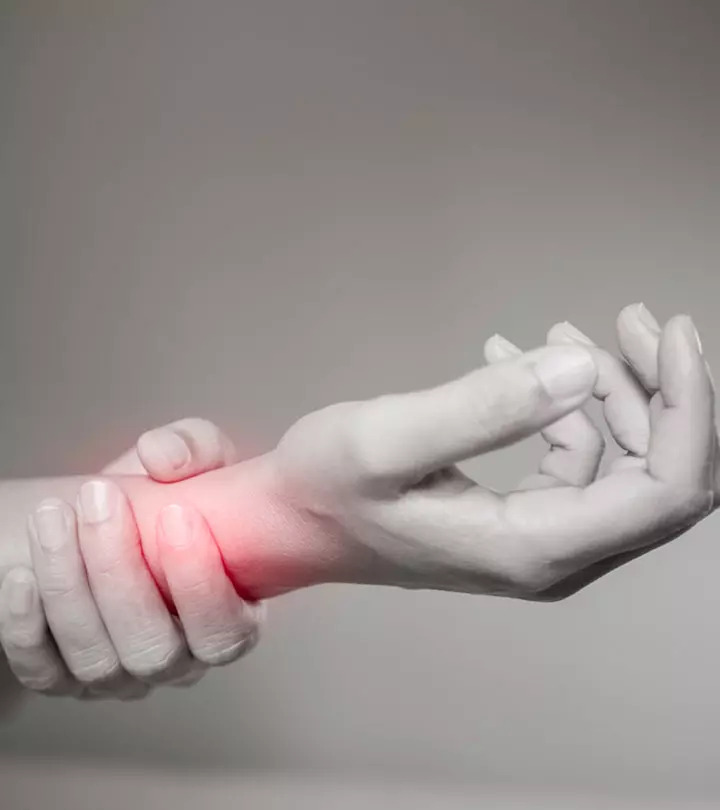
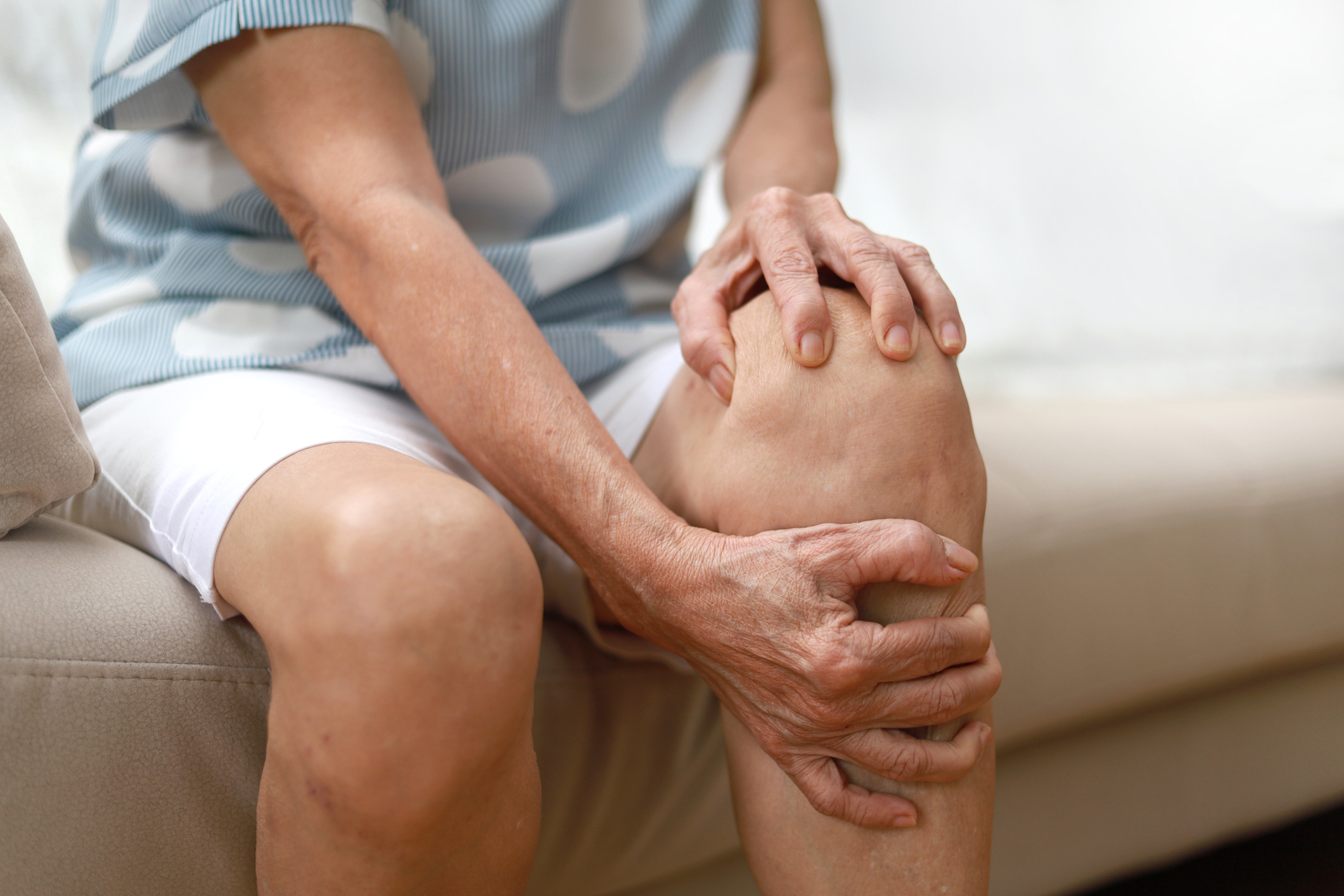
Arthritis, a debilitating condition that affects millions worldwide, can be a daunting challenge to navigate. However, with the right approach and a commitment to self-care, you can reclaim your mobility and live a fulfilling life. In this comprehensive guide, we'll explore the various types of arthritis, delve into the latest treatment options, and uncover practical tips to help you manage your symptoms and improve your overall well-being.
Understanding Arthritis
Arthritis is a broad term that encompasses a group of conditions characterized by joint inflammation and pain. The most common types include:
1. Osteoarthritis: This is the most prevalent form of arthritis, often caused by the gradual wear and tear of the joints.
2. Rheumatoid Arthritis: An autoimmune disorder that causes the body's immune system to attack the joints, leading to inflammation and joint damage.
3. Gout: A type of arthritis triggered by the buildup of uric acid crystals in the joints, typically affecting the big toe.
Diagnosing and Treating Arthritis
If you suspect you may be experiencing symptoms of arthritis, it's essential to seek medical attention. Your healthcare provider will perform a thorough examination, which may include imaging tests and blood work, to determine the underlying cause of your condition.
Depending on the type and severity of your arthritis, your doctor may recommend a combination of the following treatments:
- Over-the-counter or prescription pain relievers and anti-inflammatory medications
- Disease-modifying antirheumatic drugs (DMARDs) for autoimmune forms of arthritis
- Corticosteroid injections to reduce inflammation
- Biologic agents that target specific components of the immune system
Lifestyle Modifications for Arthritis Management
While medical interventions can be highly effective, making positive lifestyle changes can also play a crucial role in managing your arthritis symptoms. Consider incorporating the following strategies:
Exercise and Physical Therapy
Regular low-impact exercises, such as swimming, cycling, or gentle yoga, can help improve joint flexibility, strengthen the muscles around the affected joints, and reduce overall pain and stiffness.
Weight Management
Maintaining a healthy weight can significantly alleviate the stress on your joints, especially those in the hips, knees, and ankles.
Dietary Considerations
Certain anti-inflammatory foods, such as fatty fish, berries, and leafy greens, may help reduce inflammation and ease your arthritis symptoms.
Stress Management
Techniques like meditation, deep breathing, and mindfulness can help you manage the emotional and physical toll of living with arthritis.
Complementary and Alternative Therapies
In addition to conventional medical treatments, many individuals with arthritis find relief through complementary and alternative therapies, such as:
1. Acupuncture
2. Massage therapy
3. Herbal supplements
4. Topical creams and ointments
It's important to discuss these options with your healthcare provider to ensure they are safe and effective for your specific condition.
Conclusion
Arthritis may present a significant challenge, but with the right approach, you can regain control of your life and enjoy a more active, pain-free existence. By understanding your condition, exploring the latest treatment options, and making positive lifestyle changes, you can take the first steps towards managing your arthritis and reclaiming your mobility. Remember, you are not alone in this journey, and with the support of healthcare professionals and a commitment to self-care, you can thrive despite the challenges of arthritis.