Marcos Approves Proposed P6.352-T National Budget for 2025

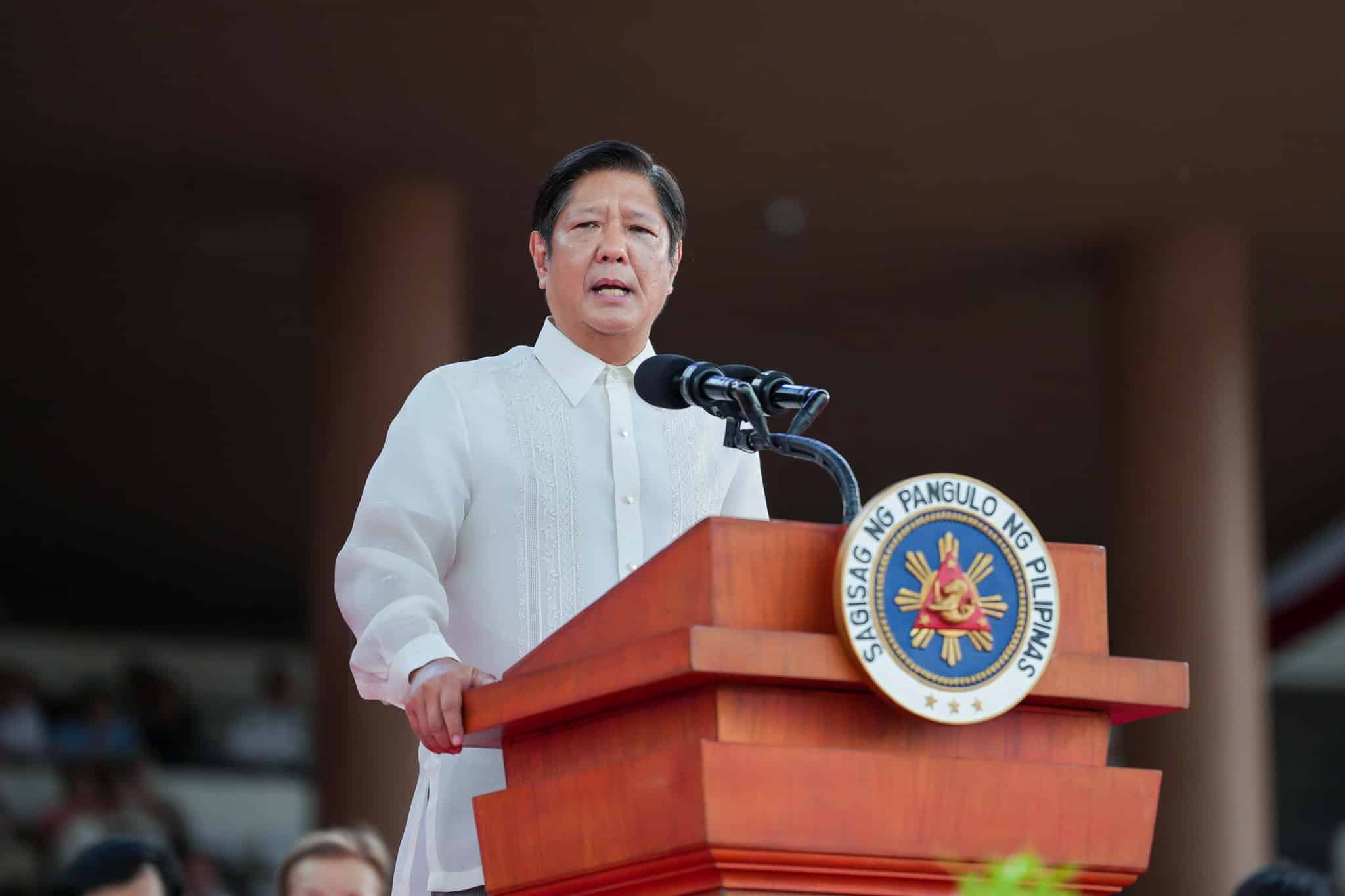
President Ferdinand “Bongbong” Marcos Jr. has approved the proposed P6.352-trillion National Expenditure Program (NEP) for 2025, the Presidential Communications Office (PCO) announced on Tuesday. This budget is designed to support the key pillars of the administration’s Philippine Development Plan 2023-2028.
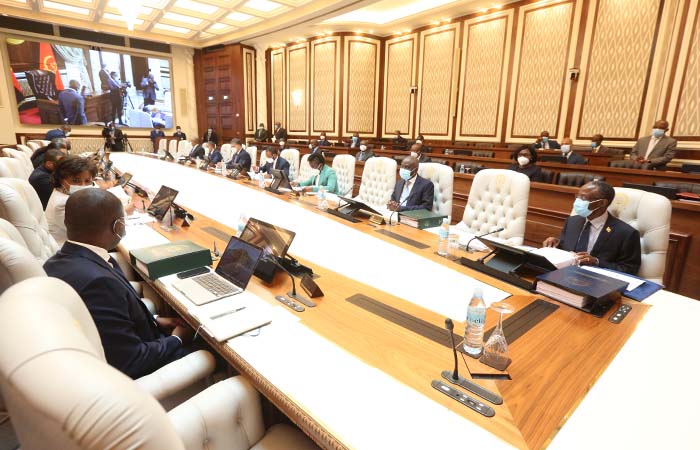
“You see a really good thing,” Marcos remarked during a Cabinet meeting in Malacañang, where Budget Secretary Amenah Pangandaman presented the proposed national budget for 2025. He added, “Since I’ve seen it before on the macro level, I think the priorities in terms of our proposed appropriations, upon addressing it, weighted our priorities properly in terms of appropriations.”
The proposed NEP allocates the largest shares of government appropriations to several key agencies, including:
- Education: Department of Education, state universities and colleges, Commission on Higher Education, and Technical Education and Skills Authority.
- Public Works: Department of Public Works and Highways.
- Health: PhilHealth.
- Interior and Local Government: Department of the Interior and Local Government.
- Defense: Department of National Defense.
Other top priorities include the Department of Social Welfare and Development, Department of Agriculture and its attached corporations, Department of Agrarian Reform, Department of Transportation, and the judiciary.
According to the Department of Budget and Management (DBM), the administration's ultimate goal is to achieve social and economic transformation, positioning the Philippines as a prosperous, inclusive, and resilient society. "These strategic directives are underpinned by the Bagong Pilipinas governance and leadership, guiding the nation towards a transformative future," the DBM stated.
In the education sector, the proposed budget aims to make the MATATAG curriculum relevant to produce competent, job-ready, active, and responsible citizens. Additionally, the budget priorities include accelerating the implementation of the Universal Health Care Act.
This significant allocation reflects the administration’s commitment to addressing critical areas of public service and ensuring a robust framework for the nation’s development.