Meeting housing demand proved an uphill struggle
-
 Loading...
 - Faith Akello
- 16 Jan 2023
- 50 Views
- 0 Like
- 0 Comment
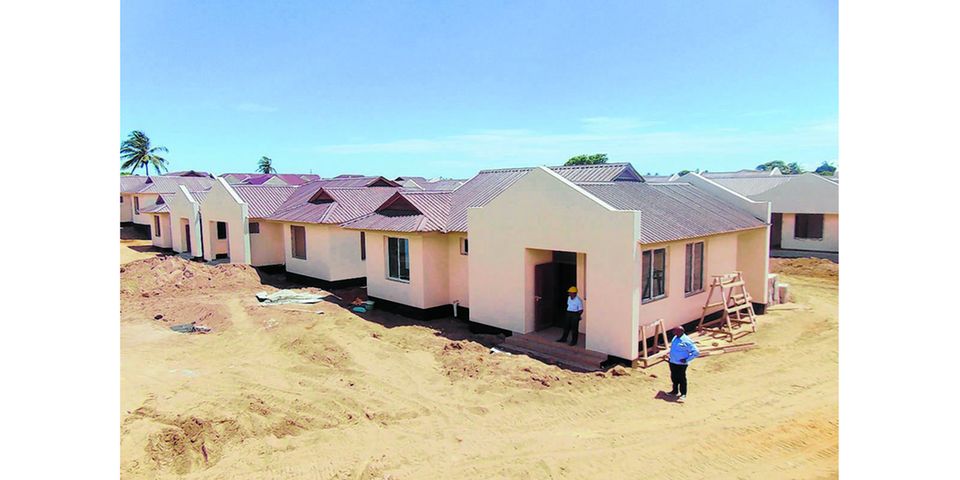
The supply of houses in Tanzania remains far behind as 2022 ends with demand for residential housing units on the rise.
Tanzania has a deficit of three million units, with demand increasing by 200,000 units each year.
A variety of factors contribute to the increasing demand, including changes in the population size, reduction in the mortgage interest rates and better economic prospects that saw a rise in expatriates.
The market stakeholders also associate the low number of housing projects over the past year to economic challenges that came as a result of the pandemic and Ukraine war, which accelerated the housing challenges.
Watumishi Housing Investments (WHI) chief executive Fred Msemwa said this year the market experienced a huge demand in residential houses, the demand for commercial real estate increased slightly but remained stable overall.
“The growth of business activities in 2022 played a crucial role, coupled with the recovery from the pandemic where we have seen a number of expatriates and investors arriving,” he said.
“It is also a challenge that there are a fewer developers, as the majority are state-owned. As a result, supply cannot keep up with demand as it is not feasible for one developer to build 5,000 units a year,” said Dr Msemwa.
The WHI boss said as the government emphases private investment to other key economic sectors, the same should done for real estate as more private developers would improve supply and influence affordability.
According to the Tanzania Investment Center (TIC), there were 24 registered investment projects in 2021, involving the construction of commercial buildings valued at $1.31 billion.
The majority of these projects were implemented in Dar es Salaam (10), seven in the coast region, three in Mwanza, while Shinyanga, Mtwara, Dodoma and Arusha had one project each. Data from the state of the economy 2021 report by the National Bureau of Statistics (NBS) shows that by 2021 market prices the real estate sector contributed Sh4.5 trillion to the Gross Domestic Product (GDP) which is 34 percent higher than the Sh3.16 trillion of five years earlier in 2016. Read More…