Mennonite colonies linked to deforestation of Indigenous territories and protected areas in Paraguay
-
 Loading...
 - Ortiz Zaneta
- 12 Apr 2023
- 70 Views
- 0 Like
- 0 Comment
In the middle of the Paraguayan portion of the Upper Parana Atlantic Forest, a paved road leads to the Mbya Indigenous community of Pindo’i.
Roads in the area are usually unpaved and uneven, and in the rainy season it’s almost impossible to use them due to mud. But this road is different.
A sign posted over where the road begins reads “Sommerfeld Colony — Welcome — Private land and roads.” It’s a Mennonite colony whose families use the road to move cattle, soy, corn or wheat they grow in their cropland that surrounds the Indigenous community.

The road that leads into Sommerfeld Colony. Image by Mario Silvero.
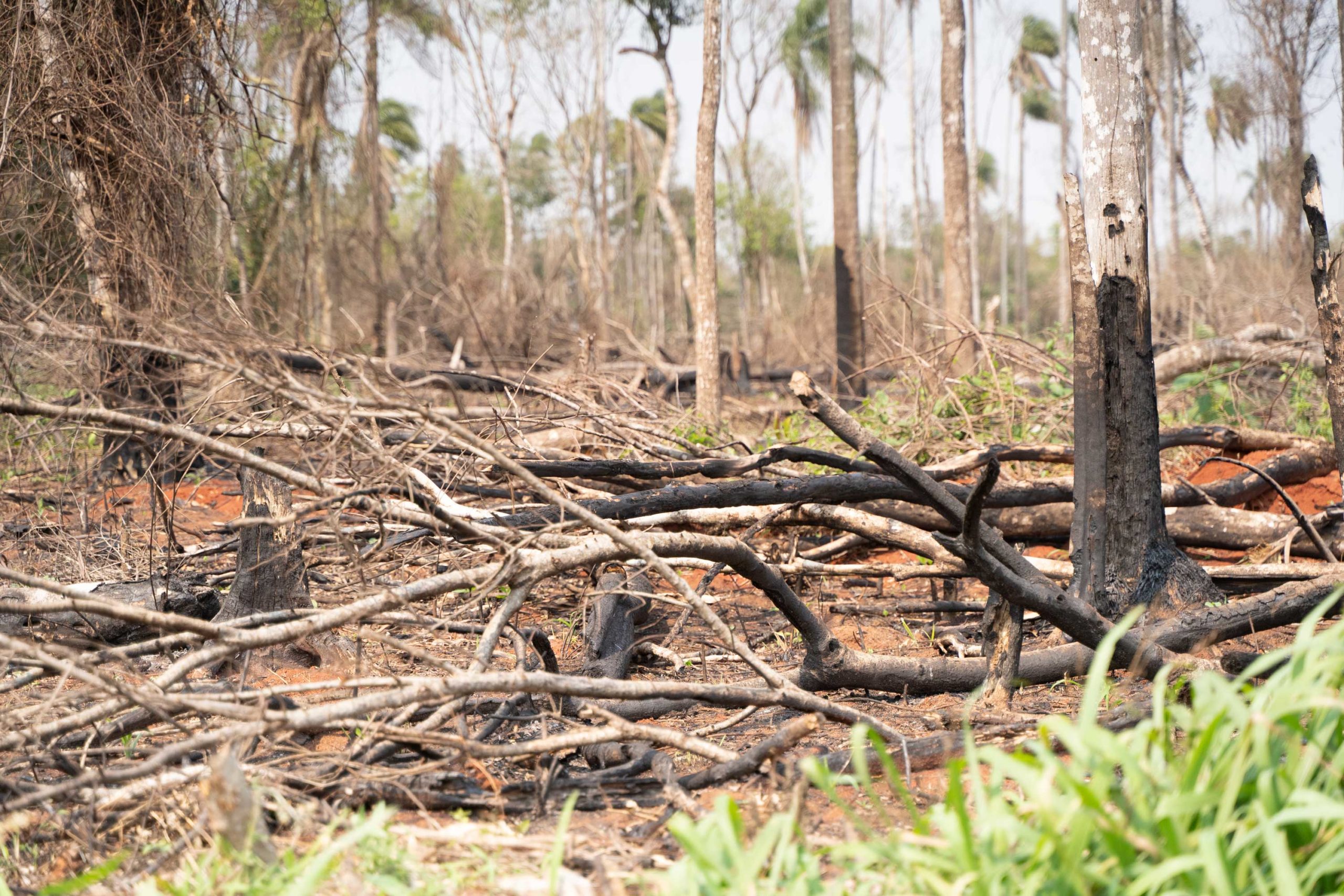
Satellite data and imagery from Global Forest Watch show clearing associated with large agricultural fields whittling away at already-fragmented tracts of primary forest in the Pindo’I Indigenous Territory over the past several years.
Cristino Benítez, district leader of the National Forest Institute (INFONA), confirmed the data.
“We have checked and the new clearings are happening inside the Pindo’i reserve,” Benítez said.

Satellite data show large swaths of Pindo’I Indigenous Territory — as well as neighboring Sa Juan CheiroAra Poty Yhovy Indigenous Territory — were deforested between 2001 and 2021.
Considered one of the most biologically important and endangered ecosystems in the world, the Upper Paraná Atlantic Forest encompasses portions of Brazil, Argentina and Paraguay and hosts multitudes of species, including some found nowhere else in the world. In addition, more Indigenous communities reportedly live in Paraguay’s portion of the Paraná than anywhere else in the country. Read More…