Metro Bus System Set to Transform Budapest’s Public Transport
-
 Loading...
 - Agafon Labedev
- 11 Feb 2025
- 207 Views
- 0 Like
- 0 Comment
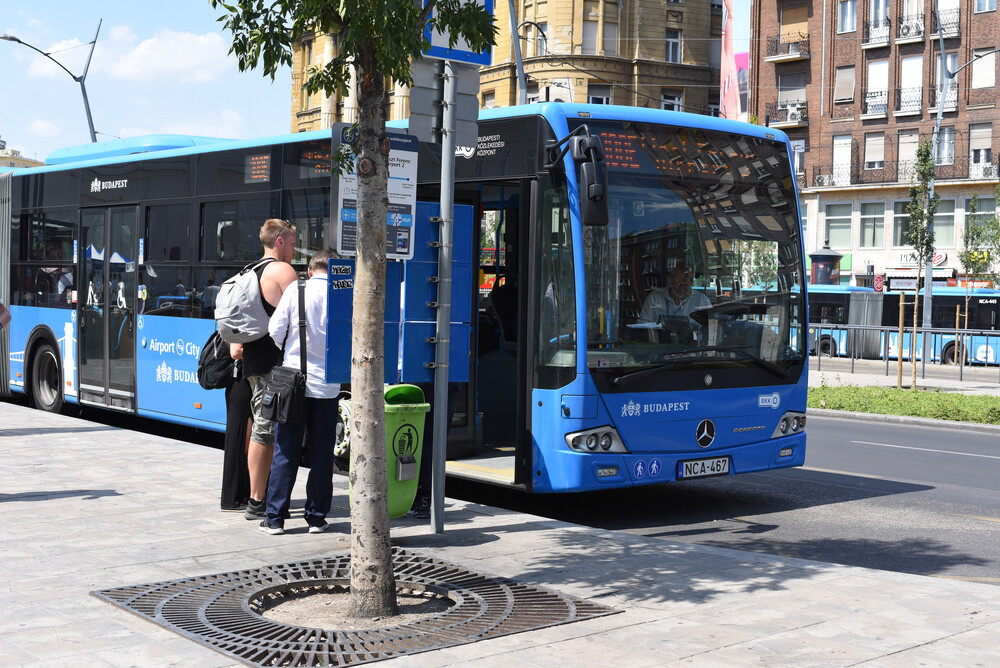
Budapest is set to launch its new "Metro bus" lines, which aim to provide fast and frequent transport connections to the city's metro lines without the need for transfers between buses. Mayor Gergely Karácsony announced this initiative on Monday, coinciding with the 75th anniversary of the outer districts joining the capital to form "Greater Budapest." He emphasized that public transport in certain areas still lacks a viable alternative to car travel.
Enhancing Public Transport Infrastructure
While the municipality has plans to develop track-based transport, uncertainties remain due to the strained relationship between the Hungarian government and the European Union. The Budapest public transport company, BKK, is focusing on strengthening the technological and professional foundations of data-based planning. This effort is part of a broader development plan aimed at significantly improving transport from outer districts to the city center.
The Metro bus system, more formally known as Bus Rapid Transit (BRT), is designed to address the challenges of increasing traffic congestion in urban areas. Unlike conventional bus routes that often share space with private vehicles, the Metro bus network will feature dedicated lanes exclusively for high-capacity buses. This separation from regular traffic will help maintain reliable schedules and swift travel times, potentially rivaling or surpassing some rail systems.
Key Features of the Metro Bus System
A successful Metro bus system relies on efficient station infrastructure and specialized vehicles. Stations will be designed with platforms at the same height as the bus floor, facilitating rapid boarding and alighting, which is crucial during peak hours. The fleet will likely include articulated or double-articulated buses to accommodate more passengers simultaneously. Additionally, the integration of automated fare collection and real-time passenger information will enhance efficiency and improve the user experience.
Global Examples of BRT Success
Globally, several cities have successfully implemented BRT systems. For instance, Istanbul’s Metrobüs connects the European and Asian sides of the city across the Bosphorus Bridge, serving hundreds of thousands of commuters daily. Bogotá’s TransMilenio has become a benchmark for BRT projects worldwide, known for its well-planned routes and frequent departures. Curitiba in Brazil pioneered dedicated bus corridors in the 1970s, demonstrating that rapid transit can be achieved without relying solely on trains or trams.
Challenges and Considerations
Despite the advantages of Metro bus systems, challenges remain. Overcrowding can occur during peak times, leading to busy stations and congestion on vehicles. In densely developed urban areas, allocating space for dedicated lanes can be difficult, often requiring road restructuring or restrictions on car traffic. Additionally, maintaining a large fleet of specialized buses and ensuring frequent departures necessitates continuous funding and detailed operational planning.
The Metro bus system represents a compelling solution for Budapest as it seeks to expand its public transport capacity quickly and cost-effectively. Compared to the high costs and lengthy timelines associated with constructing or upgrading rail networks, implementing a BRT system requires less extensive infrastructure work. By providing a reliable and accessible service, the Metro bus initiative aims to alleviate congestion and reduce reliance on private cars, ultimately enhancing the quality of life for Budapest's residents. With strategic investments and thoughtful design, the city can significantly improve its public transportation network and foster a more sustainable urban environment.