Mexico Dismantles Illegal Fishing Cartels Killing off Rare Vaquita Porpoise: A Step towards Conservation
-
 Loading...
 - Cardozo Carla
- 08 May 2023
- 66 Views
- 0 Like
- 0 Comment
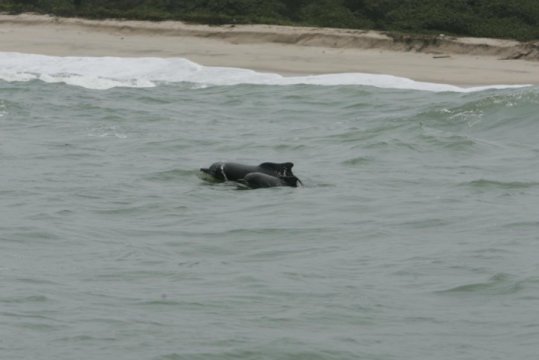
Mexico, known for its rich marine biodiversity, has taken a bold step towards protecting the rare Vaquita porpoise. The Vaquita is the world's smallest and most endangered cetacean, found only in the northern Gulf of California. However, the population of this marine mammal has declined sharply over the past few years due to illegal fishing practices. The Mexican government has now stepped up its efforts to dismantle illegal fishing cartels that are responsible for the decimation of the Vaquita population. In this article, we will delve deeper into Mexico's recent actions to protect this critically endangered species.
Mexico Dismantles Illegal Fishing Cartels Killing off Rare Vaquita Porpoise
Mexico's efforts to protect the Vaquita porpoise have been ongoing for several years. The government has taken several steps to control illegal fishing practices in the Gulf of California, but the results have been mixed. However, recent developments suggest that Mexico is now taking the issue seriously and has started to dismantle illegal fishing cartels that have been killing off the Vaquita porpoise.
Operation Milagro
Operation Milagro, launched in 2015, was a joint operation between the Mexican government and the Sea Shepherd Conservation Society to protect the Vaquita porpoise from illegal fishing practices. The operation involved patrolling the Gulf of California to identify and seize illegal fishing gear, such as gillnets. The campaign was successful in reducing the number of illegal fishing boats in the area and also raised awareness about the plight of the Vaquita porpoise.
Ban on Gillnets
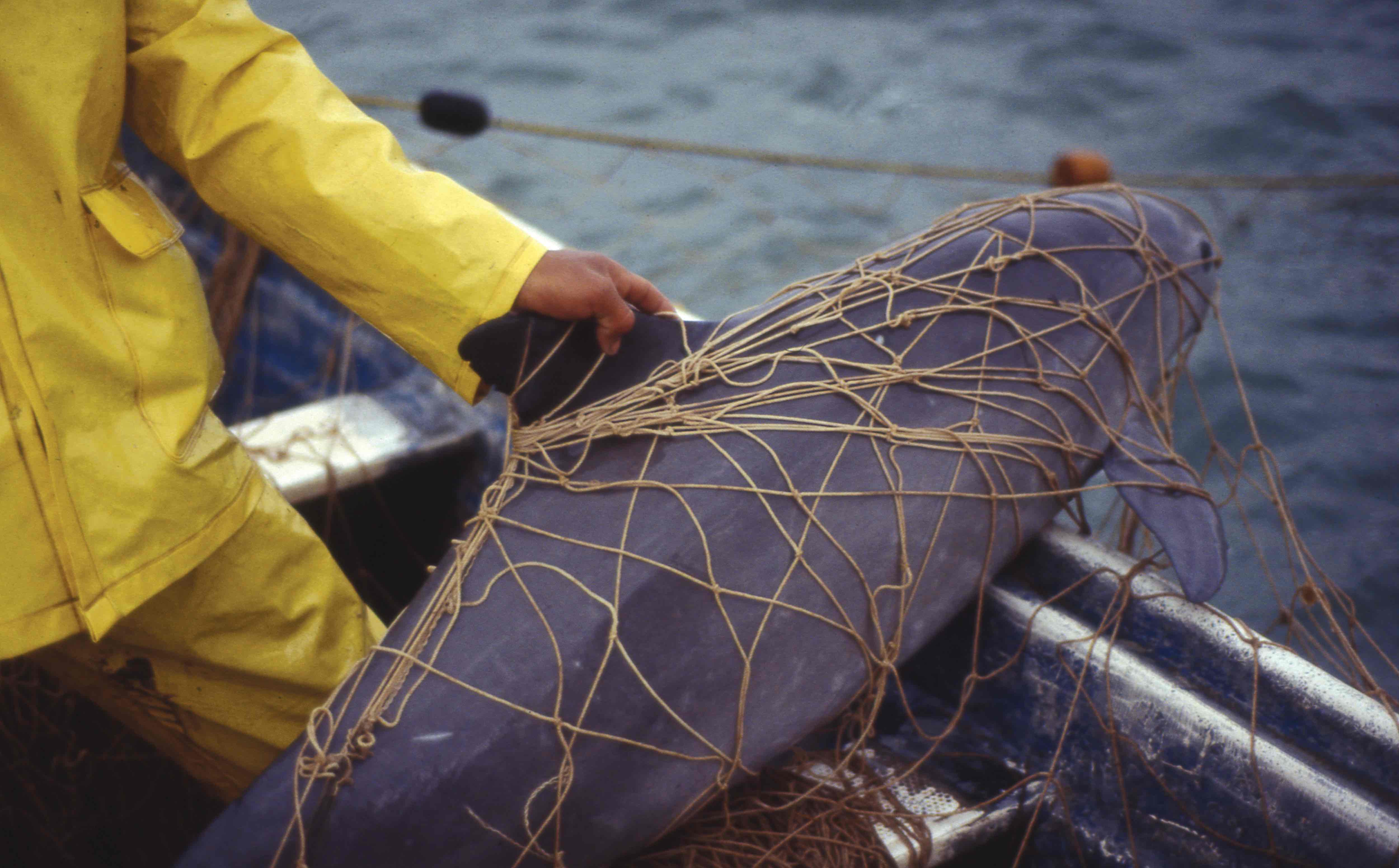
In 2015, Mexico banned the use of gillnets in the northern Gulf of California, which is the primary cause of the Vaquita porpoise's decline. Gillnets are vertical nets that are hung in the water column to trap fish. However, they also trap Vaquita porpoises, leading to their accidental death. The ban on gillnets was a significant step towards protecting the Vaquita porpoise, but it faced resistance from local fishermen who relied on gillnets to catch fish.
Incentive-based Programs
The Mexican government has also introduced incentive-based programs to encourage local fishermen to switch to alternative fishing practices that do not harm the Vaquita porpoise. The programs offer financial incentives and training to fishermen to help them transition to more sustainable fishing practices. The government hopes that these programs will reduce the number of illegal fishing practices and create a sustainable fishing industry in the region.
Dismantling Illegal Fishing Cartels
In recent months, the Mexican government has ramped up its efforts to dismantle illegal fishing cartels that have been killing off the Vaquita porpoise. In April 2021, the Mexican Navy, along with federal and state authorities, carried out an operation that led to the arrest of 19 people and the seizure of illegal fishing gear. The operation was a significant blow to the illegal fishing cartels that have been operating in the Gulf of California.
FAQs
Q1. Why is the Vaquita porpoise endangered?
The Vaquita porpoise is endangered because of illegal fishing practices in the Gulf of California. The primary cause of their decline is the use of gillnets, which trap and kill the porpoises.
Q2. What is the Mexican government doing to protect the Vaquita porpoise?
The Mexican government has taken several steps to protect the Vaquita porpoise, including launching Operation Milagro, banning gillnets, introducing incentive-based programs, and dismantling illegal fishing cartels.