Miami’s hidden high ground: What sea rise risk means for some prime real estate
-
 Loading...
 - michael mia
- 07 Mar 2023
- 58 Views
- 0 Like
- 0 Comment
Miami isn’t known for its majestic mountains. The tallest peaks in the South Florida landscape, in fact, are a series of landfills. The highest point south of Lake Okeechobee is the dump at Monarch Hill Renewable Energy Park, better known as Mount Trashmore, which towers 225 smelly feet above northern Broward County.
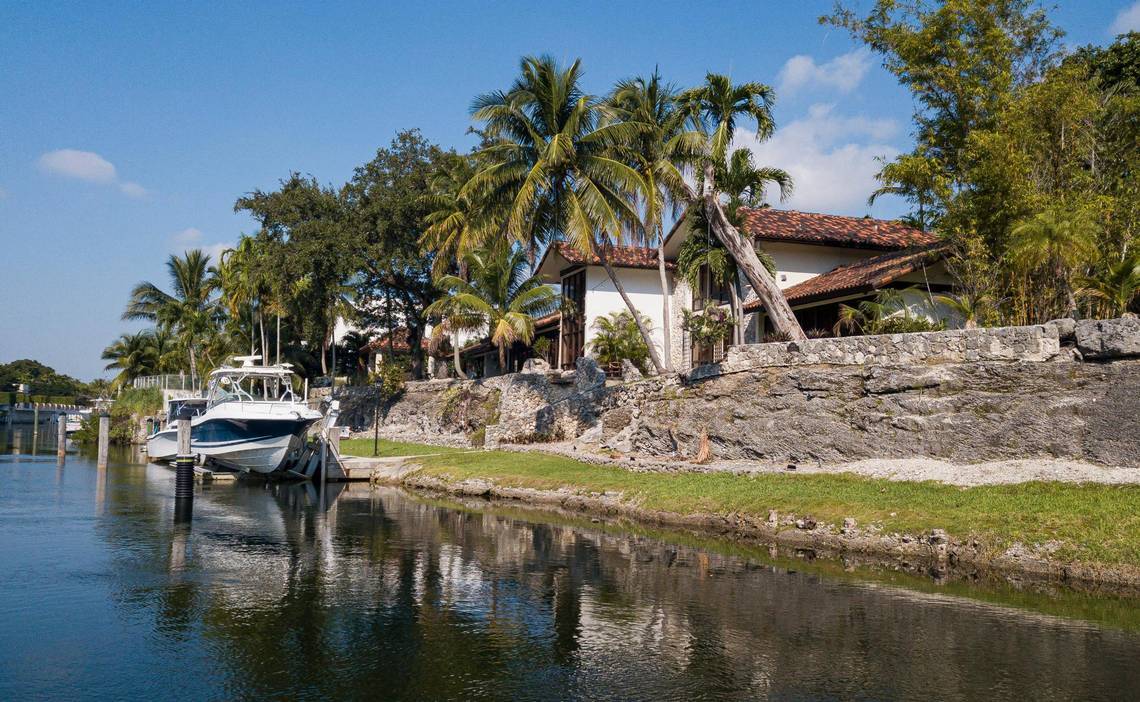
But there are natural bumps and ridges of limestone that gradually rise and fall along the length of South Florida. In Miami-Dade County, the tallest of these slopes soar to the dizzying height of about 20 feet above sea level. At these alpine altitudes, you’ll find strange things not seen anywhere else in Miami: mountain biking trails, underground cave systems, even houses with basements.
The highest points in Miami-Dade County are unmarked and largely unnoticed. But high ground has played an outsized role in the history of South Florida’s development — and, more importantly, offers clues about how climate change could shape the region’s future. Starting with its real estate market.
The scientists who study South Florida’s limestone ridges say there’s a warning hidden in the rock beneath our feet. All of it formed underwater, at a time when South Florida was at the bottom of a shallow sea. Now, sea levels are rising. One day — it’s hard to pinpoint when — even our highest ground may be underwater once again.
“Everybody thinks this is a God-given sea level,” said Harold Wanless, who heads the University of Miami’s geology department. “There’s nothing special about where the sea level is right now.”
As the tides inch higher and flooding becomes more common, more developers and home buyers are starting to seek out land at higher elevations. The past also provides a lesson there: High ground has long been some of the most desirable real estate in Miami.
That’s why Miami-Dade County’s highest ground is home to the oldest houses in Miami and some of the earliest evidence of human settlement south of Lake Okeechobee. “High ground is essentially where settlers were forced to live until the Everglades began to be drained in the early 1900s,” said Paul George, resident historian at HistoryMiami.
But as housing prices rise, some community groups are warning about the risk of climate gentrification, a process that pushes out poor residents living in higher and drier neighborhoods to make way for wealthier renters and buyers who want a home that’s safe from flooding. Read More…