Miłosz's “Zniewolony umysł†in Brazil
-
 Loading...
 - Darcy Lloyd
- 14 Jul 2022
- 114 Views
- 0 Like
- 0 Comment
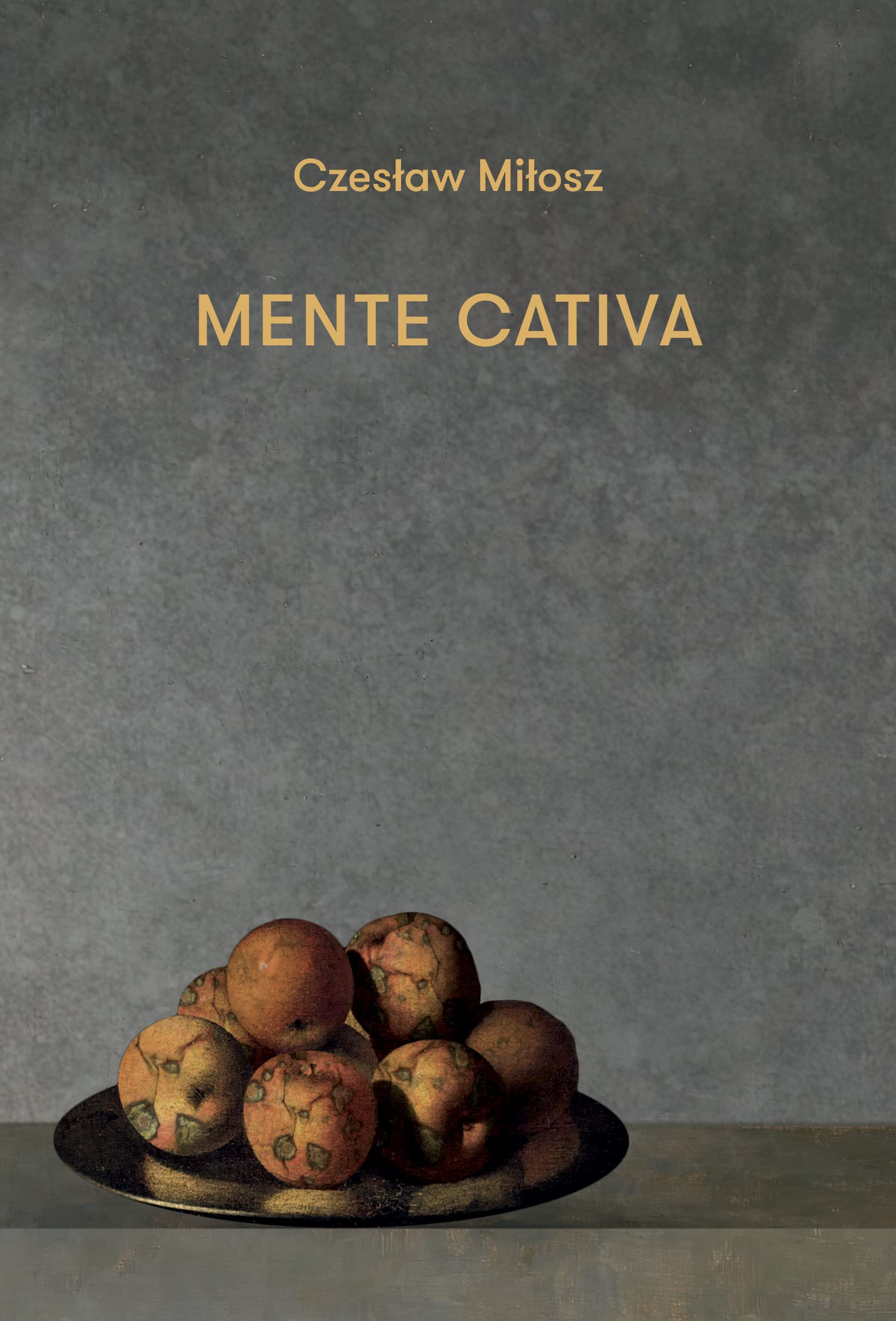
The Captive Mind, translated by Eneida Favre, was published by the Brazilian publishing house Editora Âyiné based in Venice.
The Captive Mind is a collection of nine essays by CzesÅ‚aw MiÅ‚osz written in 1951 and published two years later by the Literary Institute (a Polish publishing house in exile) in Paris as volume 3 of the Library of “Kultura” magazine. CzesÅ‚aw MiÅ‚osz’s work is not only an excellent treatise on political science and the study of communism; it is also a literary treatise or somewhat of a novel with a key, containing timeless reflections on the human condition, ethics, freedom and enslavement, yet stemming from the specific and therefore credible experience of both a witness and participant.
By means of parables and allegories, this work of Kafkaesque-Orwellian origins depicts an analysis of the process of the Eastern European intelligentsia’s intellectual dependence on the political and economic rules of communist doctrine. Karl Jaspers described The Captive Mind as an excellent study of the ‘splitting of man in two’ under enormous ideological pressure.
The Book Institute has also co-financed a number of other translations of CzesÅ‚aw MiÅ‚osz’s books in recent years. Thanks to the support of the ©POLAND Translation Programme, Dolina Issy (“The Issa Valley”) was published in Ukrainian in 2018 (translated by Natalja Sidjachenko), Historia literatury polskiej (“The History of Polish Literature”) in Romanian (translated by Constantin GeambaÅŸu), The Captive Mind in Azeri (translated by Gülɘra Abdullabɘjowa), Arabic (translated by Abie Mara’i), and Macedonian (translated by Filip Dimiewski), Rok myÅ›liwego (“A Year of the Hunter”) in Estonian (translated by Hendrik Lindepuu), and Ziemia Ulro (“The Land of Ulro”) was introduced to Croatian and Chinese readers by Adrian Cvitanović and Han Xinzhong respectively. Read More…