Home Upload Photo Upload Videos Write a Blog Analytics Messaging Streaming Create Adverts Creators Program
Bebuzee Afghanistan Bebuzee Albania Bebuzee Algeria Bebuzee Andorra Bebuzee Angola Bebuzee Antigua and Barbuda Bebuzee Argentina Bebuzee Armenia Bebuzee Australia Bebuzee Austria Bebuzee Azerbaijan Bebuzee Bahamas Bebuzee Bahrain Bebuzee Bangladesh Bebuzee Barbados Bebuzee Belarus Bebuzee Belgium Bebuzee Belize Bebuzee Benin Bebuzee Bhutan Bebuzee Bolivia Bebuzee Bosnia and Herzegovina Bebuzee Botswana Bebuzee Brazil Bebuzee Brunei Bebuzee Bulgaria Bebuzee Burkina Faso Bebuzee Burundi Bebuzee Cabo Verde Bebuzee Cambodia Bebuzee Cameroon Bebuzee Canada Bebuzee Central African Republic Bebuzee Chad Bebuzee Chile Bebuzee China Bebuzee Colombia Bebuzee Comoros Bebuzee Costa Rica Bebuzee Côte d'Ivoire Bebuzee Croatia Bebuzee Cuba Bebuzee Cyprus Bebuzee Czech Republic Bebuzee Democratic Republic of the Congo Bebuzee Denmark Bebuzee Djibouti Bebuzee Dominica Bebuzee Dominican Republic Bebuzee Ecuador Bebuzee Egypt Bebuzee El Salvador Bebuzee Equatorial Guinea Bebuzee Eritrea Bebuzee Estonia Bebuzee Eswatini Bebuzee Ethiopia Bebuzee Fiji Bebuzee Finland Bebuzee France Bebuzee Gabon Bebuzee Gambia Bebuzee Georgia Bebuzee Germany Bebuzee Ghana Bebuzee Greece Bebuzee Grenada Bebuzee Guatemala Bebuzee Guinea Bebuzee Guinea-Bissau Bebuzee Guyana Bebuzee Haiti Bebuzee Honduras Bebuzee Hong Kong Bebuzee Hungary Bebuzee Iceland Bebuzee India Bebuzee Indonesia Bebuzee Iran Bebuzee Iraq Bebuzee Ireland Bebuzee Israel Bebuzee Italy Bebuzee Jamaica Bebuzee Japan Bebuzee Jordan Bebuzee Kazakhstan Bebuzee Kenya Bebuzee Kiribati Bebuzee Kuwait Bebuzee Kyrgyzstan Bebuzee Laos Bebuzee Latvia Bebuzee Lebanon Bebuzee Lesotho Bebuzee Liberia Bebuzee Libya Bebuzee Liechtenstein Bebuzee Lithuania Bebuzee Luxembourg Bebuzee Madagascar Bebuzee Malawi Bebuzee Malaysia Bebuzee Maldives Bebuzee Mali Bebuzee Malta Bebuzee Marshall Islands Bebuzee Mauritania Bebuzee Mauritius Bebuzee Mexico Bebuzee Micronesia Bebuzee Moldova Bebuzee Monaco Bebuzee Mongolia Bebuzee Montenegro Bebuzee Morocco Bebuzee Mozambique Bebuzee Myanmar Bebuzee Namibia Bebuzee Nauru Bebuzee Nepal Bebuzee Netherlands Bebuzee New Zealand Bebuzee Nicaragua Bebuzee Niger Bebuzee Nigeria Bebuzee North Korea Bebuzee North Macedonia Bebuzee Norway Bebuzee Oman Bebuzee Pakistan Bebuzee Palau Bebuzee Panama Bebuzee Papua New Guinea Bebuzee Paraguay Bebuzee Peru Bebuzee Philippines Bebuzee Poland Bebuzee Portugal Bebuzee Qatar Bebuzee Republic of the Congo Bebuzee Romania Bebuzee Russia Bebuzee Rwanda Bebuzee Saint Kitts and Nevis Bebuzee Saint Lucia Bebuzee Saint Vincent and the Grenadines Bebuzee Samoa Bebuzee San Marino Bebuzee São Tomé and Príncipe Bebuzee Saudi Arabia Bebuzee Senegal Bebuzee Serbia Bebuzee Seychelles Bebuzee Sierra Leone Bebuzee Singapore Bebuzee Slovakia Bebuzee Slovenia Bebuzee Solomon Islands Bebuzee Somalia Bebuzee South Africa Bebuzee South Korea Bebuzee South Sudan Bebuzee Spain Bebuzee Sri Lanka Bebuzee Sudan Bebuzee Suriname Bebuzee Sweden Bebuzee Switzerland Bebuzee Syria Bebuzee Taiwan Bebuzee Tajikistan Bebuzee Tanzania Bebuzee Thailand Bebuzee Timor-Leste Bebuzee Togo Bebuzee Tonga Bebuzee Trinidad and Tobago Bebuzee Tunisia Bebuzee Turkey Bebuzee Turkmenistan Bebuzee Tuvalu Bebuzee Uganda Bebuzee Ukraine Bebuzee United Arab Emirates Bebuzee United Kingdom Bebuzee Uruguay Bebuzee Uzbekistan Bebuzee Vanuatu Bebuzee Venezuela Bebuzee Vietnam Bebuzee World Wide Bebuzee Yemen Bebuzee Zambia Bebuzee Zimbabwe
Blog Image

Monkey Vocabulary Decoded

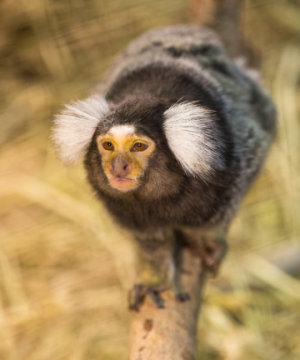
Marmoset (stock image). Credit: © titipong8176734 / Fotolia

From short 'tsiks' and 'ekks' to drawn-out 'phees' -- all the sounds produced by marmoset monkeys are made up of individual syllables of fixed length: that is the result of a study by a team of researchers headed by Dr. Steffen Hage of the Werner Reichardt Centre for Integrative Neuro-science (CIN) at the University of Tübingen. The smallest units of vocalisation and their rhythmic production in the brain of our relatives could also have been a prerequisite of human speech. The study was just published in Current Biology.

"Seven times a second, our speech apparatus can form a syllable," says Steffen Hage. Regardless if it is Batman shouting 'Ha!' or Mary Poppins singing 'Supercalifragilisticexpialidocious': when we speak, our utterance is made up of small units that are on average a seventh of a second long. This rhythm inherent in our production of syllables is as much constrained by the structure of our voicebox as it results from the processes that control speech in the brain. These biological fundamentals of speech may have been very similar in our ancestors.

If we want to understand the evolution of human speech, we should look into its biological basis in our close relatives in the animal kingdom: primates. However, we still do not have a sufficient understanding of their vocalisation. To come to grips with the neurobiological basis of primate vocalisation, Hage's neuroscientific research group works with marmoset monkeys, a primate species from South America. Marmosets are far closer related to us than, for example, perching birds, whose vocalisation has been the focus of much research into the rhythm and length of syllables.

The researchers recorded thousands of instances of the little monkeys' 'tsiks', 'ekks' and 'phees' in a sound chamber. They interrupted the animals' natural vocalisation with white noise at irregular intervals. The researchers effectively 'talked over' the monkeys, causing them to fall quiet.

Thomas Pomberger, one of the study's authors, explains the results: "The marmosets' 'phee' had so far been considered part of their basic vocabulary, alongside the 'tsik' and 'ekk'. We observed that they would stop right in the middle of their 'phee' calls when we disrupted them with noise. Moreover, that would only happen at specific points within the call."

Co-author Cristina Risueno-Segovia adds: "What we found was that what had been known as a long 'phee' call actually consists of small units of about the same length as a 'tsik' or 'ekk' -- about 100 milliseconds." Their supervisor Hage says: "Until now, the supposed existence of the long 'phee' has not allowed for the conclusion that we can draw now: just like us, marmoset monkeys have a 'hardwired' rhythm that controls their vocalisation. It is even similarly fast."

Such a rhythm might be an evolutionary prerequisite on the path to developing true speech. The new study demonstrates that research in marmosets can provide the necessary clues to better understand the origins and properties of human speech -- a question that has been much debated in the scientific community.


Previous Post

Surprising new study redraws family tree of domesticated and 'wild' horses

Next Post

Hiring Indoor Plants versus Buying

Comments