Home Upload Photo Upload Videos Write a Blog Analytics Messaging Streaming Create Adverts Creators Program
Bebuzee Afghanistan Bebuzee Albania Bebuzee Algeria Bebuzee Andorra Bebuzee Angola Bebuzee Antigua and Barbuda Bebuzee Argentina Bebuzee Armenia Bebuzee Australia Bebuzee Austria Bebuzee Azerbaijan Bebuzee Bahamas Bebuzee Bahrain Bebuzee Bangladesh Bebuzee Barbados Bebuzee Belarus Bebuzee Belgium Bebuzee Belize Bebuzee Benin Bebuzee Bhutan Bebuzee Bolivia Bebuzee Bosnia and Herzegovina Bebuzee Botswana Bebuzee Brazil Bebuzee Brunei Bebuzee Bulgaria Bebuzee Burkina Faso Bebuzee Burundi Bebuzee Cabo Verde Bebuzee Cambodia Bebuzee Cameroon Bebuzee Canada Bebuzee Central African Republic Bebuzee Chad Bebuzee Chile Bebuzee China Bebuzee Colombia Bebuzee Comoros Bebuzee Costa Rica Bebuzee Côte d'Ivoire Bebuzee Croatia Bebuzee Cuba Bebuzee Cyprus Bebuzee Czech Republic Bebuzee Democratic Republic of the Congo Bebuzee Denmark Bebuzee Djibouti Bebuzee Dominica Bebuzee Dominican Republic Bebuzee Ecuador Bebuzee Egypt Bebuzee El Salvador Bebuzee Equatorial Guinea Bebuzee Eritrea Bebuzee Estonia Bebuzee Eswatini Bebuzee Ethiopia Bebuzee Fiji Bebuzee Finland Bebuzee France Bebuzee Gabon Bebuzee Gambia Bebuzee Georgia Bebuzee Germany Bebuzee Ghana Bebuzee Greece Bebuzee Grenada Bebuzee Guatemala Bebuzee Guinea Bebuzee Guinea-Bissau Bebuzee Guyana Bebuzee Haiti Bebuzee Honduras Bebuzee Hong Kong Bebuzee Hungary Bebuzee Iceland Bebuzee India Bebuzee Indonesia Bebuzee Iran Bebuzee Iraq Bebuzee Ireland Bebuzee Israel Bebuzee Italy Bebuzee Jamaica Bebuzee Japan Bebuzee Jordan Bebuzee Kazakhstan Bebuzee Kenya Bebuzee Kiribati Bebuzee Kuwait Bebuzee Kyrgyzstan Bebuzee Laos Bebuzee Latvia Bebuzee Lebanon Bebuzee Lesotho Bebuzee Liberia Bebuzee Libya Bebuzee Liechtenstein Bebuzee Lithuania Bebuzee Luxembourg Bebuzee Madagascar Bebuzee Malawi Bebuzee Malaysia Bebuzee Maldives Bebuzee Mali Bebuzee Malta Bebuzee Marshall Islands Bebuzee Mauritania Bebuzee Mauritius Bebuzee Mexico Bebuzee Micronesia Bebuzee Moldova Bebuzee Monaco Bebuzee Mongolia Bebuzee Montenegro Bebuzee Morocco Bebuzee Mozambique Bebuzee Myanmar Bebuzee Namibia Bebuzee Nauru Bebuzee Nepal Bebuzee Netherlands Bebuzee New Zealand Bebuzee Nicaragua Bebuzee Niger Bebuzee Nigeria Bebuzee North Korea Bebuzee North Macedonia Bebuzee Norway Bebuzee Oman Bebuzee Pakistan Bebuzee Palau Bebuzee Panama Bebuzee Papua New Guinea Bebuzee Paraguay Bebuzee Peru Bebuzee Philippines Bebuzee Poland Bebuzee Portugal Bebuzee Qatar Bebuzee Republic of the Congo Bebuzee Romania Bebuzee Russia Bebuzee Rwanda Bebuzee Saint Kitts and Nevis Bebuzee Saint Lucia Bebuzee Saint Vincent and the Grenadines Bebuzee Samoa Bebuzee San Marino Bebuzee São Tomé and Príncipe Bebuzee Saudi Arabia Bebuzee Senegal Bebuzee Serbia Bebuzee Seychelles Bebuzee Sierra Leone Bebuzee Singapore Bebuzee Slovakia Bebuzee Slovenia Bebuzee Solomon Islands Bebuzee Somalia Bebuzee South Africa Bebuzee South Korea Bebuzee South Sudan Bebuzee Spain Bebuzee Sri Lanka Bebuzee Sudan Bebuzee Suriname Bebuzee Sweden Bebuzee Switzerland Bebuzee Syria Bebuzee Taiwan Bebuzee Tajikistan Bebuzee Tanzania Bebuzee Thailand Bebuzee Timor-Leste Bebuzee Togo Bebuzee Tonga Bebuzee Trinidad and Tobago Bebuzee Tunisia Bebuzee Turkey Bebuzee Turkmenistan Bebuzee Tuvalu Bebuzee Uganda Bebuzee Ukraine Bebuzee United Arab Emirates Bebuzee United Kingdom Bebuzee Uruguay Bebuzee Uzbekistan Bebuzee Vanuatu Bebuzee Venezuela Bebuzee Vietnam Bebuzee World Wide Bebuzee Yemen Bebuzee Zambia Bebuzee Zimbabwe
Blog Image

Monkeypox Virus May Have Undergone ‘Accelerated Evolution' in Current Outbreak

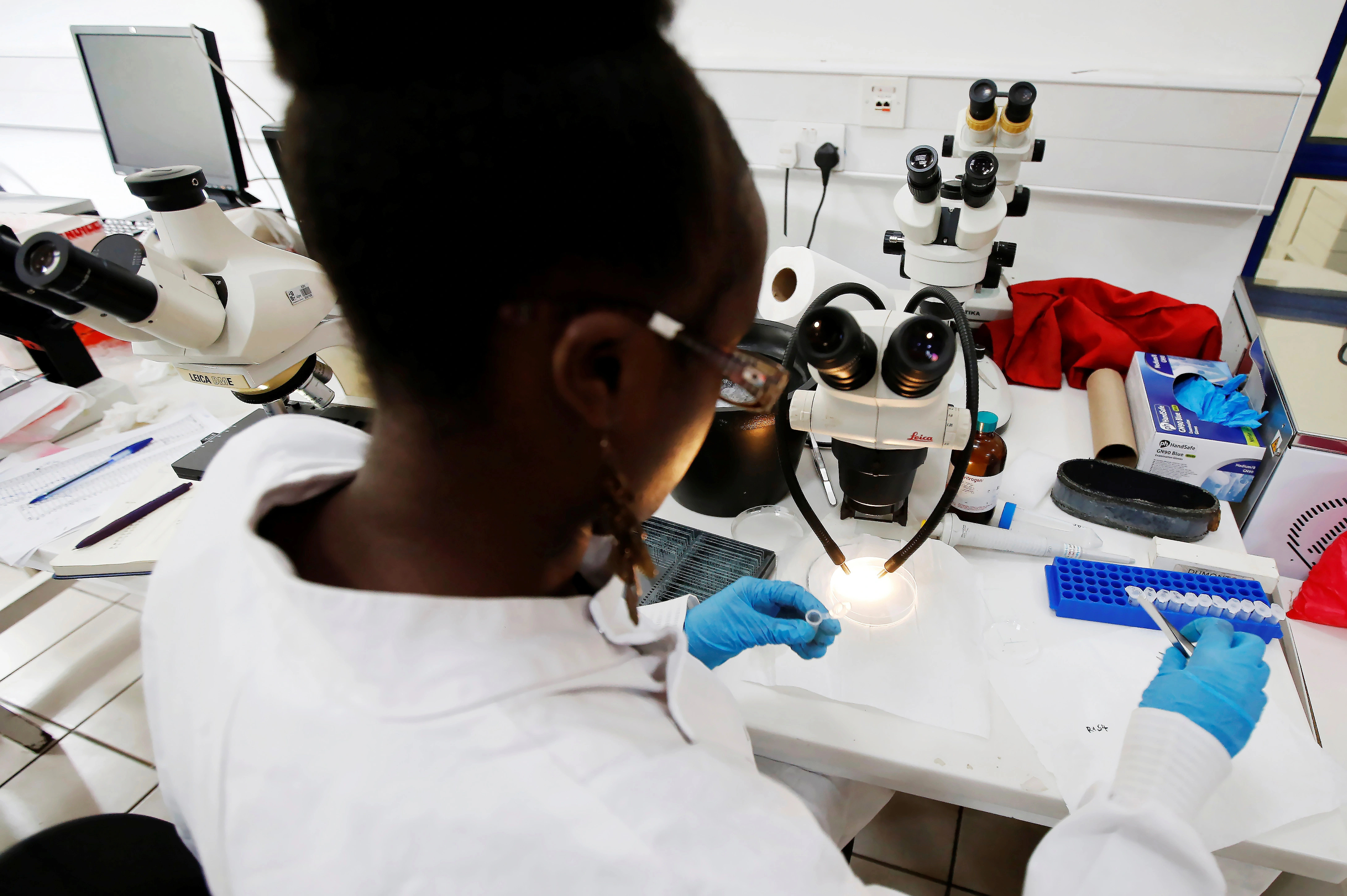
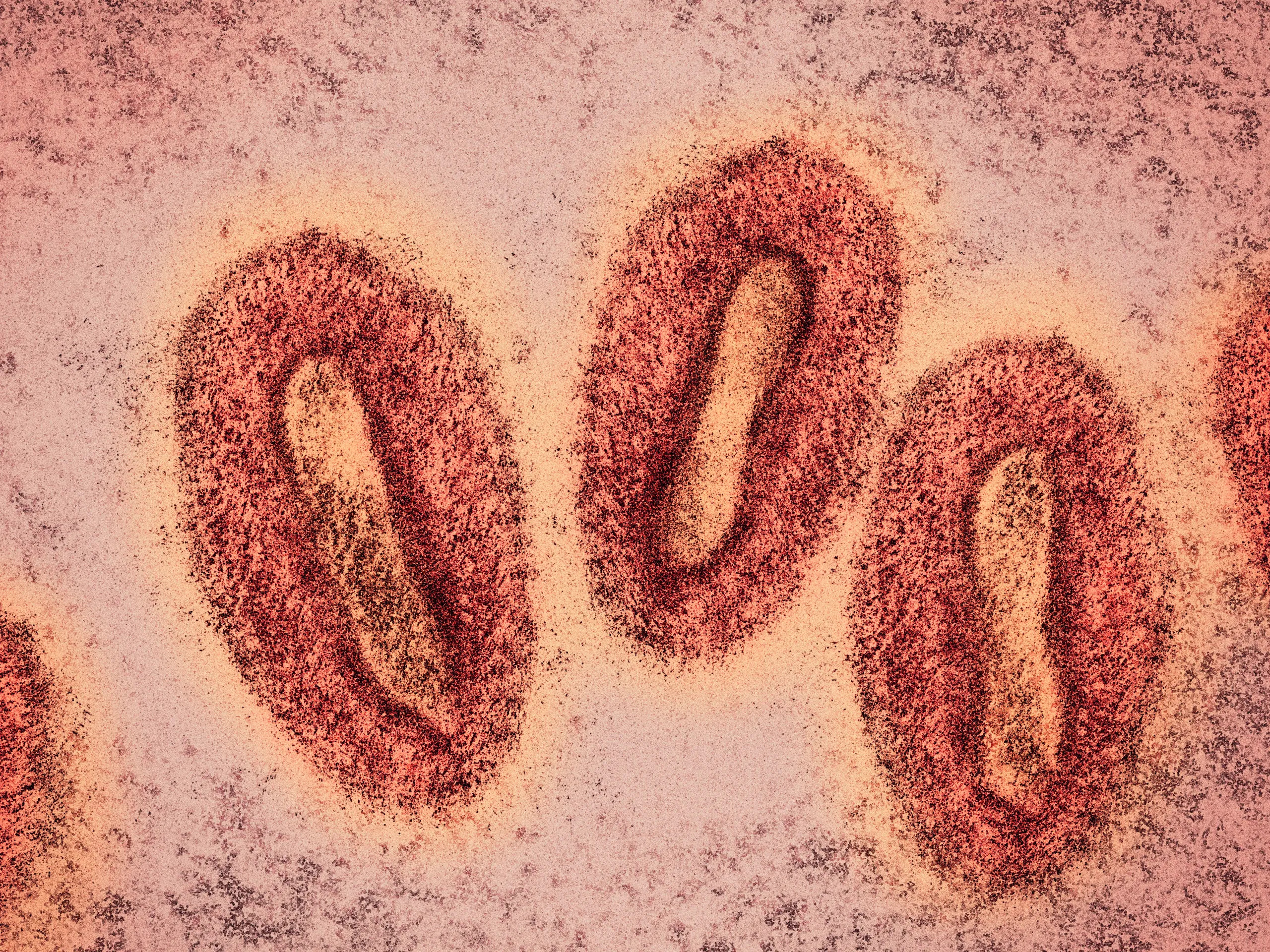
The monkeypox virus causing the current global outbreak may have undergone “accelerated evolution,” mutating more quickly than scientists expected, according to a new paper published in the journal Nature Medicine. The team of researchers in Portugal behind the paper analyzed previous samples of the monkeypox virus, including samples from 2018 to 2019, and compared the DNA to samples from the current 2022 outbreak. The results suggest the virus has evolved very quickly, Thomas Russo, MD, an infectious disease expert at the University of Buffalo Jacobs School of Medicine and Biomedical Sciences, who was not directly involved in the research, tells SELF.

To be clear, it’s well-known that viruses evolve and adapt; that the monkeypox virus has done so isn’t the surprising part. Rather, it’s the speed—a mutation up to 6 to 12 times faster than expected, per the new research—that has experts questioning whether monkeypox could be more infectious now than in the past. The new research raises the possibility of higher contagiousness, “but we just don’t know yet,” Dr. Russo says.

The monkeypox strain currently circulating outside of endemic areas is one of two types and is thought to be the less severe of the two, according to the World Health Organization (WHO). One strain is endemic to the West Africa (WA) region and the other is endemic to the Congo Basin (CB) region, per the WHO. In the past the WA strain has “been associated with an overall lower mortality rate of less than 3% while the CB [strain] appears to more frequently cause severe disease with a case fatality ratio reported from 1% to 10%,” per the WHO. The authors of the new report studied the WA strain since it’s responsible for the current outbreak.

Health authorities recently cautioned that the symptoms being observed in current monkeypox cases may look different than those commonly observed during previous outbreaks. For instance, in the past, people diagnosed with monkeypox typically developed a total body rash; some people affected by the current outbreak, though, are seeing just a single pimple-like spot or lesion. Experts suspect the virus’s fast evolution could be the reason why some people are reporting atypical symptoms, Dr. Russo says.

To date, there have been 305 confirmed cases of monkeypox in the United States, per the Centers for Disease Control and Prevention (CDC). Globally, there have been more than 4,700 cases in 49 different countries at the time of publication.

To put that into context, the United States reported just two cases of monkeypox last year, both of which were travel-related, per the CDC. But that doesn’t mean you should start comparing it to COVID-19, Dr. Russo says, no matter how familiar the discussion of symptoms, viral mutations, and vaccination feels right now. Currently, “this isn’t like COVID where you can acquire it in a supermarket when you’re not wearing a mask,” Dr. Russo says. Read More…
Previous Post

Two life scientists in Portugal elected as EMBO members

Next Post

Blue Origin announces first Portuguese astronaut

Comments