Montenegrin Officials Using Legislative Gaps to Hide Value of Crypto Assets
-
 Loading...
 - Nicole Bennett
- 31 Mar 2025
- 25 Views
- 0 Like
- 0 Comment
Montenegro's lack of regulation surrounding cryptocurrencies has created a significant loophole, allowing public officials, including the prime minister, to withhold the value of their digital assets from anti-corruption bodies. As the country navigates its position in the evolving landscape of digital finance, the absence of clear legislative guidelines has raised concerns about transparency and accountability among its leaders.
Current State of Crypto Regulation in Montenegro
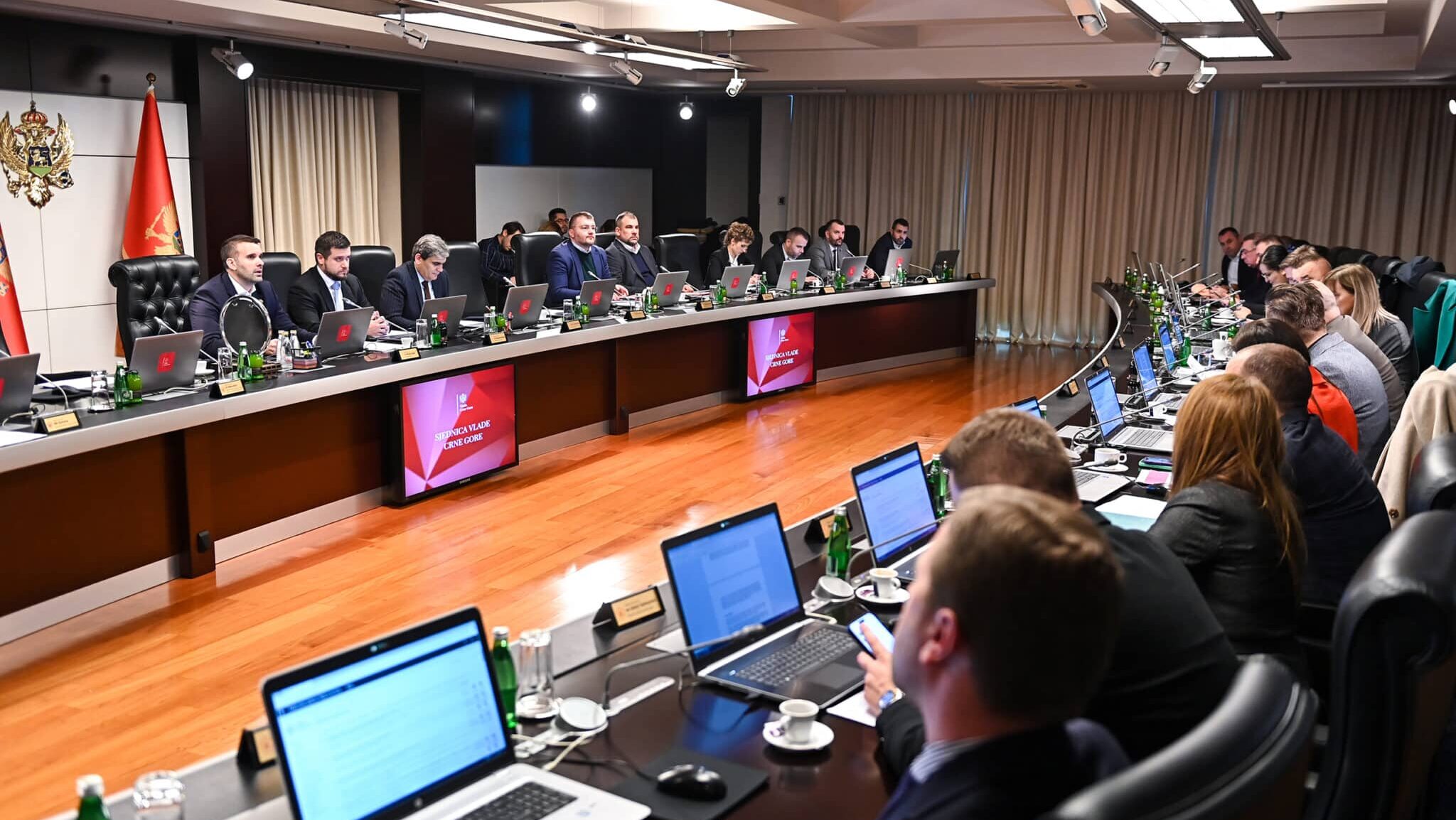
As of now, Montenegro has not adopted specific legislation to regulate the use of cryptocurrencies. This regulatory vacuum has left public officials free to declare their crypto holdings without providing detailed information about their value. A recent investigation by BIRN revealed that while several high-ranking officials, including Prime Minister Milojko Spajic and various cabinet ministers, have reported holding crypto assets, only Economic Development Minister Nik Gjeloshaj has fully disclosed the specifics of his holdings.
Asset Declarations and Transparency Issues
A review of asset declarations submitted to the Agency for the Prevention of Corruption (ASK) shows that while officials are required to report their assets annually, the forms do not include a dedicated section for digital assets. This lack of specificity allows officials to report their crypto holdings without disclosing crucial details such as the type, quantity, and current market value of these assets. For instance, Spajic has repeatedly declared ownership of Bitcoin but has not specified how much he owns or its current value, which has fluctuated significantly over time.
Nikola Mirkovic from the Centre for Civic Education (CGO) highlighted that the absence of regulation creates opportunities for abuse, as public officials can take advantage of the situation to provide minimal disclosures. The lack of transparency makes it challenging to assess the true value of politicians' assets, undermining efforts to combat corruption.
Historical Context and Promises of Regulation
Since the end of three decades of uninterrupted rule by the Democratic Party of Socialists in 2020, Spajic has positioned himself as a proponent of cryptocurrency, promising to transform Montenegro into a "crypto paradise." In 2022, the government even granted citizenship to Vitalik Buterin, co-founder of Ethereum, signaling its intent to embrace the crypto industry. However, despite these ambitions, concrete regulatory measures have yet to materialize.
Legislative Shortcomings
The Law on the Prevention of Corruption requires public officials to submit annual reports on their income and assets, including digital assets. However, the law does not provide clear guidelines on how these assets should be classified or reported. The ASK has acknowledged that the current legal framework is insufficient for the proper declaration of digital assets, indicating a need for amendments to improve transparency.
In response to these shortcomings, the government has proposed amendments to the Law on the Prevention of Money Laundering and Terrorist Financing, which would introduce a Register of Crypto-Asset Service Providers. This register aims to enhance oversight of cryptocurrency transactions, particularly those exceeding 1,000 euros.
Concerns Over Criminal Activity
The rise of the crypto community in Montenegro has raised alarms about potential misuse by criminal organizations. The government’s Serious and Organised Crime Threat Assessment highlighted the risks associated with cryptocurrencies, noting that their anonymity and fast transaction capabilities make them attractive for illicit activities. A report by the Global Initiative Against Transnational Organised Crime (GI-TOC) further emphasized the financial sector's lack of capacity to detect illegal financial flows in the cryptocurrency space.
Recommendations for Improvement
Mirkovic advocates for a more robust legal framework for declaring public officials' digital assets. He suggests that the ASK should establish a distinct classification for digital assets in asset declarations, requiring officials to disclose the type, quantity, and market value of their cryptocurrencies. Additionally, officials should be mandated to submit statements from their digital wallets to ensure accountability.
Montenegro's current legislative gaps regarding cryptocurrency regulation pose significant challenges for transparency and accountability among public officials. As the country seeks to position itself within the global crypto landscape, it is crucial to establish clear regulations that not only facilitate the growth of the digital economy but also safeguard against potential abuses of power. Strengthening the legal framework for asset declarations and enhancing oversight mechanisms will be essential steps in promoting integrity and trust in Montenegro's political landscape.