Morocco Boosts Shipbuilding Activity by 2024
-
 Loading...
 - Emma Maclean
- 18 Oct 2024
- 89 Views
- 0 Like
- 0 Comment
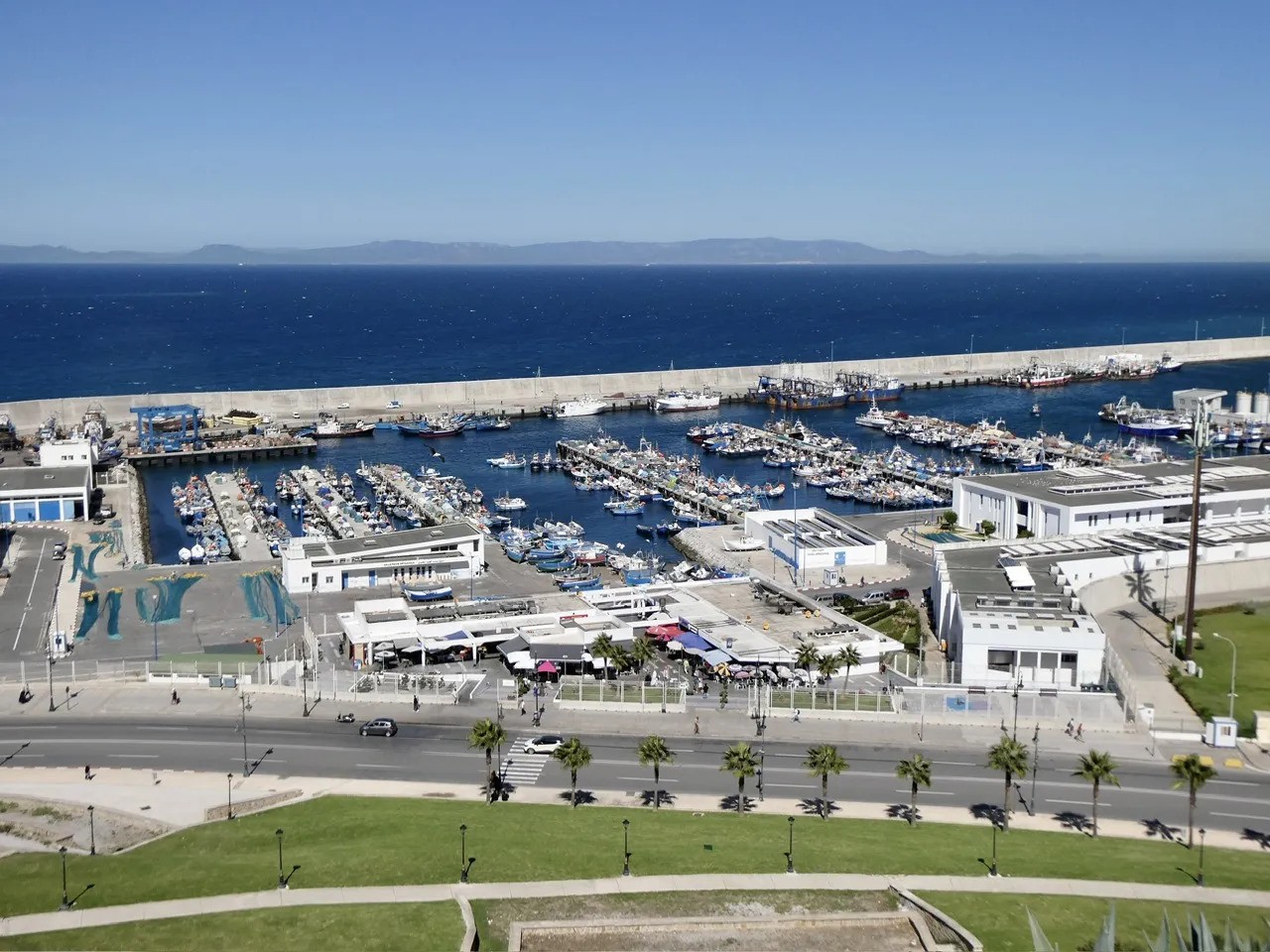
Morocco is set to enhance its logistics sector significantly by expanding its fleet of commercial vessels, driven by increasing demand in Mediterranean ports, particularly in light of the complex geopolitical situation in the Strait of Hormuz. The port of Tangier Med has emerged as a key player in this context, solidifying its reputation as the primary entry point to the Mediterranean and necessitating substantial investments to accommodate the anticipated rise in maritime traffic through 2024.
Under the leadership of Prime Minister Aziz Akhannouch, the Moroccan government has announced plans to increase the number of container cargo ships to 100 over the next 15 years. This initiative will involve both public and private sector participation and is currently under review by Minister of Transport and Logistics, Mohamed Abdeljalil. The decision reflects Morocco's commitment to enhancing its maritime capabilities, leveraging the success of its ports in the global market despite ongoing market volatility.
The port of Tangier Med is recognized as Africa's main industrial zone and ranks as the second-largest economic area globally, following Jebel Ali in Dubai. For five consecutive years, it has led Africa and the Mediterranean in container throughput, underscoring its strategic importance.
Morocco aims to boost exports from its shipbuilding industry to $200 million, focusing on the production of essential maritime equipment such as life jackets, communication devices, and navigation tools. The government's Economic, Social, and Environmental Council has highlighted the critical role of investment in achieving these targets, with naval investments reaching $50 million between 2021 and 2023.
In the coming years, Tangier Med plans to invest $714 million in expansion projects aimed at enhancing the capacity of its passenger and truck terminals and modernizing the import area. This investment, as detailed in a report from the World Bank's Multilateral Investment Guarantee Agency, will significantly increase the port's container handling capacity, expanding the truck terminal to accommodate one million units.
The shipping sector in Morocco is projected to grow at a rate of 6.11% annually over the next four years, with an expected market size of $21.29 billion between 2023 and 2024. Morocco's extensive coastline of over 3,500 kilometers and its 1.2 million square kilometers of exclusive economic zone provide substantial opportunities for expansion in the shipping industry.
The country boasts 43 ports, 14 of which are fully operational and open to international trade. According to Ahmed Al-Shami, chairman of the Economic Council, Morocco's competitive advantages include robust port infrastructure and lower labor costs compared to other Mediterranean countries.
The Moroccan government is exploring successful strategies from other sectors, such as automotive and aviation, to apply to the shipping industry. Proposed measures include reducing tariffs, eliminating taxes, and introducing incentives, all aligned with the new Investment Charter.
The port of Tangier Med, strategically located near the Strait of Gibraltar, remains a leader in the Mediterranean, connecting to over 180 international ports. In the previous year, it handled 8.61 million containers, marking a 13.4% increase from the prior year. The total cargo handled by Moroccan ports reached approximately 107 million tonnes, representing over half of the total cargo processed in the country.
As Morocco continues to invest in its maritime infrastructure and expand its shipbuilding capabilities, it is well-positioned to enhance its role in global shipping and logistics, driving economic growth and regional connectivity.