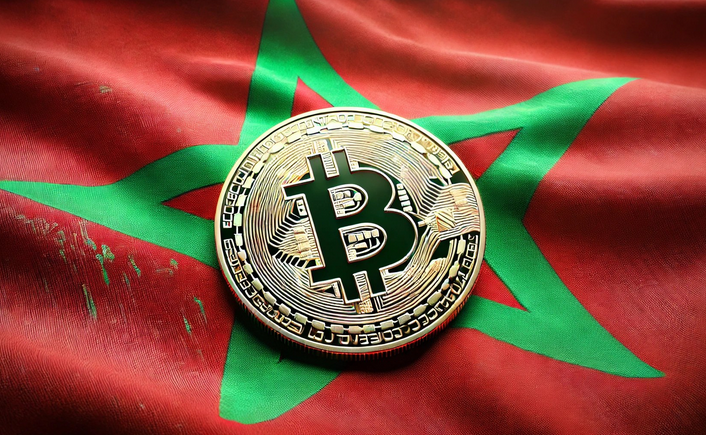
Morocco’s New Draft Regulations End 7-Year Digital Asset Ban
-
 Loading...
 - Alira Evans
- 05 Dec 2024
- 38 Views
- 0 Like
- 0 Comment
Morocco is set to lift its seven-year ban on digital assets as the government has drafted new regulations for the sector. In a recent address, Abdellatif Jouahri, the governor of Bank Al-Maghrib (BAM), announced that the country is softening its stance on cryptocurrencies and that the new legal framework is nearing completion, with plans to present it to lawmakers soon.
During his speech at the 4th Regional High-Level Symposium on Financial Stability in Rabat, Jouahri stated, “In this regard, Bank Al-Maghrib, with the participation of all stakeholders and the support of the World Bank, has prepared a draft law regulating cryptoassets, which is currently in the adoption process.” This marks a significant policy shift for Morocco, which had imposed a ban on digital assets in 2017, coinciding with a period of rapid adoption across Africa.
Despite the ban, Morocco has not been able to curb the growing interest in digital assets. In fact, last year, Chainalysis ranked Morocco 20th globally for cryptocurrency adoption, a slight decline from its 14th position in 2022. A recent survey indicated that nearly 5% of Morocco's 39 million citizens own digital assets, highlighting the persistent demand for cryptocurrencies despite regulatory restrictions.
The draft regulations signify a drastic change in the stance of BAM, which had previously warned citizens about the risks associated with digital assets, linking them to illegal activities such as money laundering. However, the new approach aims to provide adequate protection for users and investors while allowing Morocco to remain competitive in the global digital economy. Jouahri emphasized the importance of balancing innovation with user safety, stating, “The Moroccan authorities adopted a regulatory approach aimed at ensuring adequate protection for users and investors, while preserving the opportunities to capitalize on these innovations.”
In addition to regulating digital assets, BAM is also exploring the introduction of a digital dirham. Jouahri noted that this initiative could contribute to achieving public policy objectives, particularly in enhancing financial inclusion. He acknowledged that the development of a central bank digital currency (CBDC) is a long-term endeavor that must consider the national socioeconomic context and the evolving regional and international landscape.
The CBDC project has been in progress for over three years, but BAM has not yet announced a launch date. Jouahri mentioned that the bank is currently focusing on cybersecurity aspects of the digital currency, collaborating with global partners to ensure a secure implementation.
As Morocco prepares to embrace digital assets and explore the potential of a digital currency, the country is positioning itself to adapt to the rapidly changing financial landscape and capitalize on emerging technologies.