Multicultural Religious Education for Peace in Post-Conflict Poso, Indonesia
-
 Loading...
 - Aiguo Wang
- 10 Dec 2024
- 114 Views
- 0 Like
- 0 Comment
In the aftermath of horizontal conflict between Muslims and Christians in Poso, Central Sulawesi, Indonesia, a vertical conflict emerged between extremist groups and the government, leaving a lasting impact on civil society. However, this has not hindered peacebuilding efforts in the regency. One approach to building peace is through multicultural religious education, which has been implemented by several NGOs in collaboration with local governments, religious leaders, educational institutions, youth figures, and women's communities.
Inclusive Education for Peace
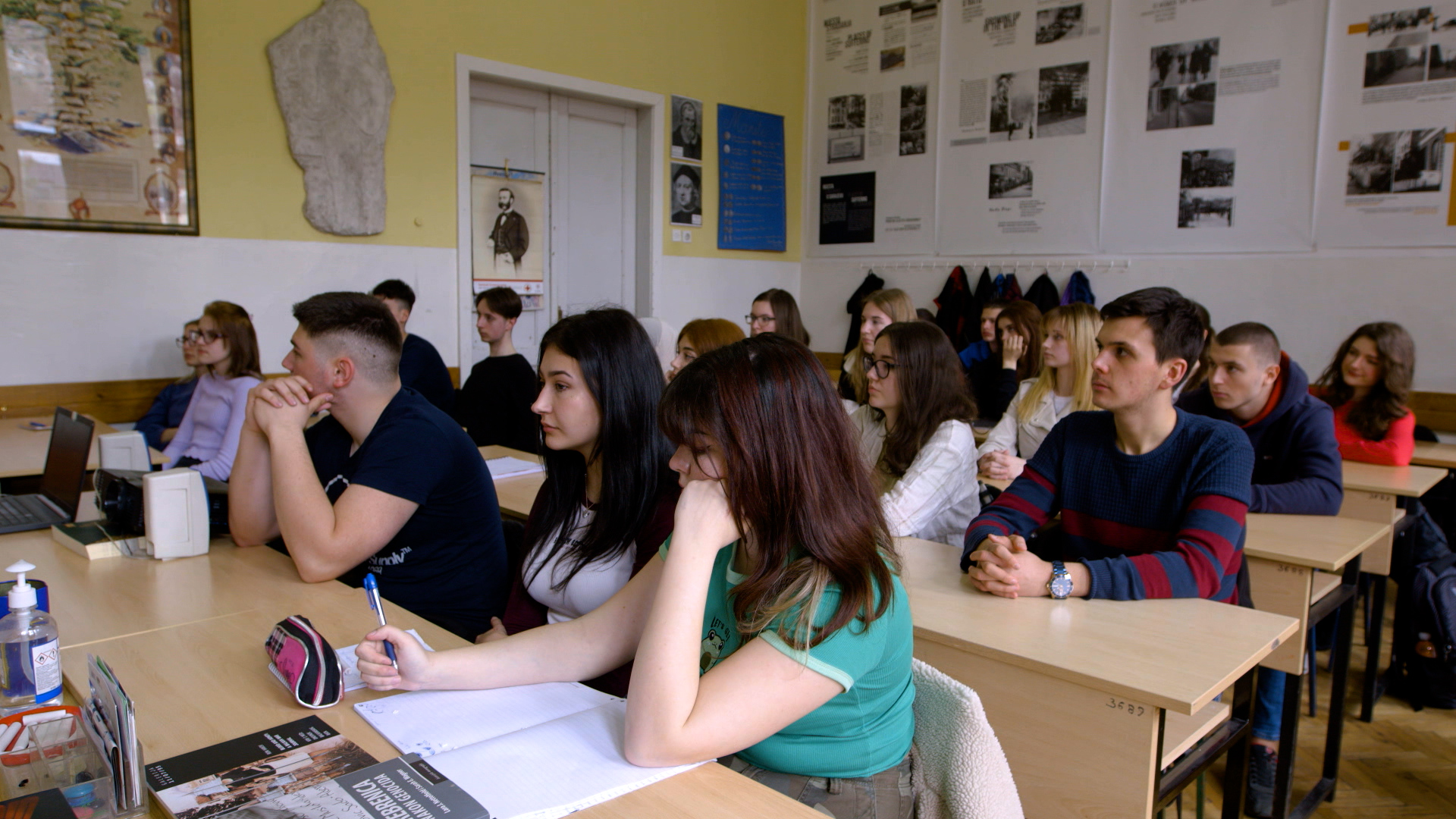
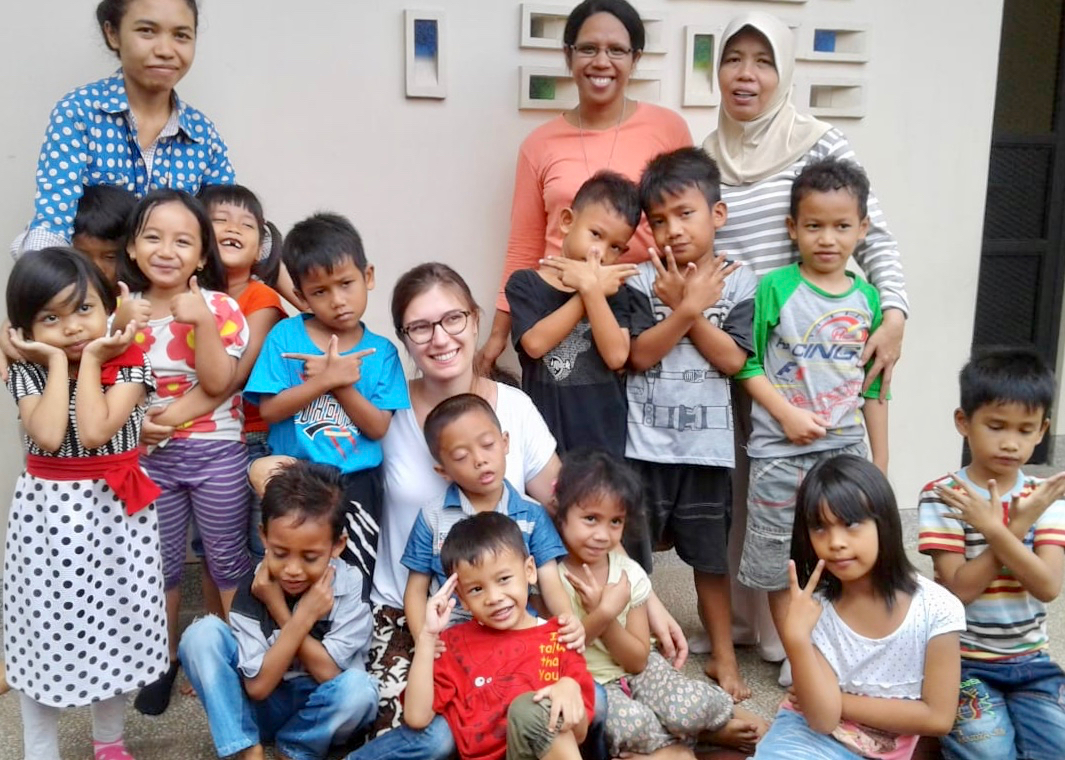
NGOs have involved religious teachers and students of various religions in inclusive education, training young people to be peace agents, and mentoring to build a peaceful life in diversity. This has inspired many religious teachers to present an inclusive multicultural learning model in many schools in Poso. They are implementing religious learning, extracurricular activities, socio-religious activities, and humanitarian solidarity programs responsive to peace practices in Poso's post-conflict environment.
Multicultural Religious Education Strategies
To support the development of religious peace in schools after the conflict, several strategies have been implemented, including:
i. Responsive multicultural school policies: A principal in Poso has implemented a multicultural religious education policy that considers the Poso community's social context, which has experienced religious conflict in the past.
ii. Improving the multicultural competence of religious teachers: Schools in Poso continue to improve teachers' multicultural competence through interfaith trainings that promote harmony between Christians and Muslims.
iii. Formulation of inclusive multicultural learning objectives: Religious education objectives are formulated to foster multicultural understanding and awareness, both in spiritual and social aspects.
iv. Integration of multicultural values into the curriculum: All schools in Poso integrate multicultural values such as mutual forgiveness, respect, compassion, tolerance, and cooperation in religious education materials.
v. Contextual learning practices: Religious teachers link multicultural materials with the realities of the Poso area, which has been in conflict and building peace.
vi. Evaluation of multicultural learning outcomes: Learning evaluation involves an integrative assessment between cognitive aspects and socio-humanitarian practices, focusing on student involvement in interreligious and intercultural activities.
Building a Culture of Peace
Through these strategies, students are taught about the teachings of their religions, which include non-violence and respect for the teachings of other religions on the principle of human equality as God's creatures and citizens of the nation. Religious teachers educate inclusive, tolerant, and peaceful dialogue in schools and the Poso community. Students bring a culture of peace into their families and communities, becoming agents of peace in real-life dialogue between religious communities.
Multicultural religious education has become an inclusive means responsive to peace, eliminating negative stigma and promoting non-violent attitudes towards people of other religions. This approach has contributed to building a peaceful Poso, where students from various religious backgrounds are given the same opportunity to believe and worship at school, participating in academic, extracurricular, socio-religious, and solidarity activities in the name of humanity.