Multiethnic Colombia shines in Barranquilla Carnival's Great Parade
-
 Loading...
 - Emerald Murphy
- 28 Mar 2022
- 364 Views
- 0 Like
- 0 Comment
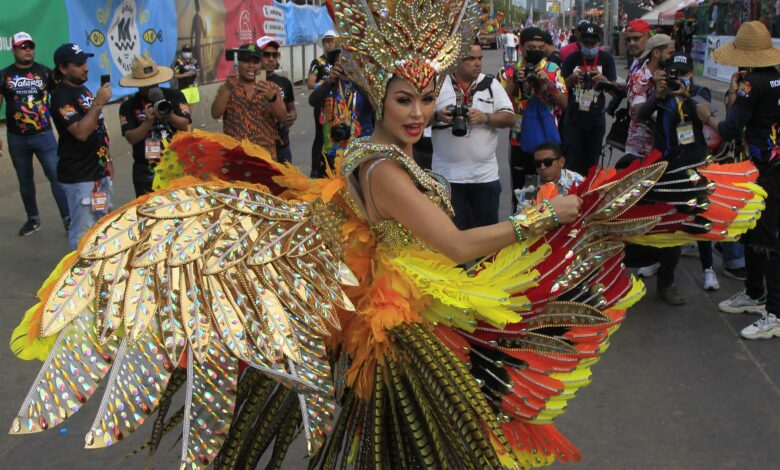
With a spread of multiethnic folkloric expressions representing multicultural Colombia, the Great Parade of Tradition was held Sunday on the second day of the Barranquilla Carnival.
The parade allowed those attending the “Vía 40 Cumbiodromo” to appreciate the dances, music, rhythms, diversity and generational heritage that keep the most important popular festival in Colombia alive, dubbed a “Masterpiece of the Oral and Intangible Heritage of Humanity” by UNESCO.
Groups danced to the rhythm of cumbia, mapale, garabato, congos, farotas and son de negro, among many other folkloric expressions that throughout history reached the Barranquilla Carnival in the boats that crossed Colombia’s main Magdalena River.
The Great Parade of Tradition paid tribute this year to the “Harlequin Devils,” a dance product of European, African and indigenous cultural syncretism in which participants in multicolored dresses act as fire breathers while they dance to delight the public.
This dance, whose origin is in the Caribbean region of Colombia when men dressed as demons danced in processions outside the temple with spurs and rattles, was accompanied by carnival queen Valeria Charris, who wore a fancy traditional dress to honor them.
Like every year, cumbia is the most important rhythm in the Barranquilla Carnival parades. This dance, of African, indigenous and Spanish origin, is the result of miscegenation between these cultures during colonial times in northern Colombia.
Also on stage were the mapale, an African dance whose name comes from the rapid movements of a fish when it is taken out of the water, and the garabato, which represents the victory of joy over death.
Similarly, the congos, which represent a battle for joy and the farotas, representation of indigenous revenge against Spanish rapists, among others, continue to be renewed in the carnival. Read More…