Nanowire networks can learn and memorize like the human brain, study says
-
 Loading...
 - Jake Martin
- 25 Apr 2023
- 55 Views
- 0 Like
- 0 Comment
Researchers demonstrate how nanowire networks exhibit short as well as long-term memory.
A team of scientists at the University of Sydney have demonstrated that short and long-term memory which is generally associated with the human brain can be reproduced in non-biological hardware as well.
In their study, the researchers found that nanowires, a type of nanotechnology made from tiny and highly conductive wires invisible to the naked eye, mimicked the human brain’s activity in identifying and remembering an image from memory.
How did they achieve this?
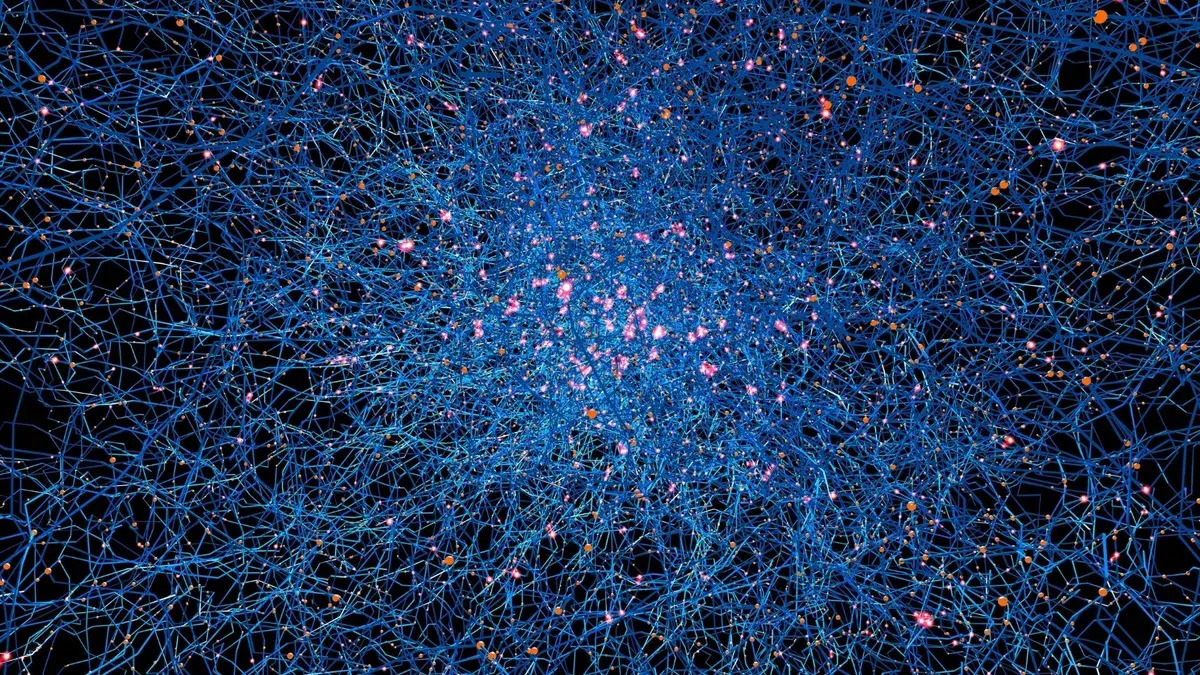
Nanowire networks are scattered across like a mesh, mimicking the structure of a human brain. Co-author of the study, Professor Zdenka Kuncic explains that this network acts like a synthetic neural network because the nanowires act like neurons, and the places where they connect with each other are like synapses, where information is passed from one neuron to the next.
Two features that were central to their study were learning and memory. The team used a test called the ‘n-back task’, which is used for measuring memory in human beings. It involves presenting a stimulus sequence, which could be a series of images, and comparing each new entry with one that occurred some steps ago.
In their press release, they explain: For a person, the n-back task might involve remembering a specific picture of a cat from a series of feline images presented in a sequence. An n-back score of 7, the average for people, indicates the person can recognize the same image that appeared seven steps back. Read More….