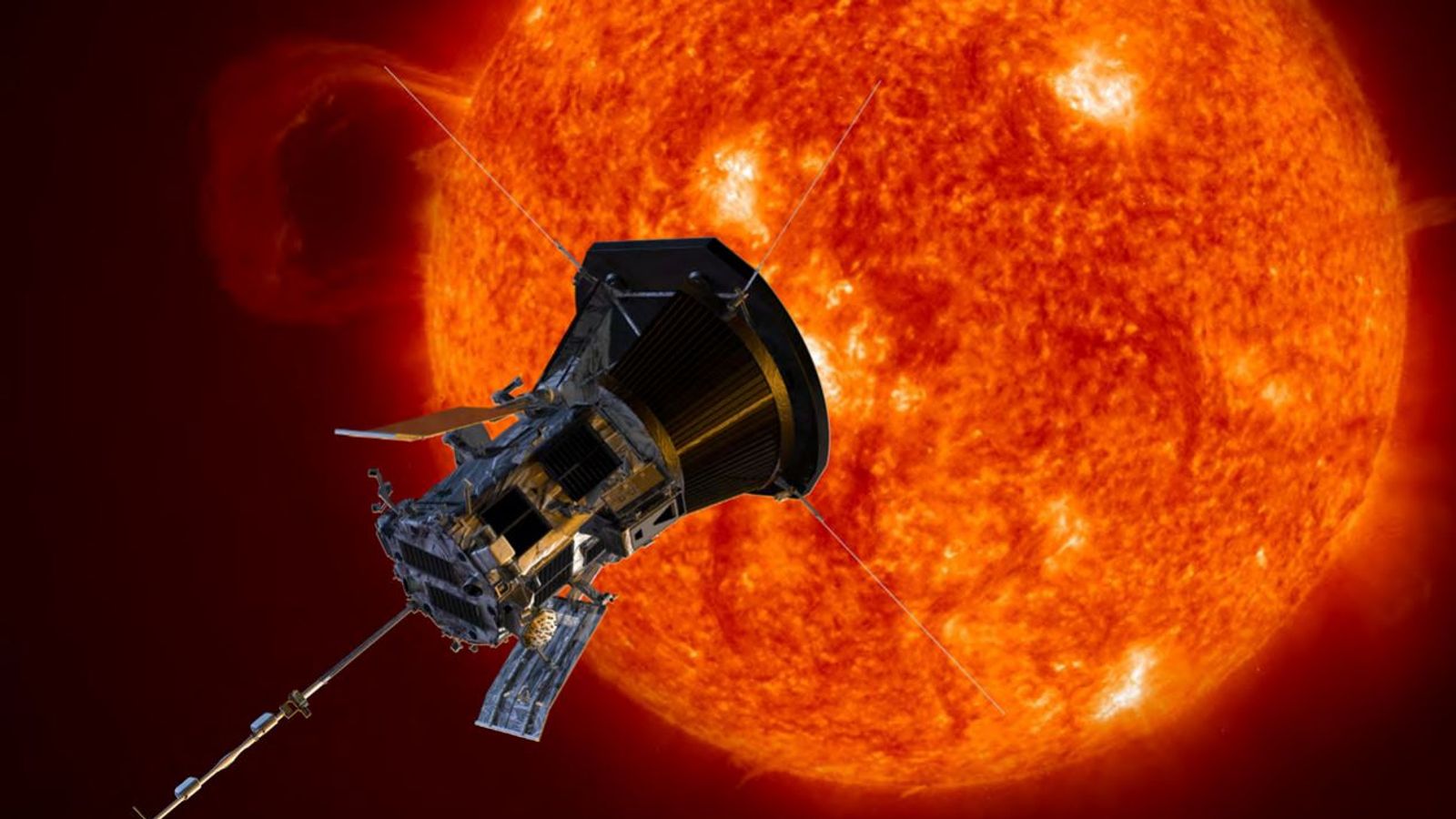
NASA probe 'touches the sun' in landmark spaceflight
-
 Loading...
 - Elsie Fisher
- 16 Dec 2021
- 484 Views
- 0 Like
- 0 Comment
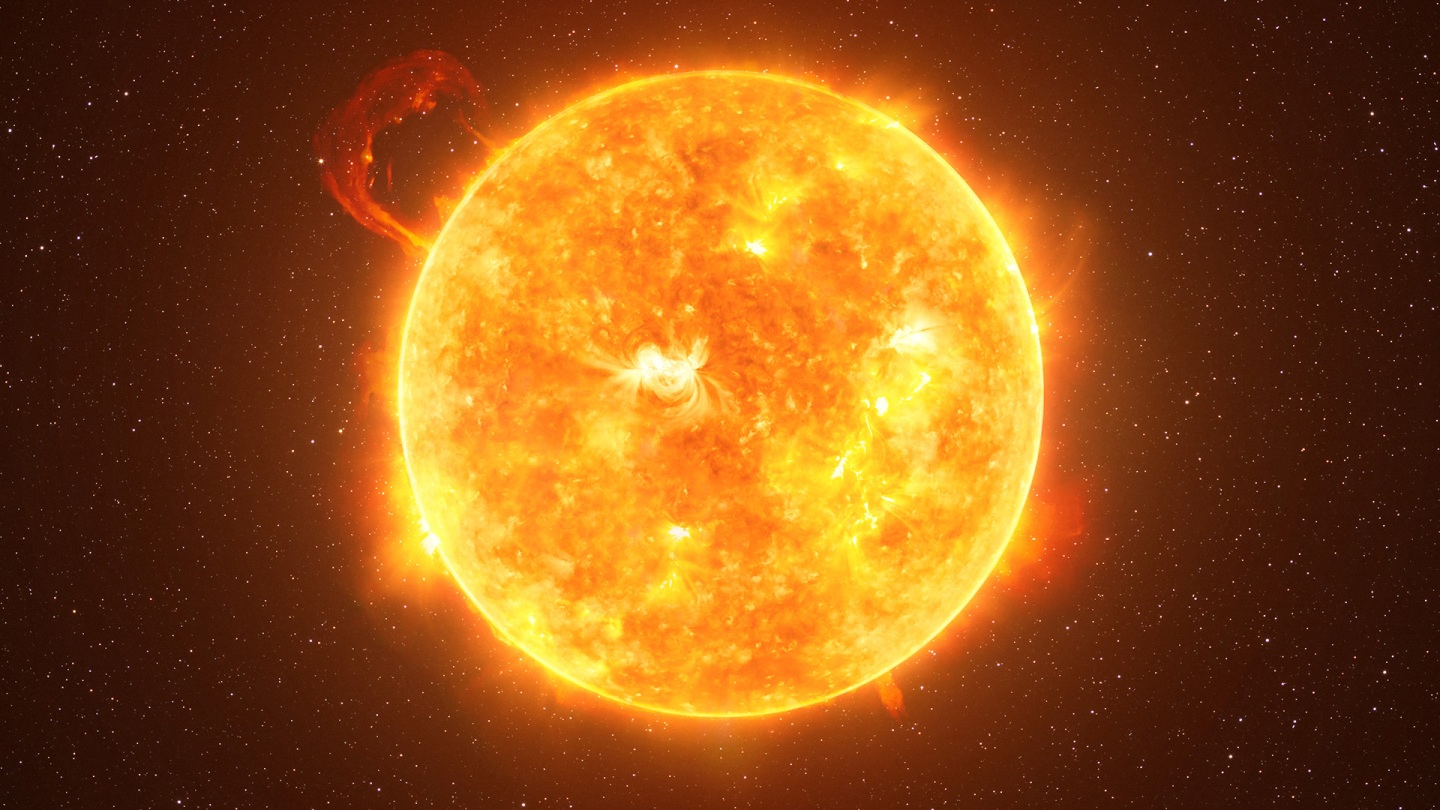
A solar probe has flown through the Sun's outer atmosphere for the first time, newly analysed data has confirmed.
Although the flight through the solar corona took place in April, it has taken several months for the data the probe captured to be sent back to the Earth.
It is one of the most extreme journeys a spacecraft has ever endured, coping with extreme radiation and temperatures close to the melting point of steel.
What is the sun's atmosphere?
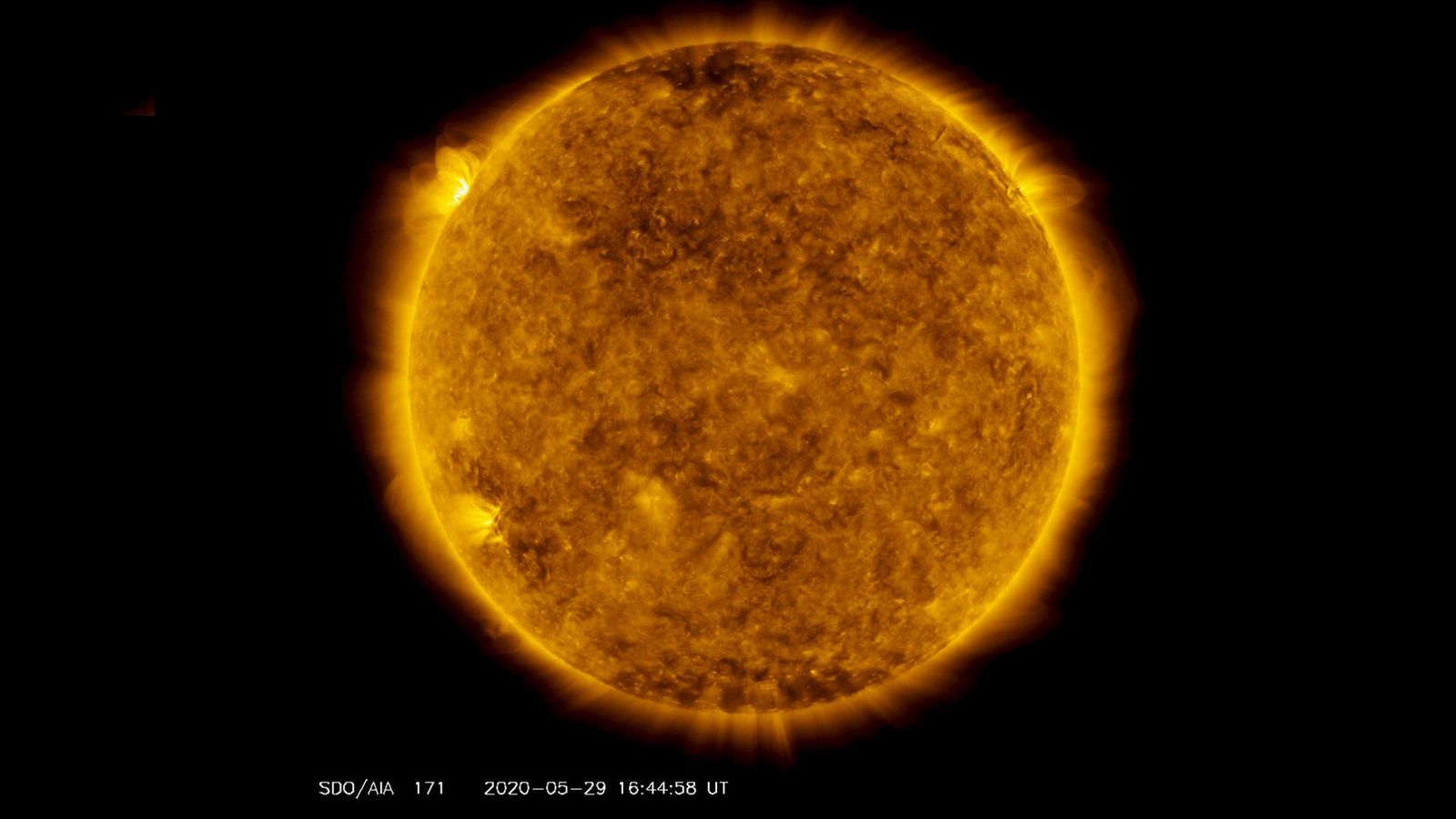
Defining the sun's atmosphere is a challenge. As an enormous ball of gas, it simply gets less and less dense the further away from the surface you look.
But away from these obvious whirls of plasma there is a superheated atmosphere comprised of solar material bound to the star by magnetic forces and gravity.
At a certain distance the pressure and heat of the star are too powerful for the other forces to keep the solar material constrained and it gets expelled away from the star, becoming the solar wind.
This point is known as the Alfven critical surface, but until now researchers did not know where exactly this surface was.
Using data captured by the Parker Solar Probe, scientists were able to confirm that it had passed the Alfven critical surface and entered the solar atmosphere.
It also uncovered that the Alfven critical surface is not shaped like a smooth ball but instead has contours, "spikes and valleys that wrinkle the surface".
Touching the sun
"Touching the sun," as NASA's Thomas Zurbuchen described it, "is a monumental moment for solar science and truly remarkable feat."
The probe flew through the atmosphere at more than 500,000 km/h (320,000 mph), withstanding enormous temperatures thanks to its carbon composite coating. Read More…