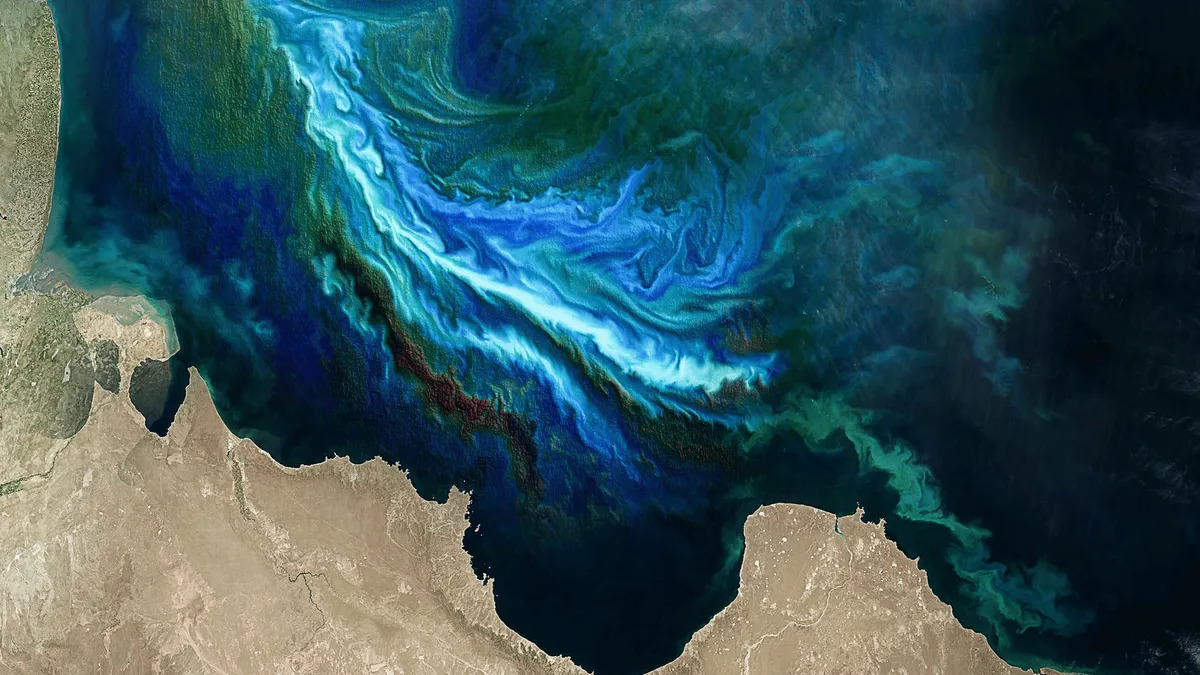
NASA's Aqua: Algal bloom trends finally spotted thanks to space view
-
 Loading...
 - James Fisher
- 02 Mar 2023
- 74 Views
- 0 Like
- 0 Comment
Previous research has struggled to accurately characterize bloom patterns.
The size and frequency of coastal phytoplankton blooms rose between 2003 and 2020, according to a study published in Nature on March 1.
The results are significant since previous research has struggled to accurately characterize bloom patterns due to infrequent sampling and the diversity of particular ecosystems in which they occur.
Now, this map of bloom patterns on a global scale provides a valuable resource for assessing these events, which could inform environmental policymaking.
Phytoplankton blooms from space
By analyzing 760,000 photos taken by NASA's Aqua satellite between 2003 and 2020, Lian Feng and colleagues created a detailed map of the distribution and trends of blooms this century.

They document that the total bloom-affected area in 2020 was 31.47 million kilometers2 (8.6 percent of the global ocean area). This was an increase of 3.97 million km2 (13.2 percent) from 2003. Moreover, a 59.2 percent increase in global median frequency was seen during the observational period. Read More…