Natural Beauty in Natural Light Photography
-
 Loading...
 - Japheth Young
- 21 Aug 2024
- 49 Views
- 0 Like
- 0 Comment
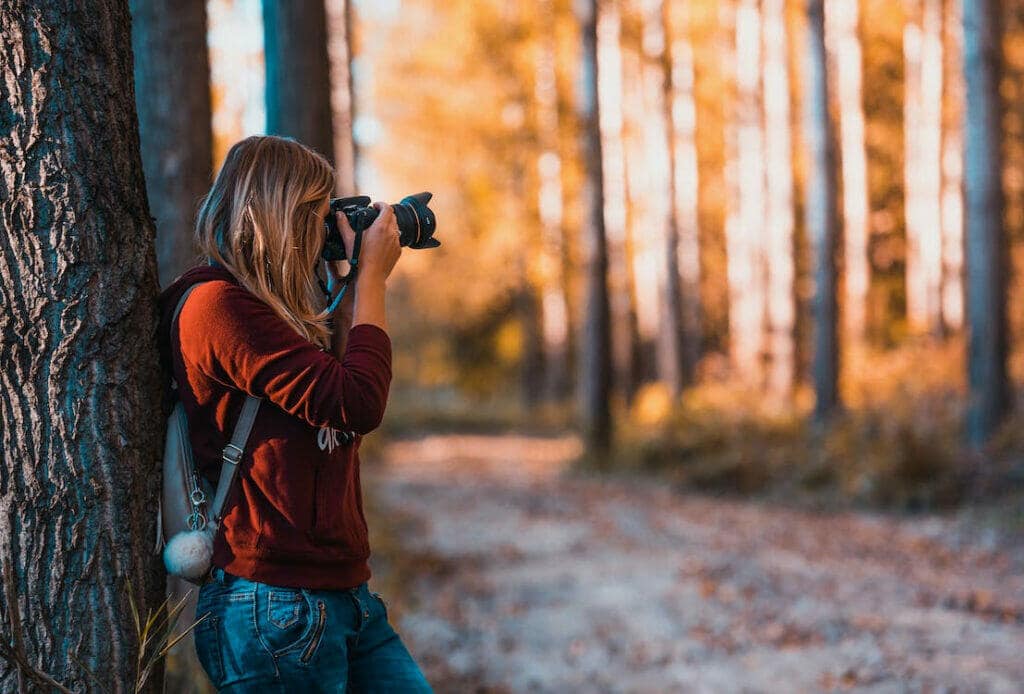
Natural light photography, especially when capturing natural beauty, is a timeless approach that emphasizes the subject’s authentic charm without relying on artificial lighting. Here’s how to harness the power of natural light to enhance natural beauty in your photographs:
1. The Magic of Golden Hour
- What It Is: Golden hour occurs shortly after sunrise and just before sunset when the sun is low in the sky, casting a soft, warm glow. This light is flattering for skin tones and adds a dreamy quality to your photos.
- How to Use It: Position your subject with the light coming from the side or slightly behind to create soft highlights and natural shadows that enhance facial features. Backlighting can also produce a beautiful halo effect around your subject's hair.
2. Utilizing Diffused Light
- What It Is: Diffused light is soft, indirect light that occurs on cloudy days or in shaded areas. It eliminates harsh shadows and creates an even illumination, which is ideal for close-up portraits.
- How to Use It: Shoot in the shade or near large windows covered by sheer curtains to take advantage of diffused light. This lighting is perfect for capturing delicate details and natural skin textures without overexposing or washing out the subject.
3. Emphasizing Natural Backdrops
- Integration with Nature: Incorporating natural elements like trees, flowers, or water bodies into your composition can enhance the sense of natural beauty. These elements can frame the subject or provide context to the scene.
- Texture and Contrast: Use the textures and colors of the natural environment to contrast with the smoothness of the subject’s skin or the flow of their hair. For example, positioning your subject against a lush green background can make their features pop.
4. Capturing Movement
- What It Is: Natural light is perfect for capturing subtle movements, like the wind blowing through hair or the fluttering of clothing. This adds a dynamic quality to your photos.
- How to Use It: Encourage your subject to move freely, whether it’s walking, twirling, or interacting with the environment. The interplay of light and movement can create a more engaging and lively image.
5. Attention to Details
- Close-Ups: Natural light is perfect for macro photography or close-up shots that highlight specific features like eyes, hands, or hair. These details can convey intimacy and emotion.
- Reflective Surfaces: Utilize natural reflectors like water, sand, or even light-colored walls to bounce light onto your subject, filling in shadows and adding depth to your images.
6. Post-Processing with Care
- Enhancing the Natural Look: When editing, focus on enhancing the natural colors and light present in the photograph rather than drastically altering them. Adjustments to contrast, brightness, and sharpness should complement the existing natural light.
- Subtle Retouching: Retouching should be minimal, focusing on maintaining the natural beauty of the subject. Emphasize the glow created by natural light rather than masking it with heavy filters.
Natural beauty in natural light photography is about celebrating authenticity. The key is to work with the light available to you, whether it’s the soft light of dawn, the diffused light of a cloudy afternoon, or the warm tones of sunset. By understanding and utilizing natural light effectively, you can create stunning, evocative images that highlight the true essence of your subject.