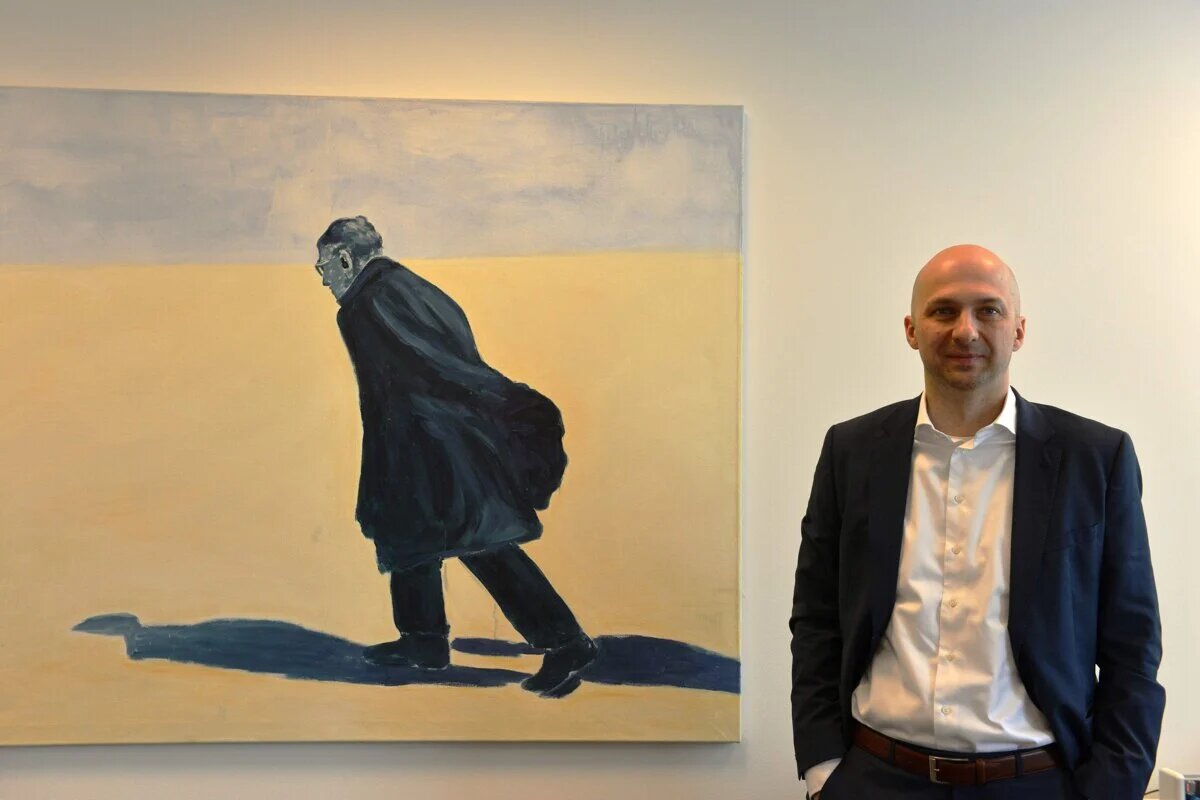
New building laws should take politics out of development, says expert Peter Bartošík
-
 Loading...
 - Bohdan Bucic
- 03 May 2023
- 69 Views
- 0 Like
- 0 Comment
Slovak real estate legislation differs from that of many other countries.
Current legislation and processes around the granting of construction permits for new buildings has been far from optimal for some time, according to lawyer Peter Bartošík. They allow for municipalities to exert political influence over new developments, as well as causing problems with staff turnover at construction authorities after each municipal election, which in turn often leads to significant understaffing of those same authorities. Meanwhile, the complexity of the process to obtain a building permit in Slovakia means the time between land acquisition and the start of construction work can be as much as five years for some projects.
But with new building legislation due to come into effect from April next year, the situation should soon take a turn for the better, the lawyer says. The Slovak Spectator spoke to Bartošík, a co-founder of the Bartošík Šváby law firm, about the new legislation, the differences between Slovak and other countries’ real estate laws, and more.
How does Slovak real estate legislation differ from that in other European countries?
The most important difference is that in most European countries, there is a rule that the building yields to the land. In Latin, this rule is called superficies solo cedit, or the surface yields to the ground in English. In other continental jurisdictions, any structure that is built on land automatically becomes the property of the landowner. In Slovakia, the ownership of a building and land can be divided. This, of course, can cause a lot of legal problems. Another difference is the form of the land register, which in Slovakia does not have the same type of binding nature as it has in other countries. Therefore cadastral data can be challenged in court proceedings. This again creates a degree of legal uncertainty. Read More…