New MPA Tic-Toc Golfo Corcovado a safe haven for blue whales in Chile
-
 Loading...
 - Noah Harrison
- 05 Apr 2023
- 79 Views
- 0 Like
- 0 Comment
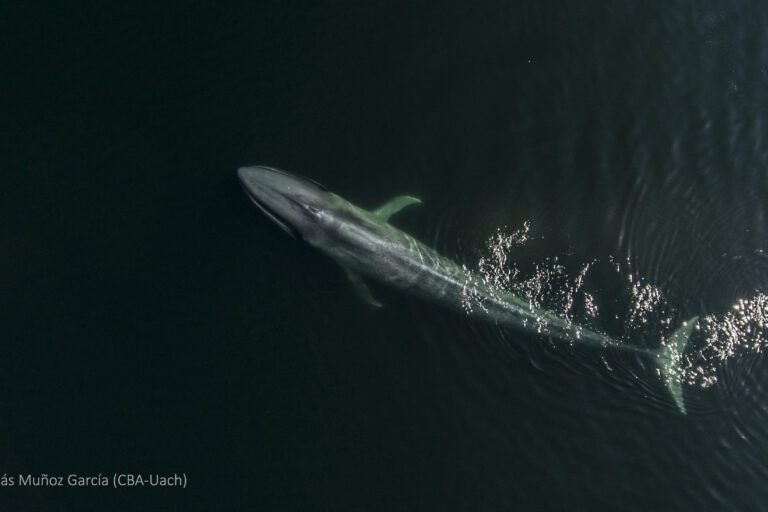
Chile has a new marine protected area (MPA) in Patagonia that will safeguard an important feeding and breeding area for blue whales (Balaenoptera musculus), a species listed as endangered by the International Union for Conservation of Nature (IUCN).
The country’s Council of Ministers for Sustainability approved the Tic-Toc Golfo Corcovado Marine Park in Northern Patagonia in December 2021. The new MPA finally came to fruition in July 2022, after more than two decades of conservation efforts spearheaded by scientists and conservationists, when the Chilean government issued a decree officially establishing it.
Located south of the island of Chiloé in the Gulf of Corcovado, the MPA spans 100,000 hectares (247,100 acres). The area is frequented not only by blue whales, but also by humpback whales (Megaptera novaeangliae), sei whales (Balaenoptera borealis), at least two species of dolphin, including Peale’s (Lagenorhynchus australis) and Chilean (Cephalorhynchus eutropia), the South American sea lion (Otaria flavescens) and colonies of penguins. It is also visited by the black-browed albatross (Thalassarche melanophris), the southern royal albatross (Diomedea epomophora) and the sooty shearwater (Ardenna grisea) — all birds that feature in the IUCN Red List of Threatened Species.
Whales under siege
A few years ago, scientists confirmed that Chilean Northern Patagonia is the most important feeding and breeding area for the Eastern South Pacific population of blue whales during the austral summer. This would turn out to be a key discovery in protecting this globally unique blue whale population, which is now composed of just a few hundred individuals. These whales sing or vocalize differently from other blue whale populations living elsewhere in the world, according to Susannah Buchan, an oceanographer affiliated with the University of Concepción in Chile among other institutions who helped discover their distinctive sounds. The blue whales in Chilean waters have their own dialect, making them a truly unique population.
Then, in 2021, researchers from the Chilean nonprofit Blue Whale Center were able to demonstrate, with images, the impact that shipping traffic has on whales in Chilean Northern Patagonia.

Scientists used a satellite tracking system with 14 whales to identify the places they visited most often. In parallel, they constructed a map showing shipping routes based on satellite information. Read More…