Niantic moves beyond games with Lightship AR platform and a social network
-
 Loading...
 - Lucas Wilson
- 02 Jun 2022
- 264 Views
- 0 Like
- 0 Comment
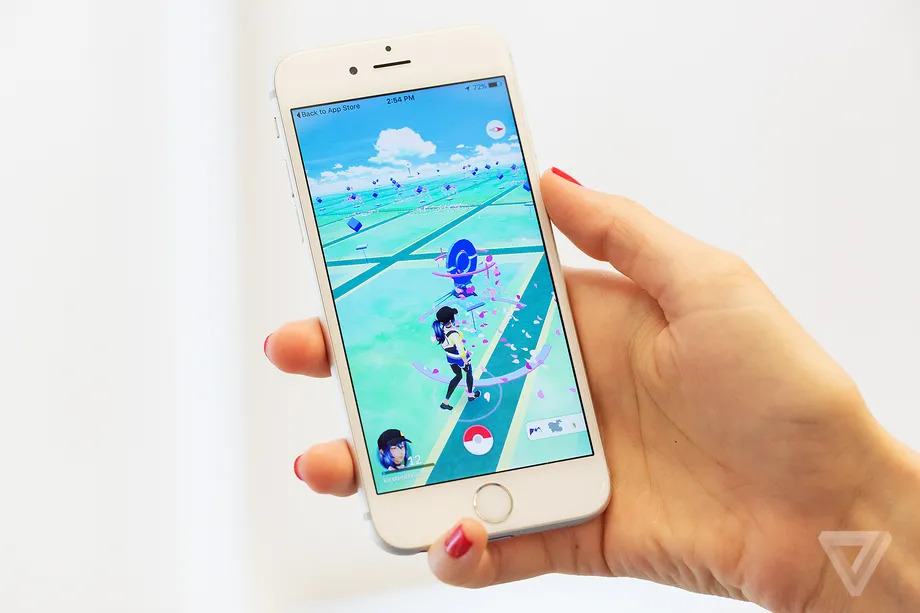
Niantic made a name for itself in the mobile gaming industry through the enduring success of Pokémon Go. Now the company is hoping to become something else: a platform for other developers to build location-aware AR apps on top of.
This plan has been in the works since at least 2018, but it’s taking a big leap forward this week with the long-awaited release of Niantic’s location mapping software for AR, which it calls the Visual Positioning System, or VPS in a nod to GPS. The technology makes it so that AR experiences can be grounded to a physical location, like the front of a building or a park monument, rather than just floating aimlessly through a phone’s camera view.
Developers can now use VPS as the tentpole feature of Niantic’s broader Lightship SDK, which also lets multiple devices access a shared AR experience — like a 3D multiplayer game — at the same time. VPS will be free during an initial public beta period and then switch later this year to a tiered billing system that’s based on an app’s number of monthly users, according to Niantic spokesman Jonny Thaw.
:format(webp):no_upscale()/cdn.vox-cdn.com/uploads/chorus_asset/file/23583755/Niantic_Campfire.jpg)
In addition to VPS, Niantic is this week also releasing Campfire, a location-based social network that integrates with its games and future apps that use Lightship. Campfire taps your Niantic account’s list of friends to show their locations on a map if they opt in, along with nearby in-game experiences. You can organize and RSVP to real-life meetups for these experiences, such as a Pokémon raid, and chat with other players in a group. The goal is for Campfire to not only make Niantic’s games more social but provide a way for other developers to have their Lightship-powered apps be discovered by the company’s millions of users.
To power VPS, Niantic has crowdsourced millions of phone camera scans of real-world locations by both Ingress and Pokémon Go players. It claims to have 30,000 VPS-activated locations around the world, along with centimeter-level precise maps for large parts of San Francisco, London, Tokyo, Los Angeles, New York City, and Seattle.
With this location layer, Niantic hopes to offer a critical piece of infrastructure for AR apps, whether they’re on phones or, eventually, smart glasses. The company charges developers with large user bases to access the server-side aspects of Lightship, including VPS and multiplayer functionality. That gives Niantic a potential revenue stream beyond the significant amount of money it already makes from Pokémon Go, though CEO John Hanke doesn’t expect Lightship to be a meaningful revenue driver in the near term. Read More...