Nigeria election triggers deluge of ‘fake news’ on social media
-
 Loading...
 - Lara Jones
- 16 Feb 2023
- 75 Views
- 0 Like
- 0 Comment
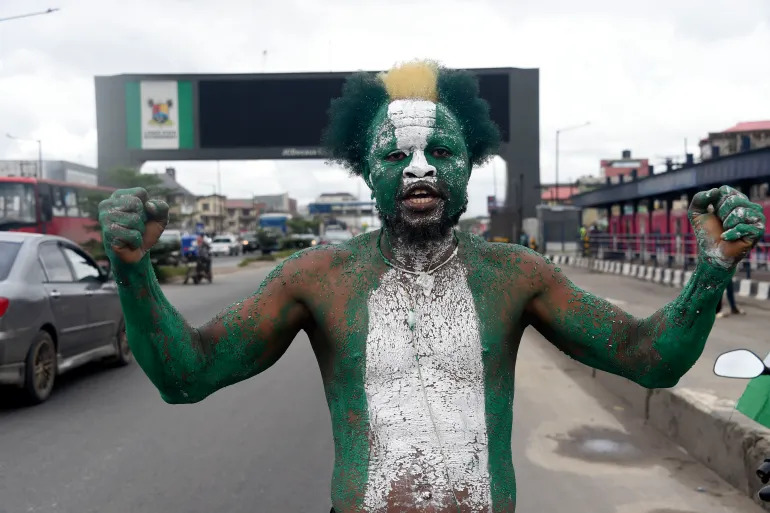
Experts and activists say political actors have expanded the scope of misinformation ahead of the 2023 general elections in Nigeria.
Since last November, Felix Oyewole has watched an avalanche of political content descend on his social media newsfeed ahead of Nigeria’s forthcoming presidential and parliamentary election on February 25.
These days, the 23-year-old Lagos-based student is unsure of which posts are true and which are not.
Some of these posts have targeted Peter Obi, Labour Party’s presidential candidate. The surprise frontrunner has been accused of paying church groups to speak at their forums and tagged as part of the separatist group, Independent People of Biafra (IPOB). Another claim is that Rabiu Kwankwaso, presidential candidate of the New Nigeria People’s Party (NNPP) does not have the academic doctorate he claims to have obtained, in addition to an honourary one.
“I think this trend is crazy,” Oyewole, a first-time voter told Al Jazeera. “Sometimes I just laugh really, they are desensitising people.”
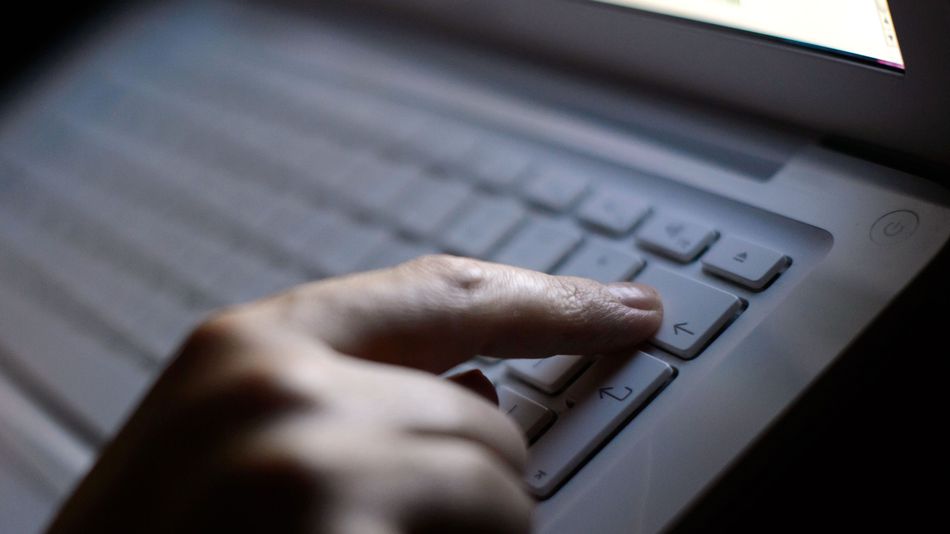
Ahead of the vote, there has been an explosion of fake news across social media platforms. Divisive content on subjects like religion and ethnicity is also littered across social media networks like Facebook, Twitter, TikTok and WhatsApp.
Experts say while social media allows Nigerians to share information in real time, political strategists are weaponising this ahead of the forthcoming polls.
Idayat Hassan, director of Abuja-based think tank the Centre for Democracy and Development [CDD], told Al Jazeera that misinformation and disinformation are “plaguing this election” as political actors encourage the spread because they see it as a means to an end.
“The real motive is either to delegitimise other candidates or to suppress and garner votes,” she said.
In January, a BBC report uncovered how Nigerian politicians secretly paid social media influencers as much as 20 million Nigerian naira ($43,000) or promised government contracts and political appointments to spread disinformation about opponents. Some of these influencers are also being recruited to “situation rooms” to monitor the spread of the fake news, the report added. Read More…