
Nine Polish novels you must read before you die

Anybody treating the title of 1,001 Books You Must Read Before You Die seriously faces an almost impossible challenge. But for those interested in Polish literature, tackling the nine works in this compilation that were originally written in Polish is far more feasible (the list also contains works by Joseph Conrad and Isaac Bashevis Singer, who were born and raised in Poland but wrote in English and Yiddish respectively).
The Polish books included in the collection range from historical fiction and short stories to dystopia and science fiction, including staples of school reading lists as well as less well-known choices. Here is an overview of their themes, context and adaptations.
Quo Vadis, by Henryk Sienkiewicz, 1896
This highly entertaining historical epic has been translated into more than 50 languages, making it the most internationally successful Polish novel. Numerous film adaptations have also been made, with the 1951 American version probably the best. Sienkiewicz acknowledged that he was inspired by another novel that would later be turned into a Hollywood movie, Lew Wallace’s Ben-Hur.
Quo Vadis is set in Rome during the rule of Nero, when Christians were thrown to the lions before crowds of cheering spectators in the Colosseum. Against this backdrop, the patrician Marcus Vinicius falls in love with Lygia, a beautiful Christian girl. He also becomes enthralled with the Christian ethical system, which preaches equality of all, including slaves.
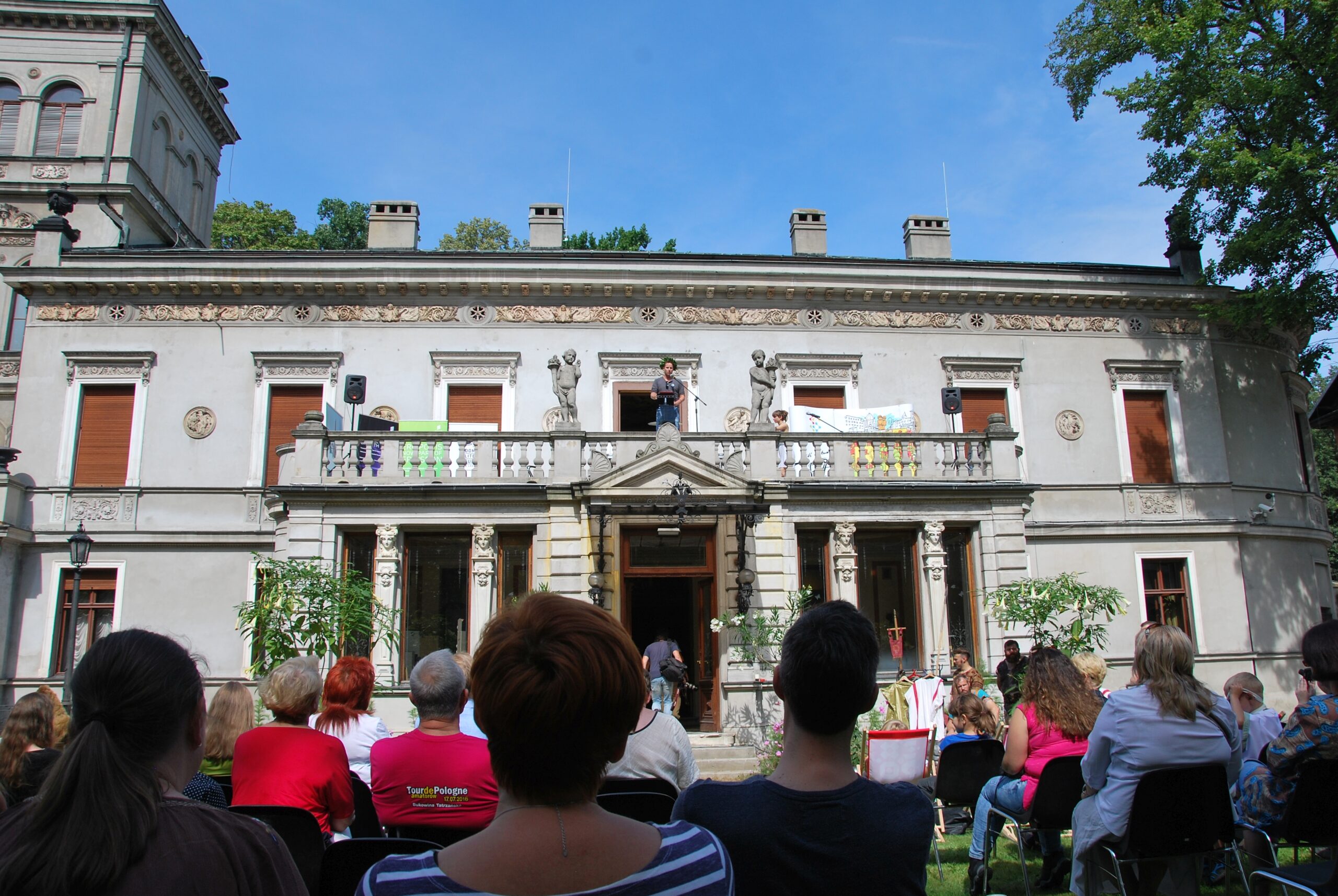
Sienkiewicz said that his intention in writing Quo Vadis was to present the contrast between Rome, materially and militarily powerful yet decadent and depraved, and the early Christian church, persecuted but morally edifying in its unwavering fidelity to the principle of love of one’s neighbour.
The novel has also been interpreted as an allegory for the Poles under foreign domination.
Pharaoh, Bolesław Prus, 1897
Prus’s tale of the rise to power of the fictional Pharaoh Ramses XIII and his struggle against his adversaries, especially the priests, was the favourite novel of Joseph Stalin, who saw it as a manual on attaining and maintaining power. Written amidst Russian censorship, Pharaoh was also a metaphorical treatment of the decline of the once-mighty Polish state in the late 18th century.
Jerzy Kawalerowicz’s film adaptation – shot in the sands of Uzbekistan and Poland’s own BÅ‚Ä™dów Desert – was nominated for Best Foreign Language Film at the 1966 Oscars.
Ancient Egypt is only the background for a study of state power and the Machiavellian methods used to maintain it. Ramses XIII and his courtesans are both cruel and cunning. Their methods in their struggle for power include infanticide and getting opponents lost in labyrinths, from which it is nearly impossible to get out alive.
The priests, meanwhile, are also shrewd schemers: they convince the ignorant Egyptian commonfolk that a solar eclipse is the gods’ punishment against Ramses’ iniquity, thus rousing rebellion against the pharaoh.
Insatiability, Stanisław Ignacy Witkiewicz, 1930
Filled with plays on words, digressions, bizarre imagery, and constant arcane references to various European philosophers, this startlingly prescient modernist dystopian novel is quite a difficult read. However, if you like literary challenges and the names of authors like Thomas Pynchon or James Joyce do not make you run for cover, you just might enjoy Insatiability.
There has been a counterrevolution in Russia, which has been overrun by Chinese communists (the book was written 20 years before the actual communist revolution in China), who are nearing the Polish border.
The Chinese control the minds of their subjects through Murti-Binga pills, a concept reminiscent of “soma” in Aldous Huxley’s Brave New World, which was published two years later. In his classic study The Captive Mind, CzesÅ‚aw MiÅ‚osz borrowed this concept to describe how Polish intellectuals under Stalinist rule adapted to the lies in which they had to function.
All this is seen through the eyes of teenaged Genezyp Kapen, who comes from an aristocratic family, has signed up for military service amidst the looming Chinese attack, and is in the process of becoming a man as he takes part in bizarre sex and drug-filled orgies.
Witkiewicz, widely known in Poland as Witkacy, was a playwright, poet, novelist, painter of psychedelic art, narcotics enthusiast, portrait photographer, and one of the most influential and most colourful cultural figures in interwar Poland.
A soldier in the Russian Army who witnessed the Bolshevik Revolution first-hand, Witkiewicz was opposed to communism and all other forms of totalitarianism. Fearing that his dystopian nightmare had come true when the Soviets invaded eastern Poland on 17 September 1939, he took his own life.
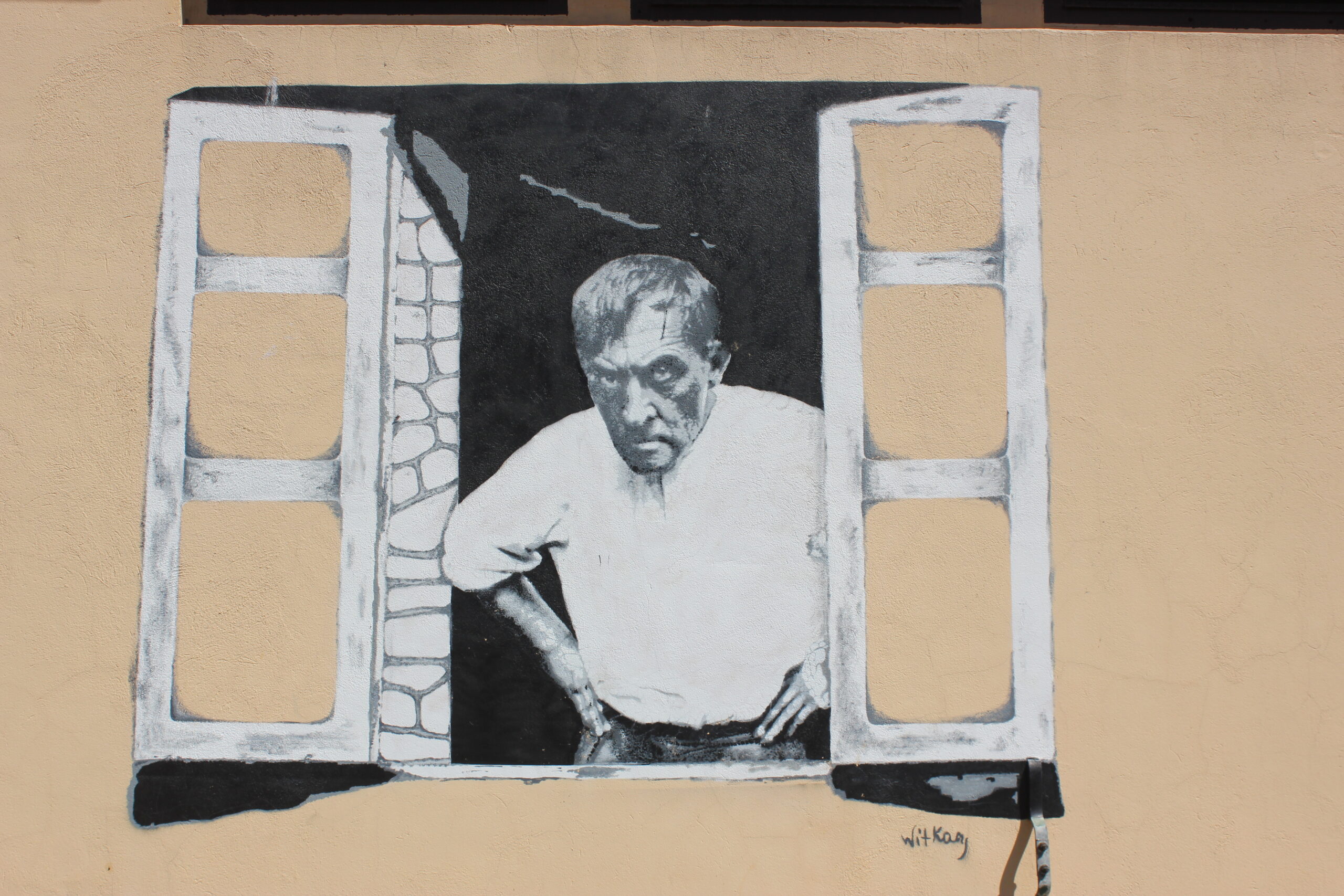
The Street of Crocodiles, Bruno Schulz, 1934
Known for his poetry-like prose and linguistic experimentation, Schulz is widely considered to be among the great 20th-century masters of the Polish language. A high school art teacher in Drohobycz (present-day Drohobych, Ukraine), he was also known as a visual artist and illustrator (he also designed the iconic cover art for Gombrowicz’s Ferdydurke, the next book on this list).
In the 19th century, oil was discovered in Drohobycz, which led to an economic boom. Schulz’s family owned a textile shop. His magical realist short stories in The Street of Crocodiles depict the lives of Drohobycz’s inhabitants, easily incorporating the surreal into the very mundane.
In “The Sanatorium Under the Hourglass”, for instance, a young man named Józef visits his father in a sanatorium where time literally moves more slowly than elsewhere: although his father is dead at home, he has not yet died at the sanatorium.
In “The Cinnamon Shops,” a young man goes with his parents to the theatre. When his father realises that he has forgotten his wallet, he sends the boy home. This ordinary errand quickly turns into a dreamlike nocturnal escapade during which a sentient horse leads the protagonist into a forest filled with magical sights and aromas.
In 1942 Schulz, a Jew, was shot by a Gestapo officer when walking from the “Aryan” section of Drohobycz back to the ghetto. Read More…