Home Upload Photo Upload Videos Write a Blog Analytics Messaging Streaming Create Adverts Creators Program
Bebuzee Afghanistan Bebuzee Albania Bebuzee Algeria Bebuzee Andorra Bebuzee Angola Bebuzee Antigua and Barbuda Bebuzee Argentina Bebuzee Armenia Bebuzee Australia Bebuzee Austria Bebuzee Azerbaijan Bebuzee Bahamas Bebuzee Bahrain Bebuzee Bangladesh Bebuzee Barbados Bebuzee Belarus Bebuzee Belgium Bebuzee Belize Bebuzee Benin Bebuzee Bhutan Bebuzee Bolivia Bebuzee Bosnia and Herzegovina Bebuzee Botswana Bebuzee Brazil Bebuzee Brunei Bebuzee Bulgaria Bebuzee Burkina Faso Bebuzee Burundi Bebuzee Cabo Verde Bebuzee Cambodia Bebuzee Cameroon Bebuzee Canada Bebuzee Central African Republic Bebuzee Chad Bebuzee Chile Bebuzee China Bebuzee Colombia Bebuzee Comoros Bebuzee Costa Rica Bebuzee Côte d'Ivoire Bebuzee Croatia Bebuzee Cuba Bebuzee Cyprus Bebuzee Czech Republic Bebuzee Democratic Republic of the Congo Bebuzee Denmark Bebuzee Djibouti Bebuzee Dominica Bebuzee Dominican Republic Bebuzee Ecuador Bebuzee Egypt Bebuzee El Salvador Bebuzee Equatorial Guinea Bebuzee Eritrea Bebuzee Estonia Bebuzee Eswatini Bebuzee Ethiopia Bebuzee Fiji Bebuzee Finland Bebuzee France Bebuzee Gabon Bebuzee Gambia Bebuzee Georgia Bebuzee Germany Bebuzee Ghana Bebuzee Greece Bebuzee Grenada Bebuzee Guatemala Bebuzee Guinea Bebuzee Guinea-Bissau Bebuzee Guyana Bebuzee Haiti Bebuzee Honduras Bebuzee Hong Kong Bebuzee Hungary Bebuzee Iceland Bebuzee India Bebuzee Indonesia Bebuzee Iran Bebuzee Iraq Bebuzee Ireland Bebuzee Israel Bebuzee Italy Bebuzee Jamaica Bebuzee Japan Bebuzee Jordan Bebuzee Kazakhstan Bebuzee Kenya Bebuzee Kiribati Bebuzee Kuwait Bebuzee Kyrgyzstan Bebuzee Laos Bebuzee Latvia Bebuzee Lebanon Bebuzee Lesotho Bebuzee Liberia Bebuzee Libya Bebuzee Liechtenstein Bebuzee Lithuania Bebuzee Luxembourg Bebuzee Madagascar Bebuzee Malawi Bebuzee Malaysia Bebuzee Maldives Bebuzee Mali Bebuzee Malta Bebuzee Marshall Islands Bebuzee Mauritania Bebuzee Mauritius Bebuzee Mexico Bebuzee Micronesia Bebuzee Moldova Bebuzee Monaco Bebuzee Mongolia Bebuzee Montenegro Bebuzee Morocco Bebuzee Mozambique Bebuzee Myanmar Bebuzee Namibia Bebuzee Nauru Bebuzee Nepal Bebuzee Netherlands Bebuzee New Zealand Bebuzee Nicaragua Bebuzee Niger Bebuzee Nigeria Bebuzee North Korea Bebuzee North Macedonia Bebuzee Norway Bebuzee Oman Bebuzee Pakistan Bebuzee Palau Bebuzee Panama Bebuzee Papua New Guinea Bebuzee Paraguay Bebuzee Peru Bebuzee Philippines Bebuzee Poland Bebuzee Portugal Bebuzee Qatar Bebuzee Republic of the Congo Bebuzee Romania Bebuzee Russia Bebuzee Rwanda Bebuzee Saint Kitts and Nevis Bebuzee Saint Lucia Bebuzee Saint Vincent and the Grenadines Bebuzee Samoa Bebuzee San Marino Bebuzee São Tomé and Príncipe Bebuzee Saudi Arabia Bebuzee Senegal Bebuzee Serbia Bebuzee Seychelles Bebuzee Sierra Leone Bebuzee Singapore Bebuzee Slovakia Bebuzee Slovenia Bebuzee Solomon Islands Bebuzee Somalia Bebuzee South Africa Bebuzee South Korea Bebuzee South Sudan Bebuzee Spain Bebuzee Sri Lanka Bebuzee Sudan Bebuzee Suriname Bebuzee Sweden Bebuzee Switzerland Bebuzee Syria Bebuzee Taiwan Bebuzee Tajikistan Bebuzee Tanzania Bebuzee Thailand Bebuzee Timor-Leste Bebuzee Togo Bebuzee Tonga Bebuzee Trinidad and Tobago Bebuzee Tunisia Bebuzee Turkey Bebuzee Turkmenistan Bebuzee Tuvalu Bebuzee Uganda Bebuzee Ukraine Bebuzee United Arab Emirates Bebuzee United Kingdom Bebuzee Uruguay Bebuzee Uzbekistan Bebuzee Vanuatu Bebuzee Venezuela Bebuzee Vietnam Bebuzee World Wide Bebuzee Yemen Bebuzee Zambia Bebuzee Zimbabwe
Blog Image

Not just for Christmas: Study sheds new light on ancient human-turkey relationship

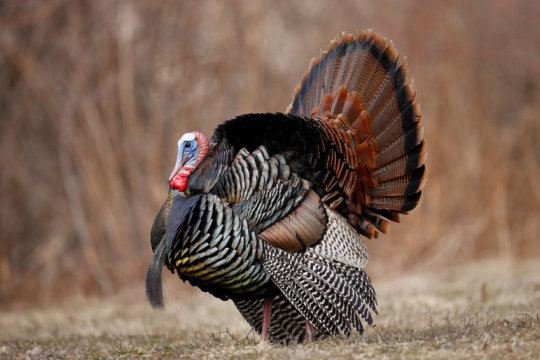
Wild turkey. Credit: © Paul / Fotolia

For the first time, research has uncovered the origins of the earliest domestic turkeys in ancient Mexico.

The study also suggests turkeys weren't only prized for their meat -- with demand for the birds soaring with the Mayans and Aztecs because of their cultural significance in rituals and sacrifices.

In an international collaboration, researchers from the University of York, the Institute of Anthropology and History in Mexico, Washington State University and Simon Fraser University, studied the remains of 55 turkeys which lived between 300BC and 1500 AD and had been discovered in Mesoamerica- an area stretching from central Mexico to Northern Costa Rica within which pre-Columbian societies such as the Mayans and Aztecs flourished.

Analysing the ancient DNA of the birds, the researchers were able to confirm that modern European turkeys are descended from Mexican ancestors.

The team also measured the carbon isotope ratios in the turkey bones to reconstruct their diets. They found that the turkeys were gobbling crops cultivated by humans such as corn in increasing amounts, particularly in the centuries leading up to Spanish exploration, implying more intensive farming of the birds.

Interestingly, the gradual intensification of turkey farming does not directly correlate to an increase in human population size, a link you would expect to see if turkeys were reared simply as a source of nutrition.

Lead author of the paper and Marie Sk?odowska-Curie Fellow in the Department of Archaeology at the University of York, Dr Aurélie Manin, said: "Turkey bones are rarely found in domestic refuse in Mesoamerica and most of the turkeys we studied had not been eaten -- some were found buried in temples and human graves, perhaps as companions for the afterlife. This fits with what we know about the iconography of the period, where we see turkeys depicted as gods and appearing as symbols in the calendar.

"The archaeological evidence suggests that meat from deer and rabbit was a more popular meal choice for people in pre-Columbian societies; turkeys are likely to have also been kept for their increasingly important symbolic and cultural role."

The fact that some of the turkey bones were uncovered outside of the natural range of the species also suggests that there was a thriving turkey trade in live birds along Mesoamerica's expanding trade routes.

Senior author of the paper from the Department of Archaeology at the University of York, Dr Camilla Speller, said: "Even though humans in this part of the word had been practicing agriculture for around 10,000 years, the turkey was the first animal, other than the dog, people in Mesoamerica started to take under their control.

"Turkeys would have made a good choice for domestication as there were not many other animals of suitable temperament available and turkeys would have been drawn to human settlements searching for scraps"

Some of the remains the researchers analysed were from a cousin of the common turkey -- the brightly plumed Ocellated turkey. In a strange twist the researchers found that the diets of these more ornate birds remained largely composed of wild plants and insects, suggesting that they were left to roam free and never domesticated.

"Why two biologically very similar species living in the same area were treated so differently remains a mystery," added Dr Speller.


Previous Post

A 'touching sight': How babies' brains process touch builds foundations for learning

Next Post

The creative brain is wired differently

Comments