Home Upload Photo Upload Videos Write a Blog Analytics Messaging Streaming Create Adverts Creators Program
Bebuzee Afghanistan Bebuzee Albania Bebuzee Algeria Bebuzee Andorra Bebuzee Angola Bebuzee Antigua and Barbuda Bebuzee Argentina Bebuzee Armenia Bebuzee Australia Bebuzee Austria Bebuzee Azerbaijan Bebuzee Bahamas Bebuzee Bahrain Bebuzee Bangladesh Bebuzee Barbados Bebuzee Belarus Bebuzee Belgium Bebuzee Belize Bebuzee Benin Bebuzee Bhutan Bebuzee Bolivia Bebuzee Bosnia and Herzegovina Bebuzee Botswana Bebuzee Brazil Bebuzee Brunei Bebuzee Bulgaria Bebuzee Burkina Faso Bebuzee Burundi Bebuzee Cabo Verde Bebuzee Cambodia Bebuzee Cameroon Bebuzee Canada Bebuzee Central African Republic Bebuzee Chad Bebuzee Chile Bebuzee China Bebuzee Colombia Bebuzee Comoros Bebuzee Costa Rica Bebuzee Côte d'Ivoire Bebuzee Croatia Bebuzee Cuba Bebuzee Cyprus Bebuzee Czech Republic Bebuzee Democratic Republic of the Congo Bebuzee Denmark Bebuzee Djibouti Bebuzee Dominica Bebuzee Dominican Republic Bebuzee Ecuador Bebuzee Egypt Bebuzee El Salvador Bebuzee Equatorial Guinea Bebuzee Eritrea Bebuzee Estonia Bebuzee Eswatini Bebuzee Ethiopia Bebuzee Fiji Bebuzee Finland Bebuzee France Bebuzee Gabon Bebuzee Gambia Bebuzee Georgia Bebuzee Germany Bebuzee Ghana Bebuzee Greece Bebuzee Grenada Bebuzee Guatemala Bebuzee Guinea Bebuzee Guinea-Bissau Bebuzee Guyana Bebuzee Haiti Bebuzee Honduras Bebuzee Hong Kong Bebuzee Hungary Bebuzee Iceland Bebuzee India Bebuzee Indonesia Bebuzee Iran Bebuzee Iraq Bebuzee Ireland Bebuzee Israel Bebuzee Italy Bebuzee Jamaica Bebuzee Japan Bebuzee Jordan Bebuzee Kazakhstan Bebuzee Kenya Bebuzee Kiribati Bebuzee Kuwait Bebuzee Kyrgyzstan Bebuzee Laos Bebuzee Latvia Bebuzee Lebanon Bebuzee Lesotho Bebuzee Liberia Bebuzee Libya Bebuzee Liechtenstein Bebuzee Lithuania Bebuzee Luxembourg Bebuzee Madagascar Bebuzee Malawi Bebuzee Malaysia Bebuzee Maldives Bebuzee Mali Bebuzee Malta Bebuzee Marshall Islands Bebuzee Mauritania Bebuzee Mauritius Bebuzee Mexico Bebuzee Micronesia Bebuzee Moldova Bebuzee Monaco Bebuzee Mongolia Bebuzee Montenegro Bebuzee Morocco Bebuzee Mozambique Bebuzee Myanmar Bebuzee Namibia Bebuzee Nauru Bebuzee Nepal Bebuzee Netherlands Bebuzee New Zealand Bebuzee Nicaragua Bebuzee Niger Bebuzee Nigeria Bebuzee North Korea Bebuzee North Macedonia Bebuzee Norway Bebuzee Oman Bebuzee Pakistan Bebuzee Palau Bebuzee Panama Bebuzee Papua New Guinea Bebuzee Paraguay Bebuzee Peru Bebuzee Philippines Bebuzee Poland Bebuzee Portugal Bebuzee Qatar Bebuzee Republic of the Congo Bebuzee Romania Bebuzee Russia Bebuzee Rwanda Bebuzee Saint Kitts and Nevis Bebuzee Saint Lucia Bebuzee Saint Vincent and the Grenadines Bebuzee Samoa Bebuzee San Marino Bebuzee São Tomé and Príncipe Bebuzee Saudi Arabia Bebuzee Senegal Bebuzee Serbia Bebuzee Seychelles Bebuzee Sierra Leone Bebuzee Singapore Bebuzee Slovakia Bebuzee Slovenia Bebuzee Solomon Islands Bebuzee Somalia Bebuzee South Africa Bebuzee South Korea Bebuzee South Sudan Bebuzee Spain Bebuzee Sri Lanka Bebuzee Sudan Bebuzee Suriname Bebuzee Sweden Bebuzee Switzerland Bebuzee Syria Bebuzee Taiwan Bebuzee Tajikistan Bebuzee Tanzania Bebuzee Thailand Bebuzee Timor-Leste Bebuzee Togo Bebuzee Tonga Bebuzee Trinidad and Tobago Bebuzee Tunisia Bebuzee Turkey Bebuzee Turkmenistan Bebuzee Tuvalu Bebuzee Uganda Bebuzee Ukraine Bebuzee United Arab Emirates Bebuzee United Kingdom Bebuzee Uruguay Bebuzee Uzbekistan Bebuzee Vanuatu Bebuzee Venezuela Bebuzee Vietnam Bebuzee World Wide Bebuzee Yemen Bebuzee Zambia Bebuzee Zimbabwe
Blog Image

Novel news: world's biggest bookworms revealed in study

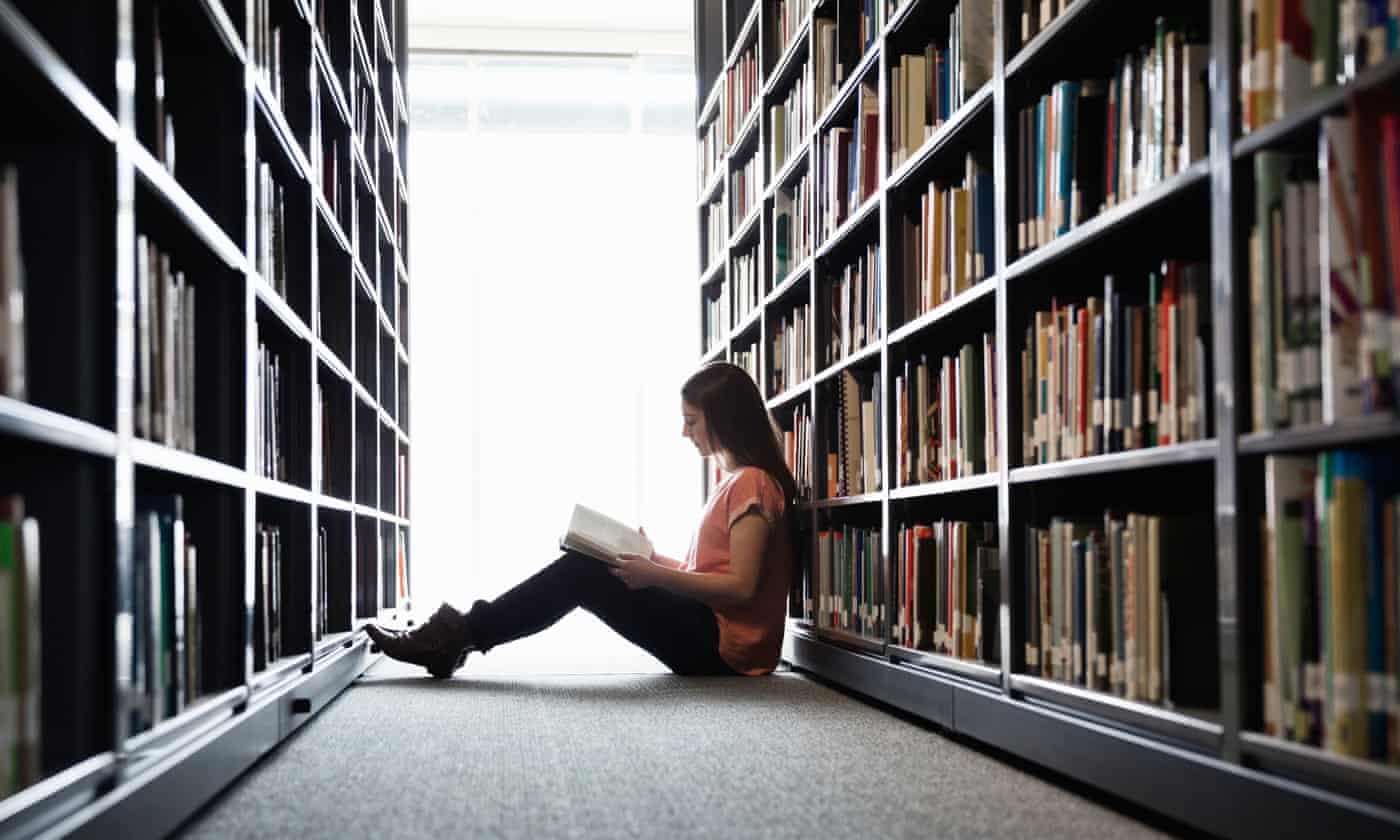
Having more books growing up, even if you don’t necessarily read more, improves educational outcomes, according to researchers. Posed by model. Photograph: Alamy Stock Photo

Do you have more books than an Estonian teenager?

If you live in an English-speaking country, the answer is probably no.

A new study from researchers at the Australian National University and University of Nevada in the US has revealed which countries are the world’s biggest bookworms – and discovered that having more books growing up, even if you don’t necessarily read more, improves educational outcomes.

In fact, adults with university degrees, but who grew up with fewer books, had the same level of literacy as those who left school in year 9, but who had a lot of household books as a teen.

The study, published in the journal Social Science Research, found the number of household books at age 16 had a direct positive relationship with literacy, numeracy and IT skill in later years – independent of how much tertiary study a person did, or how often they read as an adult.

On average Australians owned 148 books per house, but the largest chunk of respondents (35%) had only 65. Estonians, who lead the world, averaged 218, and 35% owned 350 books or more.

Norway (212), Sweden (210) and the Czech Republic (204) also beat English-speaking countries like the UK (143) and the US (114). Turkey had the lowest average (27), with 60% of households saying they had only five books.

Lead author, Dr Joanna Sikora from the ANU, said adolescent exposure to books laid the foundations for a “scholarly culture” that gave people life-long improvements in education, regardless of social advantage or disadvantage.

The benefit of books was consistent across the world, and independent of a person’s education level, their job as an adult, sex, age or the education level of their parents.

Looking just at Australian data, where researchers had more detail, they even found the same trend when controlling for wealth, IQ and school grades.

“No matter what we controlled for, we always got this advantage of growing up around books,” Sikora said.

Previous studies have found a relationship between reading for fun and education outcomes, and between growing up with books and earning more as an adult, but this study found a stronger link across more countries, and for longer into adulthood.

Researchers surveyed adults across 31 countries, between the ages of 25 and 65, and asked them how many books they had in their home when they were 16.

They found the positive impact was greatest for those with higher levels of disadvantage, meaning lower income families could narrow the education gap by exposing their children to more books in the house.

“Literacy-wise, bookish adolescence makes up for a good deal of educational advantage,” the report said.

Sikora said they were surprised to see that household books led to improvements even in maths and IT skills.

“The tendency is to think that this is a different skill. You either are a words person or a numbers person. But if this data is telling us anything, it’s that this is not the case at all. We didn’t expect that.

“It is not just: if you read books as a kid, you are good at reading books later on. You are actually good at literacy in a completely different environment, the digital environment.”

However, Sikora stressed that it was not the act of reading specifically that brought benefits.

“It’s very difficult to put a finger on it and say ‘just do a lot of reading’. There is more to it. It is a whole complex around books and reading. It’s important for young children to see their parents and other people surrounding themselves with books.”

Previous Post

Ofsted inspectors to stop using exam results as key mark of success

Next Post

Frontline training scheme poses a threat to social work education

Comments