Home Upload Photo Upload Videos Write a Blog Analytics Messaging Streaming Create Adverts Creators Program
Bebuzee Afghanistan Bebuzee Albania Bebuzee Algeria Bebuzee Andorra Bebuzee Angola Bebuzee Antigua and Barbuda Bebuzee Argentina Bebuzee Armenia Bebuzee Australia Bebuzee Austria Bebuzee Azerbaijan Bebuzee Bahamas Bebuzee Bahrain Bebuzee Bangladesh Bebuzee Barbados Bebuzee Belarus Bebuzee Belgium Bebuzee Belize Bebuzee Benin Bebuzee Bhutan Bebuzee Bolivia Bebuzee Bosnia and Herzegovina Bebuzee Botswana Bebuzee Brazil Bebuzee Brunei Bebuzee Bulgaria Bebuzee Burkina Faso Bebuzee Burundi Bebuzee Cabo Verde Bebuzee Cambodia Bebuzee Cameroon Bebuzee Canada Bebuzee Central African Republic Bebuzee Chad Bebuzee Chile Bebuzee China Bebuzee Colombia Bebuzee Comoros Bebuzee Costa Rica Bebuzee Côte d'Ivoire Bebuzee Croatia Bebuzee Cuba Bebuzee Cyprus Bebuzee Czech Republic Bebuzee Democratic Republic of the Congo Bebuzee Denmark Bebuzee Djibouti Bebuzee Dominica Bebuzee Dominican Republic Bebuzee Ecuador Bebuzee Egypt Bebuzee El Salvador Bebuzee Equatorial Guinea Bebuzee Eritrea Bebuzee Estonia Bebuzee Eswatini Bebuzee Ethiopia Bebuzee Fiji Bebuzee Finland Bebuzee France Bebuzee Gabon Bebuzee Gambia Bebuzee Georgia Bebuzee Germany Bebuzee Ghana Bebuzee Greece Bebuzee Grenada Bebuzee Guatemala Bebuzee Guinea Bebuzee Guinea-Bissau Bebuzee Guyana Bebuzee Haiti Bebuzee Honduras Bebuzee Hong Kong Bebuzee Hungary Bebuzee Iceland Bebuzee India Bebuzee Indonesia Bebuzee Iran Bebuzee Iraq Bebuzee Ireland Bebuzee Israel Bebuzee Italy Bebuzee Jamaica Bebuzee Japan Bebuzee Jordan Bebuzee Kazakhstan Bebuzee Kenya Bebuzee Kiribati Bebuzee Kuwait Bebuzee Kyrgyzstan Bebuzee Laos Bebuzee Latvia Bebuzee Lebanon Bebuzee Lesotho Bebuzee Liberia Bebuzee Libya Bebuzee Liechtenstein Bebuzee Lithuania Bebuzee Luxembourg Bebuzee Madagascar Bebuzee Malawi Bebuzee Malaysia Bebuzee Maldives Bebuzee Mali Bebuzee Malta Bebuzee Marshall Islands Bebuzee Mauritania Bebuzee Mauritius Bebuzee Mexico Bebuzee Micronesia Bebuzee Moldova Bebuzee Monaco Bebuzee Mongolia Bebuzee Montenegro Bebuzee Morocco Bebuzee Mozambique Bebuzee Myanmar Bebuzee Namibia Bebuzee Nauru Bebuzee Nepal Bebuzee Netherlands Bebuzee New Zealand Bebuzee Nicaragua Bebuzee Niger Bebuzee Nigeria Bebuzee North Korea Bebuzee North Macedonia Bebuzee Norway Bebuzee Oman Bebuzee Pakistan Bebuzee Palau Bebuzee Panama Bebuzee Papua New Guinea Bebuzee Paraguay Bebuzee Peru Bebuzee Philippines Bebuzee Poland Bebuzee Portugal Bebuzee Qatar Bebuzee Republic of the Congo Bebuzee Romania Bebuzee Russia Bebuzee Rwanda Bebuzee Saint Kitts and Nevis Bebuzee Saint Lucia Bebuzee Saint Vincent and the Grenadines Bebuzee Samoa Bebuzee San Marino Bebuzee São Tomé and Príncipe Bebuzee Saudi Arabia Bebuzee Senegal Bebuzee Serbia Bebuzee Seychelles Bebuzee Sierra Leone Bebuzee Singapore Bebuzee Slovakia Bebuzee Slovenia Bebuzee Solomon Islands Bebuzee Somalia Bebuzee South Africa Bebuzee South Korea Bebuzee South Sudan Bebuzee Spain Bebuzee Sri Lanka Bebuzee Sudan Bebuzee Suriname Bebuzee Sweden Bebuzee Switzerland Bebuzee Syria Bebuzee Taiwan Bebuzee Tajikistan Bebuzee Tanzania Bebuzee Thailand Bebuzee Timor-Leste Bebuzee Togo Bebuzee Tonga Bebuzee Trinidad and Tobago Bebuzee Tunisia Bebuzee Turkey Bebuzee Turkmenistan Bebuzee Tuvalu Bebuzee Uganda Bebuzee Ukraine Bebuzee United Arab Emirates Bebuzee United Kingdom Bebuzee Uruguay Bebuzee Uzbekistan Bebuzee Vanuatu Bebuzee Venezuela Bebuzee Vietnam Bebuzee World Wide Bebuzee Yemen Bebuzee Zambia Bebuzee Zimbabwe
Blog Image

Novel way to turn semi-finished thin-film solar modules into colored BIPV panels

German scientists have developed a way to cut semi-fabricates into desired shapes and then apply a conductive oxide-metal-oxide electrode with the preferred color. They can structure the elements into modules via the backend interconnection process.

A group of scientists in Germany has come up with a new way to refine conventional thin-film panels into building-integrated (BIPV) products. They claim that their approach can reduce production costs, while ensuring supply chain flexibility.

“This approach can not only reduce costs, but also opens up the possibility of separating the production process into the manufacture of semi-finished PV products and their refinement into colored BIPV modules,” they said. “For example, semi-finished PV panels could be produced in Asia and the refinement can be done locally in Europe.”

The proposed technique consists of cutting the semi-fabricates into desired shapes and then applying a conductive oxide-metal-oxide (OMO) electrode with the requested color. The elements are then structured into modules via the backend interconnection process.

“All materials and methods, including sputtered aluminum oxide and silver layers, are widely available in the industry and are part of other products which are mass-produced, like climate glass for windows,” researcher Nils Neugebohrn told pv magazine.

The group developed a prototype to cut or separate thin-film PV semi-fabricates into custom shapes and sizes. They used OMO electrodes measuring 30 cm × 30 cm, based on aluminum-doped zinc oxide (AZO), and applied them onto semi-finished 30 cm × 30 cm copper, indium, gallium and selenide (CIGS) circuits. The pre-lamination modules have an efficiency of up to 19%.

“The modules were structured with P1 and P2 lines and had a reduced AZO front contact thickness of only 200 nm,” the group explained. “The front contact was not removed completely in order to keep the optimized and stable absorber/buffer/front contact interfaces and to avoid degradation of the samples during transport.”

he proposed manufacturing process, after the deposition of the OMO electrode, also requires P3 structuring, edge deletion, and a lamination technique developed by German CIGS specialist Avancis. For the backend interconnection process, the scientists used amorphous silicon thin-film solar cells and transparent conductive oxide (TCO) coated glass, supplied by Japanese manufacturer Asahi Glass.

“An amorphous p-i-n silicon layer stack (a-Si:H) with a total thickness of about 300 nm was deposited by Plasma Enhanced Chemical Vapour Deposition (PECVD) on top of the front contact TCO,” the group said.

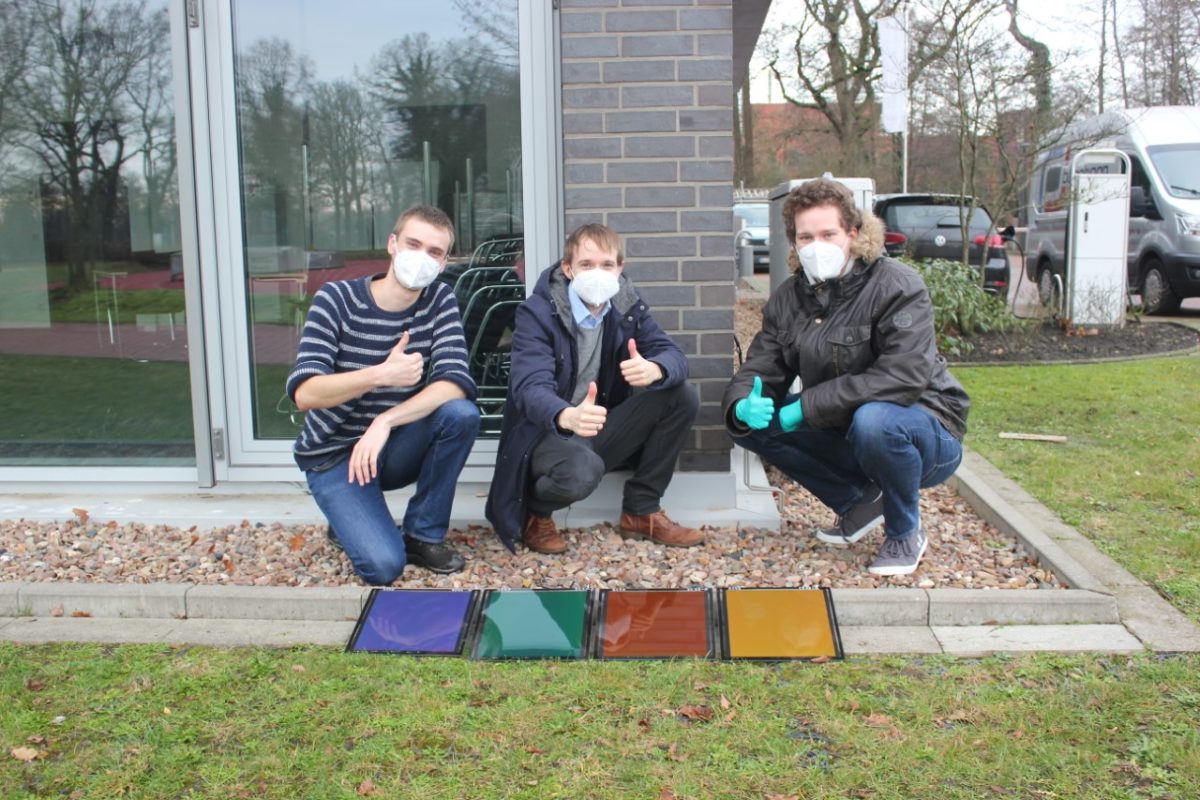
The researchers said they were able to produce colored modules in red, green and blue with 1% absolute less efficiency than a reference module. Read More...


Previous Post

Time to focus on science and research

Next Post

Taiwan-backed project reveals first image of black hole in Milky Way

Comments