Nursing strike could threaten health, life of patients in Finland, warn chief medical officers
-
 Loading...
 - Claire Lavigne
- 31 Mar 2022
- 347 Views
- 0 Like
- 0 Comment
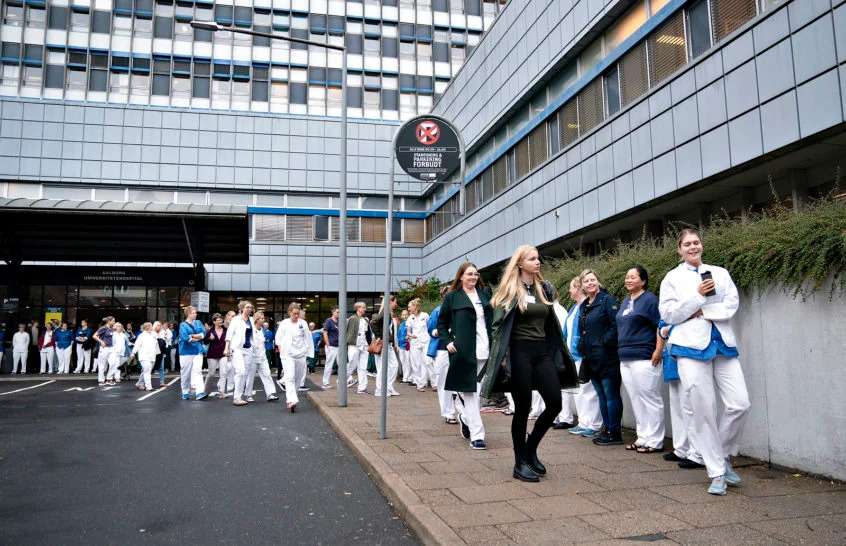
LARGE HOSPITAL DISTRICTS in Finland have expressed their concern about the consequences of the looming nursing strike on the health and lives of patients.
Trade unions yesterday rejected a settlement proposal submitted by the national conciliator, guaranteeing that some 25,000 healthcare professionals, such as nurses, practical nurses and radiology nurses, will go on strike in six hospital districts across Finland on Friday.
The strike will affect the hospital districts of Helsinki and Uusimaa (HUS), Pirkanmaa, Central Finland, North Savo, North Ostrobothnia and Southwest Finland.
The proposed terms and conditions of employment would have applied to a total of 420,000 municipal-sector employees, including nurses, physicians, social care personnel, teachers and educators.
The chief medical officers of six large hospital districts responded to the news in a joint statement, saying the extent of so-called protected work – that is, work that must be carried out also during industrial action not to jeopardise the health or lives of citizens – agreed on by the employee and employer organisations is insufficient.
“The organisations have pledged that urgent care is safeguarded. Judging by the extent of protected work offered, that is inaccurate,” Markku Mäkijärvi, the chief medical officer at the Hospital District of Helsinki and Uusimaa (HUS), said to YLE on Wednesday.
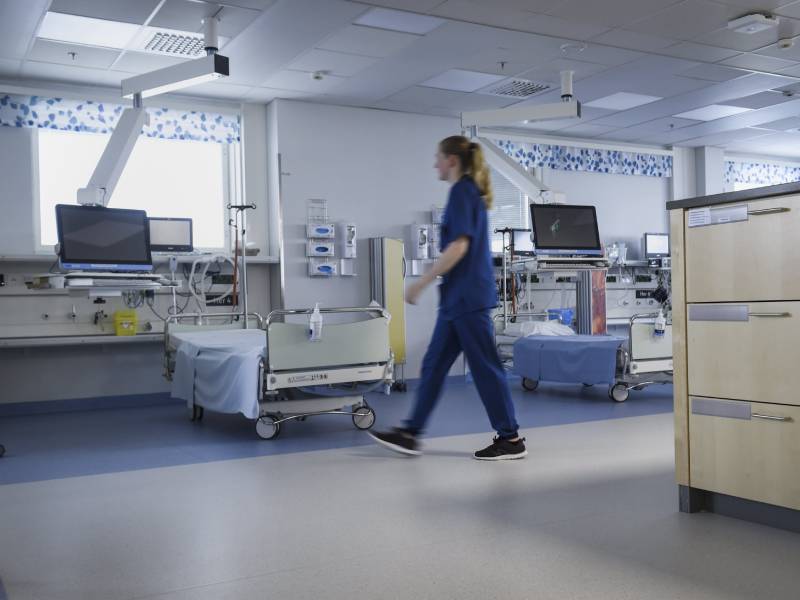
He and his colleagues estimated that the strike is jeopardising the administration of urgent care by threatening care at both emergency units and inpatient units supporting emergency care.
The amount of staff committed to emergency duties is 40 per cent lower than usual, according to Mäkijärvi.
“That isn’t enough. You can’t reduce emergency operations. You never know who’s in mortal danger and that’s why emergency operations have to be covered fully by protected work,” he underscored.
The chief medical officers said they provided the trade unions exact estimates of the number of personnel required to safeguard critical health care functions, but the expert estimates were disregarded, at worst endangering the health and lives of patients.
The strike will assuredly delay all non-urgent appointments and surgeries.
Wages have been the main bone of contention in the labour dispute. The Union of Health and Social Care Professionals (Tehy) and Finnish Union of Practical Nurses (Super) have demanded that the wages of social and health care workers be raised by 3.6 per cent a year over the next five years in addition to regular raises. Their demands were dismissed as too expensive by Local and County Government Employers (KT).
“The settlement proposal is completely useless,” lamented Silja Paavola, the chairperson of Super.
“If you want to have a public social and health care system in this country also in the future, political decision-makers have to step in. Politicians are avoiding and skirting the issue, but social and health care services, their funding and especially their future are ultimately their responsibility.”
Millariikka Rytkönen, the chairperson at Tehy, stated to the public broadcasting company that she was sad and angry reading the settlement proposal. Read More...